
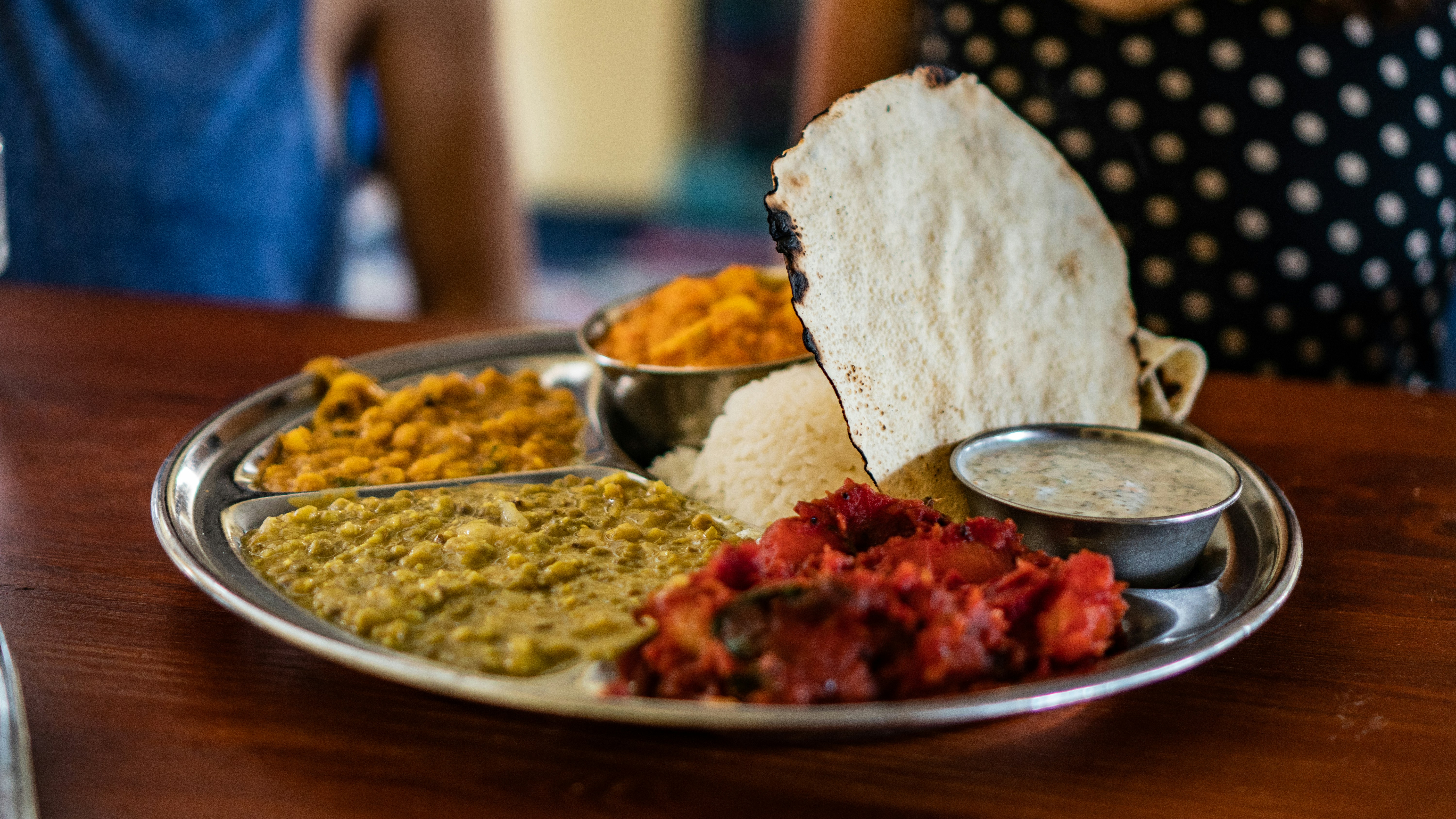

The American culinary landscape has undergone a remarkable transformation over the past few decades, with Indian cuisine playing an increasingly influential role in shaping dining trends nationwide. From the bustling streets of New York City to the vibrant food scenes in California and Texas, Indian flavors, cooking techniques, and culinary philosophies have become integral to American dining culture. This evolution represents more than just a passing trend; it signifies a fundamental shift in how Americans perceive and embrace global flavors.
The influence of Indian cuisine extends far beyond traditional curry houses and tandoori restaurants. Today's American diners are experiencing Indian flavors through innovative fusion concepts, spice-forward dishes in mainstream establishments, and plant-based options that draw heavily from India's rich vegetarian traditions. This cultural culinary exchange has created exciting opportunities for both established restaurants and emerging food entrepreneurs within Indian-American communities.

Welcome to United Tribes
Where Indian Culture Comes Alive
Join Your Tribe
Connect with your people
Discover Events
Watch parties & festivals
Find Indian Businesses
Restaurants, markets & more
Earn Crown Credits
Get rewarded for engaging
The Rise of Indian Flavors in Mainstream American Restaurants
American restaurants are increasingly incorporating Indian spices, cooking methods, and flavor profiles into their menus, thereby bridging traditional Indian cooking and contemporary American dining preferences. This integration has manifested in numerous ways, from Indian food trends appearing in upscale dining establishments to casual eateries embracing bold Indian seasonings.
Prominent American chefs have begun experimenting with traditional Indian spices like turmeric, cumin, coriander, and garam masala, incorporating these aromatic elements into familiar American dishes. Steakhouses now offer tandoori-spiced meats, while burger joints experiment with curry-infused sauces and chutneys as condiments. Pizza restaurants have introduced Indian-inspired toppings, featuring paneer, tikka-style chicken, and cilantro-mint chutneys that appeal to adventurous diners seeking new flavor experiences.
The influence of the spice trade extends to beverage programs, with bartenders creating cocktails featuring cardamom, saffron, and other traditional Indian aromatics. These innovations demonstrate how Indian culinary traditions continue to inspire creativity across various dining segments throughout the United States.
Fusion Indian Dishes Reshaping American Menus
Fusion Indian dishes have become a driving force in contemporary American dining, representing a creative synthesis of Indian cooking techniques with American ingredients and presentation styles. These innovative combinations have gained considerable popularity among diners seeking familiar comfort foods with novel flavor dimensions.
Indo-American Breakfast and Brunch Innovations
American breakfast culture has incorporated Indian influences through dishes such as masala scrambled eggs, turmeric lattes, and Indian-spiced French toast. Brunch restaurants across major metropolitan areas now feature dosas served with maple syrup, uttapam topped with American vegetables, and chai-infused pancakes that blend traditional Indian beverages with classic American breakfast staples.
Contemporary Indian-American Dinner Concepts
Evening dining has seen equally creative interpretations, with restaurants offering Indian-spiced mac and cheese, tandoori salmon, and curry-influenced risottos. These dishes maintain the comfort-food appeal that American diners love while introducing the complex spice profiles and cooking techniques that make Indian cuisine distinctive.
The success of these Indian vegetarian recipes has particularly influenced American plant-based dining, as restaurants have discovered the remarkable variety and flavor complexity of Indian vegetarian cooking traditions.
Street Food Culture and American Food Trucks
The American food truck revolution has provided an ideal platform for Indian street food to gain mainstream recognition and influence broader food trends. Indian cuisine has found new expression through mobile vendors who bring authentic street-food experiences directly to American consumers, often adapting traditional recipes to local tastes and dietary preferences.
Food trucks specializing in Indian street food have introduced Americans to dishes such as pav bhaji, vada pav, and various chaat preparations, often adapting their presentation and spiciness to accommodate diverse palates. These mobile establishments have become cultural ambassadors, educating American diners about the remarkable diversity of Indian street food while creating new fusion concepts that blend Indian techniques with American ingredients.
The popularity of Indian food trucks has influenced brick-and-mortar restaurants to incorporate more casual, street-food-inspired concepts into their dining rooms. Fast-casual Indian restaurants now offer build-your-own bowl concepts featuring traditional Indian proteins, vegetables, and sauces, allowing diners to customize their meals according to personal preferences while experiencing authentic Indian flavors.
Many American food festivals now prominently feature Indian vendors, and the growing appreciation for Indian street food has encouraged more entrepreneurs to explore this dynamic culinary segment.
Plant-Based Dining and Indian Vegetarian Traditions
The American plant-based dining movement has drawn significant inspiration from India's extensive vegetarian culinary traditions, which offer thousands of years of innovation in creating satisfying, flavorful meals without meat. As more Americans embrace plant-based eating for health, environmental, and ethical reasons, Indian cuisine provides a sophisticated template for creating deeply satisfying vegetarian and vegan dishes.
Indian cooking techniques like tempering spices, slow-cooking lentils, and creating complex vegetable preparations have influenced how American chefs approach plant-based menu development. Restaurants across the country now feature dal-inspired lentil dishes, vegetable curries adapted for local ingredients, and grain bowls seasoned with traditional Indian spice blends.
The Indian concept of balancing flavors, textures, and nutritional components within vegetarian meals has particularly influenced health-conscious American dining establishments. Ayurvedic principles regarding food combinations and seasonal eating have gained traction among wellness-focused restaurants and consumers seeking holistic approaches to nutrition.
Regional American Adaptations of Indian Cuisine
Different regions across America have developed unique interpretations of Indian cuisine, reflecting local ingredients, cultural preferences, and existing food traditions. These regional variations demonstrate how Indian food trends adapt and evolve within diverse American contexts while maintaining their essential character and appeal.
Southern American Indian Fusion
The American South has embraced Indian flavors through dishes that combine regional Southern cooking techniques with Indian spices and seasonings. Restaurants feature Indian-spiced fried chicken, curry-influenced barbecue sauces, and Southern vegetables prepared with traditional Indian tempering techniques. Sweet tea infused with cardamom and other Indian spices has gained popularity, while cornbread enhanced with Indian spices offers familiar comfort with exotic flavors.
West Coast California Indian Innovations
California's health-conscious dining culture has particularly embraced Indian cuisine's vegetarian traditions and emphasis on fresh ingredients. Farm-to-table restaurants integrate Indian cooking methods with locally sourced California produce, creating seasonal, Indian-inspired menus that vary throughout the year. The state's wine regions have developed Indian food-and-wine pairing programs that introduce diners to new flavor combinations.
Northeast Urban Indian Integration
Major Northeast cities have developed sophisticated Indian dining scenes that influence broader culinary trends throughout the region. From New York's diverse Indian neighborhoods to Boston's innovative Indian restaurants, the Northeast has become a laboratory for Indian culinary innovation, where traditional recipes meet contemporary American dining expectations.
The Economic Impact of Indian Cuisine on the American Food Industry
The growing popularity of Indian cuisine has created significant economic opportunities within the American food industry, from restaurant ownership and franchise development to specialty ingredient suppliers and culinary education programs. Indian cuisine represents a multi-billion-dollar market segment that continues expanding as consumer interest grows.
Indian-American entrepreneurs have established successful restaurant chains, specialty food product companies, and catering businesses that serve both Indian-American communities and mainstream American consumers. The demand for authentic Indian ingredients has created opportunities for specialty grocery stores and online retailers, while cooking schools now offer classes focused on Indian cuisine techniques and traditions.
Food manufacturers have responded to increased consumer interest by developing Indian-inspired products for mainstream grocery stores, including frozen meals, sauce packets, and spice blends that allow home cooks to experiment with Indian flavors. This retail expansion has made Indian ingredients and preparations more accessible to American households.
Embracing India's Culinary Future in America
The influence of Indian cuisine on American dining trends represents a remarkable cultural exchange that continues to evolve and expand across the United States. From innovative fusion concepts that blend traditional Indian techniques with American ingredients to the growing appreciation for India's sophisticated vegetarian traditions, this culinary integration has enriched American food culture while creating new opportunities for cultural connection and understanding. The success of Indian restaurants, food trucks, and fusion concepts demonstrates how authentic cultural flavors can find mainstream acceptance while maintaining their essential character.
Visit United Tribes today to learn more about Indian culture and community, where you can discover authentic restaurants, upcoming cultural events, and connect with the vibrant Indian-American communities that continue to shape America's dynamic food landscape.


