
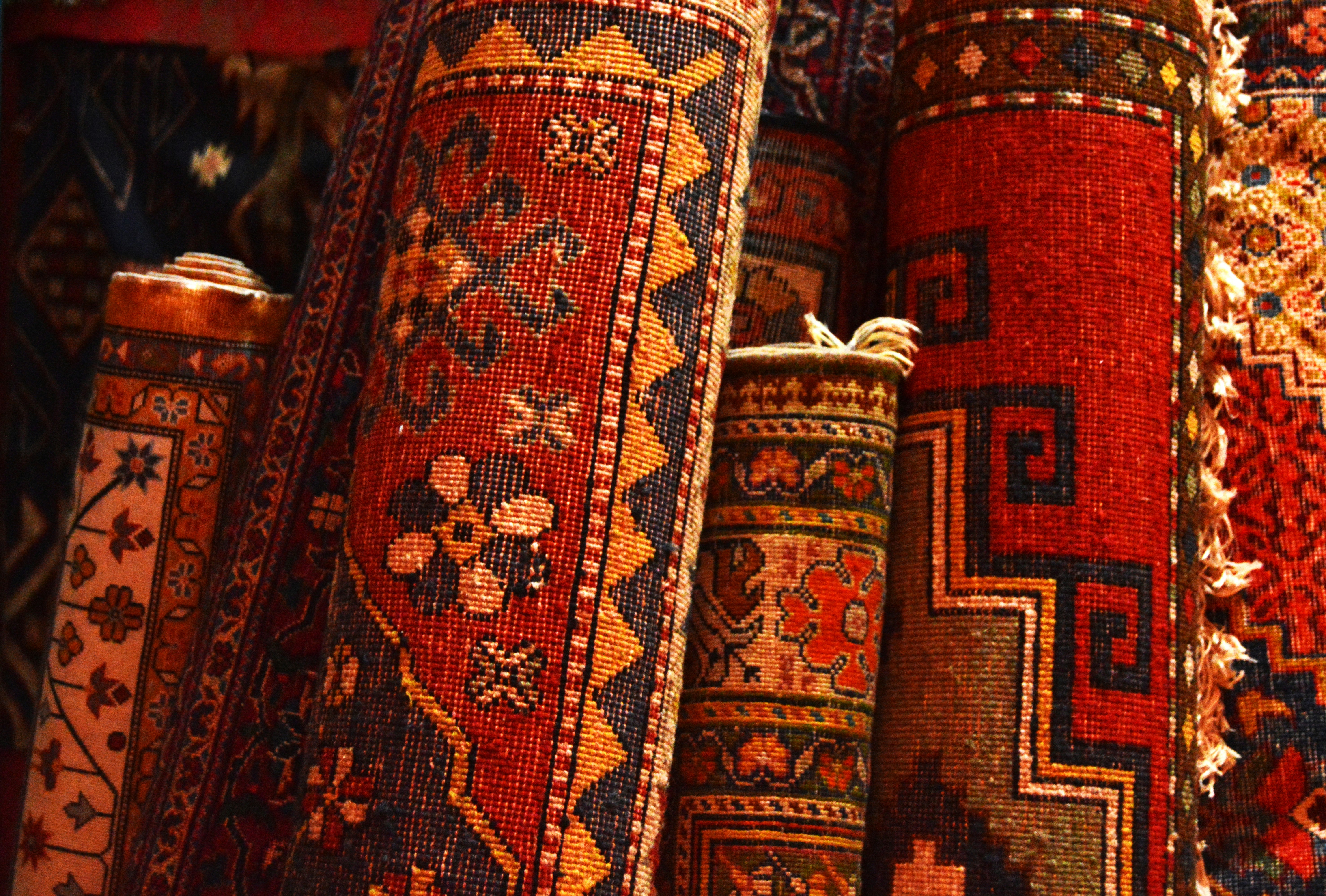

The growing appreciation for Iranian rugs in American homes reflects a broader cultural shift toward valuing craftsmanship, heritage, and meaningful design elements. Unlike mass-produced alternatives, Persian rugs carry stories woven through centuries of tradition, making them perfect focal points for spaces that celebrate both beauty and cultural significance. This influence extends beyond mere decoration, as these rugs are fundamentally changing how Americans conceptualize and create their living environments.
Historical Context and Cultural Heritage
Persian rug-making represents one of humanity's oldest and most sophisticated textile traditions, dating back over 2,500 years. The art form reached its pinnacle during the Safavid dynasty (1501-1736), when royal workshops produced masterpieces that would eventually influence global design aesthetics. These historical pieces established the foundation for patterns, techniques, and artistic principles that continue to shape interior design trends today.

Welcome to United Tribes
Where Persian Culture Comes Alive
Join Your Tribe
Connect with your people
Discover Events
Watch parties & festivals
Find Persian Businesses
Restaurants, markets & more
Earn Crown Credits
Get rewarded for engaging
Traditional Persian motifs such as the Shah Abbas palmette, hunting scenes, garden designs, and geometric patterns have found new life in contemporary American homes. The cultural significance embedded within these designs adds layers of meaning to modern interiors, as each pattern tells stories of Persian mythology, poetry, and spiritual beliefs. American designers increasingly appreciate this narrative quality, using Persian rugs not just as floor coverings but as conversation pieces that reflect the homeowner's appreciation for global artistry.
The migration of Persian artisans and rug merchants to the United States has further enriched this cultural exchange. These craftspeople bring authentic knowledge of traditional techniques while adapting their creations to suit American tastes and lifestyle needs. Their presence in American markets ensures that the Persian rug industry maintains its commitment to quality and authenticity while evolving with contemporary design trends.
Color Palettes Transforming Modern Spaces
Persian rugs are revolutionizing American color schemes through their sophisticated use of natural dyes and harmonious color combinations. Traditional Persian palettes featuring deep indigos, rich crimsons, warm saffron yellows, and emerald greens provide American designers with color stories that predate and transcend fleeting design trends. These time-tested combinations offer stability and elegance that complement both neutral modern aesthetics and bolder contemporary statements.
Modern American homes increasingly feature Persian rugs as anchor pieces that dictate entire room color schemes. Interior designers use these textiles to introduce complex color relationships that would be difficult to achieve through other design elements. The subtle gradations and masterful color transitions found in antique Persian pieces inspire paint choices, furniture selection, and accent pieces throughout American homes.
Contemporary interior design trends have embraced the Persian approach to color layering, where multiple hues work together to create depth and visual interest. This influence extends beyond residential design into commercial spaces, where Persian-inspired color palettes create welcoming, sophisticated environments that reflect cultural appreciation and design sophistication.
Pattern Integration in Contemporary Design
The geometric and floral patterns characteristic of Persian rugs have become fundamental elements in modern American design vocabulary. Tribal patterns from regions like Baluchistan and Kurdistan offer bold, graphic elements that complement minimalist interiors, while classical Isfahan and Tabriz designs provide intricate focal points for maximalist spaces. This versatility makes Persian patterns particularly valuable for American designers seeking authentic, meaningful design elements.
Principles of scale and proportion derived from Persian rug design are influencing how Americans approach pattern mixing in their homes. Traditional Persian rugs demonstrate masterful relationships among border designs, central medallions, and field patterns, offering American designers valuable lessons in visual balance and hierarchy. These principles translate effectively to wallpaper selection, textile coordination, and architectural detailing in contemporary American homes.
Modern interpretations of Persian patterns appear in a range of design applications beyond traditional rugs. American manufacturers now produce wallpapers, fabrics, and decorative objects inspired by classic Persian motifs, allowing homeowners to incorporate these influences throughout their spaces while maintaining design cohesion.
Texture and Craftsmanship Standards
Persian rugs have elevated American expectations for textile quality and craftsmanship. The hand-knotted construction techniques used in authentic Iranian rugs showcase levels of detail and durability that have influenced American consumer preferences across various home furnishing categories. This appreciation for traditional craftsmanship aligns with growing American interest in sustainable, ethically produced home goods.
Wool quality and natural fiber preferences in American homes reflect Persian rug influence, as consumers become more educated about fiber characteristics and their impact on both aesthetics and longevity. Persian rug traditions of using high-quality lamb's wool, silk highlights, and natural dyes have raised American standards for textile purchases, encouraging more thoughtful consumption patterns.
The tactile experience of hand-knotted Persian rugs has influenced American design to value sensory elements in home environments. This trend is reflected in increased interest in textured wall treatments, handcrafted furniture, and artisanal accessories that deliver the same tactile satisfaction as authentic Persian textiles.
Size and Placement Innovations
Traditional Persian rug sizing conventions are reshaping how Americans configure their living spaces. The Persian tradition of using large-scale rugs to define and unify spaces has influenced American room layouts, encouraging more thoughtful furniture arrangement and space planning. Room-size rugs that extend under all furniture pieces create cohesive design statements that reflect Persian spatial concepts.
Layering techniques inspired by Persian traditions are becoming increasingly popular in American homes, where smaller Persian pieces are layered over larger neutral rugs or sisal carpeting. This approach allows homeowners to incorporate precious Persian textiles while protecting them from heavy foot traffic, demonstrating how traditional concepts adapt to contemporary lifestyle needs.
American designers now embrace Persian concepts of rug hierarchy, where different spaces within homes feature rugs of varying importance and scale. Entry areas might feature smaller Persian prayer rugs, while living spaces showcase larger, more elaborate pieces, creating visual narratives that guide movement through American homes.
Investment and Collectibility Trends
The growing recognition of Persian rugs as investment pieces is influencing American approaches to home furnishing purchases. Unlike typical home décor items that depreciate over time, quality Persian rugs often appreciate, making them attractive options for Americans seeking both beauty and financial wisdom in their design choices. This investment potential has elevated the status of Persian rugs in the American luxury market.
Authentication and provenance have become increasingly important considerations for American consumers, leading to greater education about rug origins, age, and construction techniques. This knowledge empowers Americans to make informed purchases while supporting authentic Persian artisans and traditional manufacturing methods.
American collectors are developing sa ophisticated appreciation for regional Persian styles, seeking pieces from specific workshops or time periods. This collecting culture creates demand for high-quality examples while preserving traditional techniques and supporting contemporary Persian artisans working within traditional frameworks.
Contemporary Adaptations and Modern Applications
Modern Persian rug production has adapted to American lifestyle needs while maintaining traditional quality standards. Contemporary pieces feature updated color palettes that complement current interior design trends while preserving authentic construction methods and design principles. These adaptations allow American consumers to incorporate Persian influences while maintaining contemporary aesthetics.
Transitional designs that bridge traditional Persian motifs with contemporary sensibilities are particularly popular in American markets. These pieces offer the cultural richness and craftsmanship quality of traditional Persian rugs while providing the visual flexibility needed for modern American interiors that may evolve.
Size customization and color modification services offered by Persian rug dealers now allow American consumers to commission pieces that meet specific design requirements while maintaining authentic construction techniques. This personalization option demonstrates how traditional Persian rug traditions continue evolving to serve contemporary American needs.
Understanding Persian hospitality etiquette deepens appreciation of the cultural values embedded in Persian rug traditions, while celebrating occasions like Nowruz helps Americans connect with the seasonal and spiritual significance that shape Persian design motifs.
Persian Rugs Shaping American Homes
The influence of Persian rugs on modern American interior design reflects a deep appreciation for authentic craftsmanship, cultural heritage, and timeless beauty. As American homeowners increasingly seek meaningful design elements that tell stories and create lasting value, Persian rugs provide the perfect intersection of artistry, tradition, and contemporary functionality.
Visit United Tribes today to learn more about Persian culture and community, and discover how these rich traditions continue to influence American design while celebrating the artisans who preserve these magnificent crafts for future generations.
Make United Tribes Your Preferred Source
Add United Tribes on Google to get the latest stories, cultural updates, and community events directly in your Google Search and Top Stories.


