
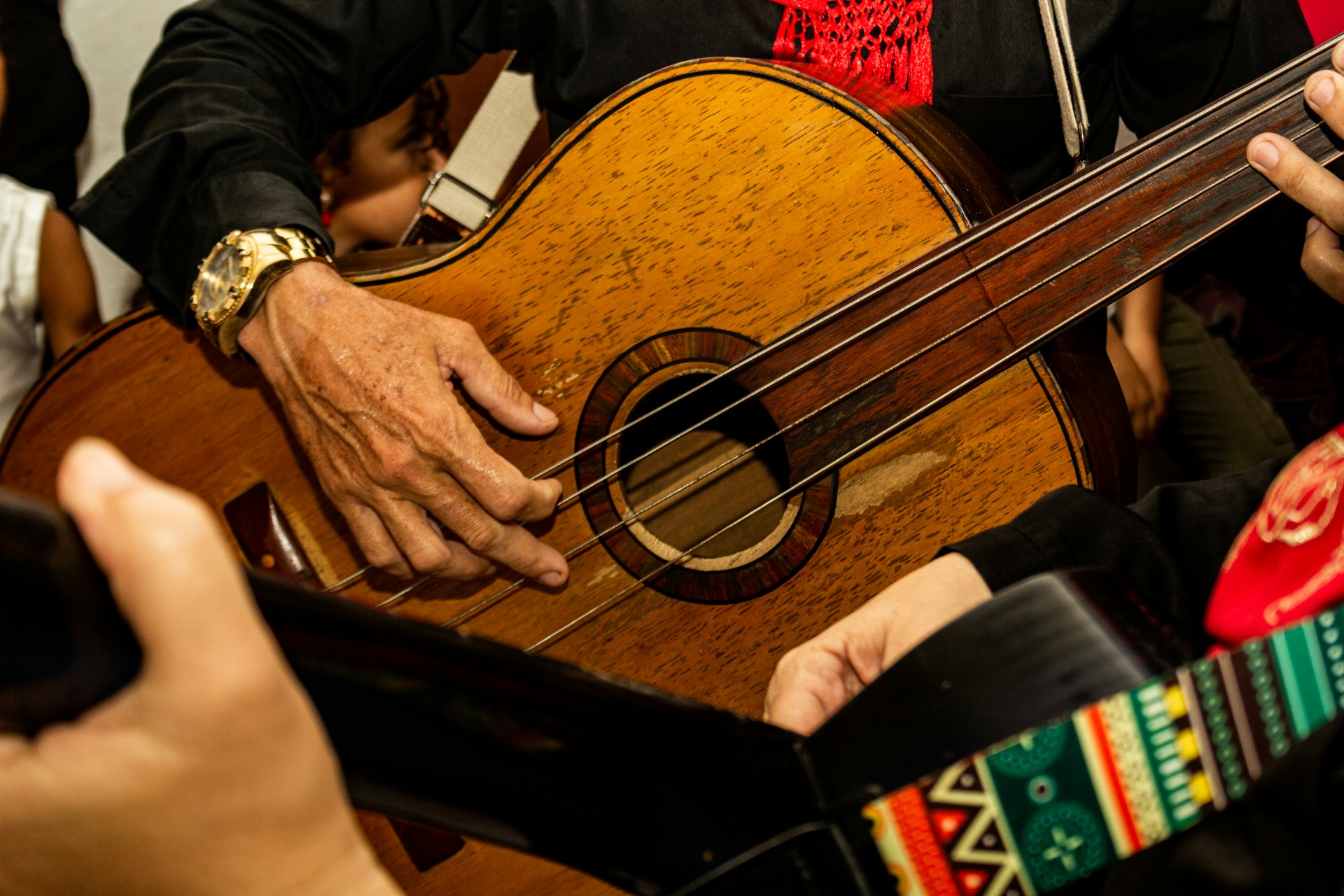

The vibrant sounds of mariachi music echo through communities across the United States, carrying with them centuries of Mexican heritage and cultural pride. From the bustling streets of Los Angeles to the cultural centers of Chicago and San Antonio, mariachi music in the United States represents a living bridge between ancestral traditions and modern American life. This beloved musical art form continues to flourish, adapting to new environments while maintaining its authentic Mexican roots, creating opportunities for cultural preservation and community connection throughout the diaspora.
The Rich Origins of Mariachi in Mexico
Mariachi music originated in the western regions of Mexico, particularly in Jalisco, during the 18th and 19th centuries. The genre emerged from a blend of indigenous, Spanish, and African musical influences, creating a unique sound that would eventually become synonymous with Mexican traditions. Originally, mariachi groups were small ensembles featuring string instruments like the vihuela, guitarrón, and violin, performing at local celebrations, religious festivals, and community gatherings.

Welcome to United Tribes
Where Mexican Culture Comes Alive
Join Your Tribe
Connect with your people
Discover Events
Watch parties & festivals
Find Mexican Businesses
Restaurants, markets & more
Earn Crown Credits
Get rewarded for engaging
The traditional mariachi ensemble tells stories of love, loss, patriotism, and daily life through its passionate vocals and intricate instrumental arrangements. The iconic charro suits, with their elaborate embroidery and silver buttons, became as much a part of the mariachi identity as the music itself. These visual and auditory elements combined to create a powerful cultural expression that would travel north with Mexican immigrants seeking new opportunities in the United States.
As Mexican families established themselves in American communities, they brought their musical traditions with them, ensuring that the sounds of their homeland would continue to resonate for future generations. The preservation of mariachi music became a way to maintain cultural identity while adapting to life in a new country.
Evolution and Adaptation in American Communities
Mariachi music in the USA has undergone significant evolution while maintaining its core cultural essence. American mariachi groups have incorporated contemporary instruments and modern arrangements, expanding beyond traditional repertoires to include popular Mexican ballads, rancheras, and even fusion pieces that blend mariachi with other musical genres.
In cities with large Mexican-American populations, mariachi groups have become integral parts of community life, performing at weddings, quinceañeras, birthday celebrations, and religious ceremonies. These musicians serve as cultural ambassadors, introducing non-Mexican audiences to the beauty and complexity of Mexican musical traditions while providing authentic experiences for Mexican-American families seeking to connect with their heritage.
Professional Mariachi Scene Growth
The professional mariachi scene in the United States has expanded dramatically, with many groups achieving national recognition and touring extensively. These professional ensembles have elevated the art form's status, performing in prestigious venues, collaborating with symphony orchestras, and participating in cultural exchange programs that highlight the sophistication of mariachi music.
Mexican-American communities have also established mariachi recording studios, music schools, and cultural centers dedicated to preserving and promoting this musical tradition. These institutions serve as gathering places where experienced musicians mentor younger generations, ensuring the continuation of authentic playing techniques and cultural knowledge.
Mariachi Festivals Celebrating Cultural Heritage
Mariachi festivals have become cornerstone events in Mexican-American communities across the United States, drawing thousands of participants and spectators annually. These festivals serve multiple purposes: they celebrate Mexican culture, provide performance opportunities for mariachi groups, and create economic opportunities for local businesses and artisans.
The Los Angeles Mariachi Festival, one of the largest in the country, showcases dozens of mariachi groups from across the Southwest, featuring both traditional performances and innovative interpretations. Similarly, the San Antonio International Mariachi Conference brings together musicians from Mexico and the United States for workshops, competitions, and spectacular concerts that highlight the genre's continuing evolution.
Regional Festival Impact
Cities like Chicago, Phoenix, and Denver have developed their own significant mariachi festivals, each reflecting the unique character of their local Mexican-American communities. These events often include cultural exhibitions, traditional food vendors, artisan markets, and educational workshops that provide comprehensive celebrations of Mexican heritage.
These festivals create opportunities for cultural tourism, attracting visitors interested in experiencing authentic Mexican traditions. They also serve as important economic drivers for local communities, supporting Mexican-owned businesses and creating temporary employment opportunities for musicians, vendors, and service providers.
Educational Programs Preserving Musical Traditions
Educational institutions across the United States have recognized the cultural and artistic value of mariachi music, establishing comprehensive programs that teach both musical skills and cultural context. High schools and universities in states with significant Mexican-American populations now offer mariachi classes as part of their regular curriculum, providing students with opportunities to connect with their heritage while developing musical abilities.
The University of Texas at San Antonio's mariachi program has become a model for other institutions, offering degree concentrations that combine rigorous musical training with cultural studies. Students learn traditional playing techniques, study the historical development of mariachi music, and participate in community performances that strengthen cultural ties.
Youth Development Through Music
Elementary and middle school mariachi programs have emerged as powerful tools for youth development and cultural preservation. These programs provide young Mexican-American students with positive role models, opportunities for artistic expression, and strong connections to their cultural identity. Many participants report increased academic engagement and stronger family relationships as a result of their involvement in mariachi music.
Community organizations and cultural centers have partnered with schools to provide instruments, instruction, and performance opportunities for students who might not otherwise have access to musical education. These partnerships demonstrate the community's commitment to ensuring that Mexican traditions continue to thrive among younger generations.
Community Performances and Cultural Connection
Mariachi groups perform regularly at community events throughout the United States, serving as the soundtrack for Mexican-American life cycles and celebrations. From intimate family gatherings to large public festivals, these musicians provide the musical foundation for cultural expression and community bonding.
Churches with significant Mexican-American congregations often feature mariachi masses, where traditional liturgical music is performed in mariachi style, creating deeply meaningful spiritual experiences that honor both religious and cultural traditions. These performances demonstrate how mariachi music has adapted to various contexts while maintaining its emotional power and cultural significance.
Restaurant performances have also become important venues for mariachi music, providing dining experiences that transport patrons to Mexico while supporting local musicians. These performances serve dual purposes: they create authentic cultural atmospheres for restaurants while providing steady income opportunities for mariachi groups.
Preserving Heritage Through Music and Tradition
The enduring presence of mariachi music in the United States reflects the strength of cultural traditions carried across borders. More than just entertainment, mariachi serves as a living connection between Mexican-American families and their ancestral homeland. Whether performed in classrooms, festivals, or intimate gatherings, mariachi embodies stories of resilience, identity, and pride that resonate deeply within communities.
As Mexican-American communities continue to grow nationwide, mariachi enriches the broader American cultural landscape with its powerful rhythms and heartfelt storytelling. The commitment to teaching younger generations and celebrating this art form in public spaces ensures that mariachi will continue to thrive for decades to come. Visit United Tribes today and find out more about Mexican culture and community celebrations that honor these timeless musical traditions.
Make United Tribes Your Preferred Source
Add United Tribes on Google to get the latest stories, cultural updates, and community events directly in your Google Search and Top Stories.


