
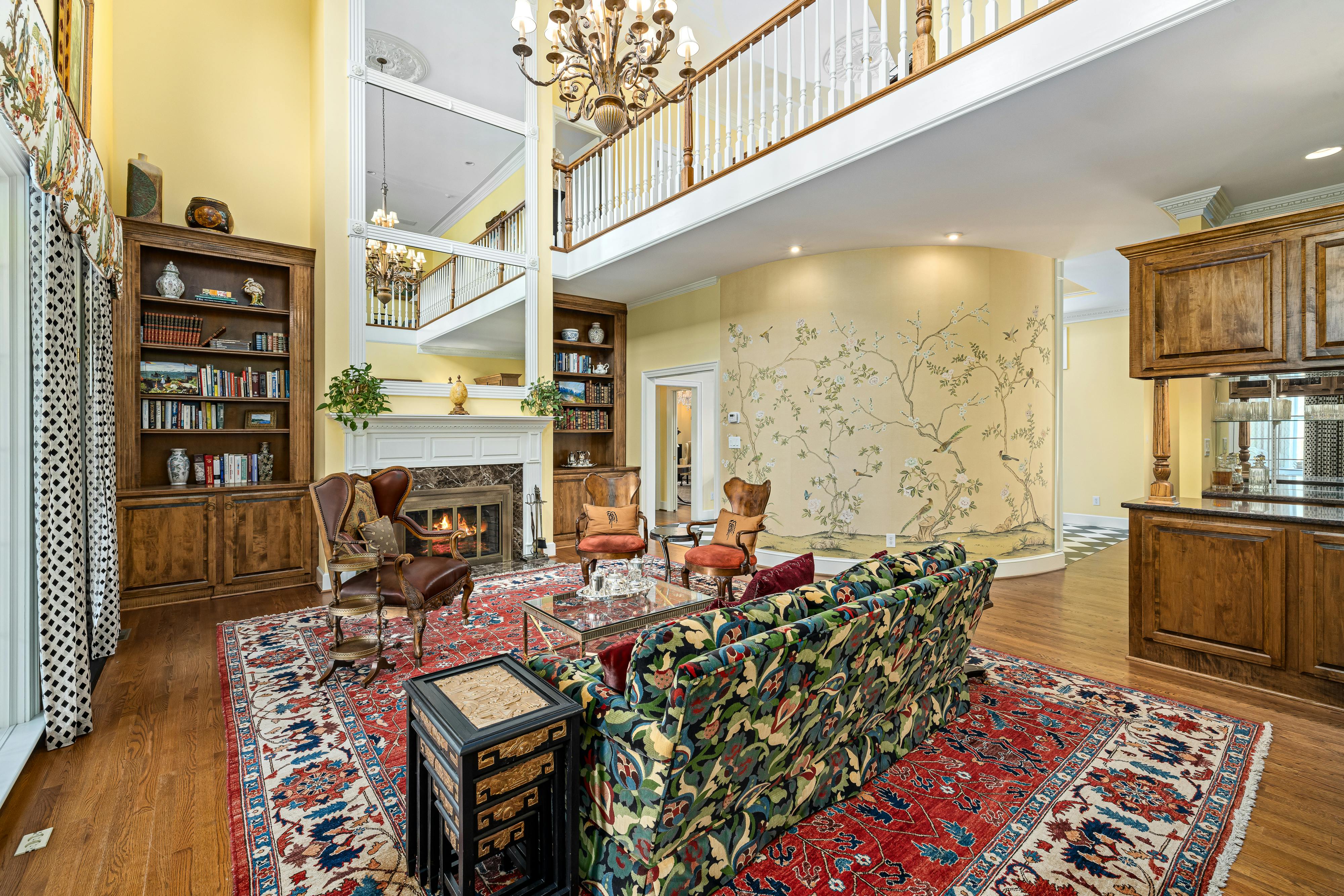

A living room area with a patterned sofa and rug

Welcome to United Tribes
Where Persian Culture Comes Alive
Join Your Tribe
Connect with your people
Discover Events
Watch parties & festivals
Find Persian Businesses
Restaurants, markets & more
Earn Crown Credits
Get rewarded for engaging
Iranian-Americans have mastered the art of creating homes that honor their rich cultural heritage while embracing contemporary American living. These beautifully curated spaces tell stories of tradition, family, and identity through carefully chosen Persian home decor, handcrafted furnishings, and meaningful artistic elements. From the intricate patterns of authentic Persian rugs to the warm hospitality reflected in every room's design, these homes serve as bridges between ancient Persia and modern America.
The modern Persian home represents more than just interior design choices – it's a celebration of cultural continuity and adaptation. Iranian-American families have found innovative ways to incorporate their ancestral aesthetic traditions into American architectural frameworks, creating spaces that feel both familiar and fresh. This thoughtful integration of old and new reflects the broader Iranian-American experience of maintaining cultural identity while building new lives in the United States.
The Foundation of Persian Interior Design
Persian interior design philosophy centers on creating spaces that welcome guests with warmth and beauty while reflecting the family's cultural heritage. Traditional Persian homes have historically emphasized symmetry, natural light, and the seamless integration of indoor and outdoor spaces. Iranian-Americans have adapted these core principles to work within American home layouts, often transforming standard living rooms into spaces that echo the grandeur of Persian courtyards.
Color palettes in Persian-inspired homes typically feature rich jewel tones – deep blues, emerald greens, ruby reds, and golden yellows – that reflect the colors found in traditional Persian art and textiles. These bold hues are often balanced with neutral tones, such as cream, ivory, and warm beiges, to create sophisticated spaces that don't overwhelm the eye. The strategic use of metallic accents, particularly gold and bronze, adds luminosity and connects to the metalwork traditions of ancient Persia.
Lighting design plays a crucial role in the aesthetics of Persian homes. Traditional Persian homes featured intricate lanterns and candelabras, and modern interpretations include ornate chandeliers, carved wooden light fixtures, and strategically placed accent lighting that highlights artwork and architectural details. Many Iranian-American families invest in statement lighting pieces that serve as conversation starters and cultural touchstones, often incorporating traditional motifs and designs.
Persian Rugs as Artistic Centerpieces
No discussion of Persian home decor would be complete without exploring the central role of Persian rugs in creating authentic cultural spaces. Persian rug markets have flourished as Iranian-American communities have grown, with families seeking both antique pieces passed down through generations and contemporary rugs that capture traditional patterns and techniques.
Authentic Persian Rug Selection
Iranian-American homeowners often choose their rugs based on regional styles that connect to their family's origins. Tabriz rugs, renowned for their exceptional durability and intricate medallion patterns, complement formal living rooms and dining areas beautifully. Isfahan rugs, with their silk highlights and incredibly detailed designs, often become the focal points of family rooms or master bedrooms. Kashan rugs, featuring elegant floral motifs, complement both traditional and contemporary furniture arrangements.
The process of selecting Persian rugs involves understanding not just the aesthetic appeal but also the cultural significance of different patterns and symbols. Many Iranian-American families work with specialized dealers who understand the importance of authenticity and can provide documentation of the rug's origin and the techniques used in its craftsmanship.
Integration with American Architecture
Modern Persian homes successfully integrate these magnificent rugs into American architectural styles by treating them as foundational design elements rather than mere floor coverings. In open-concept homes, large Persian rugs help define separate living areas while maintaining visual continuity. Smaller accent rugs create intimate conversation areas and highlight specific furniture groupings, adding a touch of elegance and sophistication.
Iranian Art and Cultural Displays
Iranian art encompasses a vast range of mediums and styles, from traditional miniature paintings to contemporary sculptures that reflect the Iranian diaspora experience. Iranian-American homes often serve as galleries for both historical and contemporary pieces that tell the story of Persian culture and the family's personal journey.
Traditional Art Forms
Miniature paintings, with their intricate detail and vibrant colors, are popular choices for Persian homes. These pieces, often depicting scenes from classical Persian literature, such as the Shahnameh or Rumi's poetry, connect residents to their literary and artistic heritage. Calligraphy art featuring Persian poetry or religious texts adds spiritual and intellectual depth to living spaces.
Traditional crafts, such as khatam-kari (Persian marquetry), are showcased in functional items like jewelry boxes, picture frames, and decorative trays that serve both aesthetic and practical purposes. Enamel work from Isfahan creates stunning vases and decorative plates that add color and cultural authenticity to kitchen and dining areas.
Contemporary Iranian-American Art
Many Iranian-American homes also showcase contemporary art created by diaspora artists who explore themes of identity, migration, and cultural fusion. These pieces often create powerful dialogues between traditional Persian motifs and American experiences, reflecting the homeowners' own cultural navigation and identity.
Architectural Elements and Spatial Design
Iranian-Americans have found creative ways to incorporate traditional Persian architectural elements into American home structures. Arched doorways and windows, reminiscent of Persian architecture, can be incorporated during renovations to create visual interest and foster a cultural connection. These architectural details work particularly well in Mediterranean or Spanish Colonial style homes that share some aesthetic similarities with Persian design.
Creating Persian-Inspired Spaces
Courtyard concepts translate beautifully into American patios and garden areas. Iranian-American families often design outdoor spaces with Persian garden principles in mind, featuring symmetrical plantings, water features, and comfortable seating areas that encourage social gatherings, a central aspect of Persian hospitality traditions.
Indoor spaces often incorporate built-in seating areas with plush cushions and low tables that facilitate the intimate conversation style preferred in Persian culture. These areas become particularly important during cultural celebrations and gatherings, providing comfortable spaces for extended family and community members to connect.
Seasonal Celebrations and Home Decoration
Persian homes undergo dramatic transformations during cultural celebrations, with homeowners adding specific decorative elements that honor traditional observances. During Nowruz celebrations, homes feature elaborate haft-seen displays with symbolic items arranged on beautiful Persian textiles. The seven symbolic items are carefully chosen and arranged to bring good fortune for the new year.
Shabe Yalda, the Persian winter solstice celebration, transforms Persian homes into warm, inviting spaces filled with candlelight, pomegranates, and family gatherings that celebrate the triumph of light over darkness. These seasonal transformations showcase the adaptability of Persian home design and its ability to accommodate both daily life and special celebrations.
Blending Persian and American Functionality
Modern Persian homes must strike a balance between cultural authenticity and the needs of the American lifestyle. Kitchen designs often incorporate elements that support Persian cooking traditions while maintaining contemporary functionality. This might include specialized storage for the essential Persian spices, copper cookware displays, and space for the large family gatherings that are central to Persian culture.
Furniture selection reflects this cultural fusion, with families choosing pieces that honor Persian craftsmanship traditions while meeting contemporary standards of comfort and durability. Hand-carved wooden furniture, often featuring intricate inlay work, provides both beauty and functionality in family rooms and dining areas.
The integration of modern technology into Persian-inspired spaces requires thoughtful planning to maintain aesthetic harmony. Entertainment centers are often housed in custom cabinetry that incorporates Persian design motifs, while modern appliances are selected for their ability to complement rather than compete with traditional decorative elements.
Preserving Heritage Through Design
For many Iranian-American families, their home design choices represent a conscious effort to preserve and share their cultural heritage with younger generations. These spaces become teaching environments where children learn about Persian history, literature, and traditions through daily interaction with meaningful objects and artistic pieces.
The commitment to authentic Persian home decor often extends to supporting artisans and craftspeople who maintain traditional techniques. Many families make purchasing decisions that support Persian art communities, both in Iran and within the American diaspora, helping to ensure that these traditional skills continue to flourish.
The modern Persian home stands as a testament to the resilience and adaptability of Iranian culture, demonstrating how Persian heritage remains strong while embracing new contexts and opportunities. These beautifully designed spaces serve not only as comfortable family homes but also as cultural ambassadors, introducing visitors to the richness and sophistication of Persian artistic traditions.
Embracing Persian Heritage at Home
The modern Persian home represents a beautiful synthesis of ancient traditions and contemporary living, where every design choice tells a story of cultural pride and adaptation. Iranian-American families have created spaces that honor their heritage through the careful selection of Persian rugs, meaningful artwork, and thoughtful architectural details, while embracing the comfort and functionality of American home design. These homes serve as cultural bridges, preserving Persian traditions for future generations while creating welcoming spaces for cross-cultural connection and understanding.
Visit United Tribes today and discover more about Persian culture and community, exploring the businesses, events, and cultural connections that help preserve these rich traditions in American communities.


