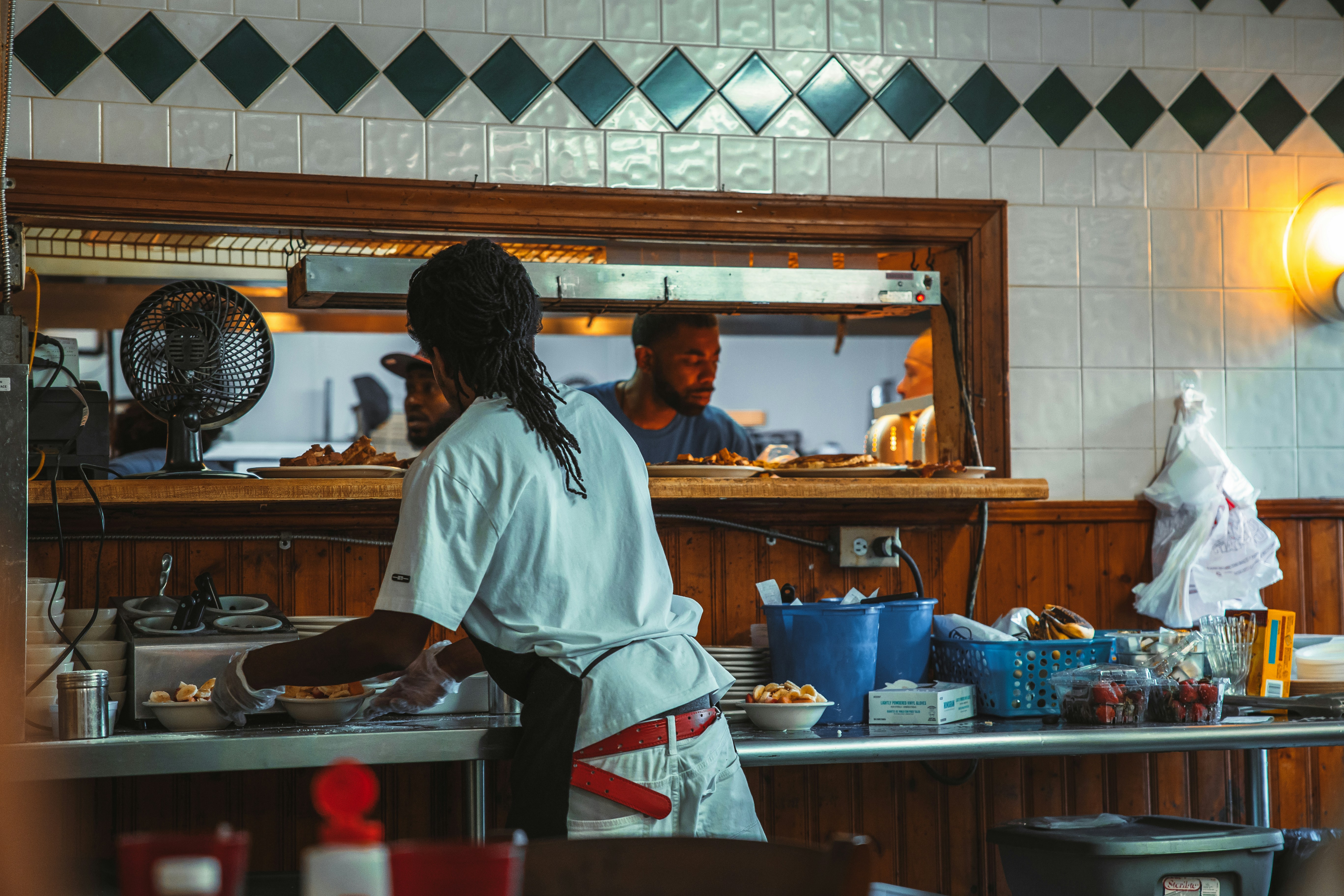

Food halls and public markets have emerged as vibrant epicenters of American food culture, fundamentally transforming how we approach dining, community building, and cultural exchange in 2026. These dynamic spaces represent more than mere collections of food vendors; they serve as modern-day town squares where diverse culinary traditions converge, creating unique environments that reflect the evolving tastes and social dynamics of contemporary American society.
The Evolution of American Food Culture Through Shared Dining Spaces
American food culture has undergone a remarkable transformation over the past decade, with food halls serving as catalysts for this change. Unlike the food courts of previous generations, today's food halls emphasize quality, authenticity, and cultural storytelling through cuisine. These spaces have democratized the dining experience, making diverse culinary traditions accessible to broader audiences while providing platforms for immigrant entrepreneurs and traditional food artisans to share their heritage.

Welcome to United Tribes
Where American Culture Comes Alive
Join Your Tribe
Connect with your people
Discover Events
Watch parties & festivals
Find American Businesses
Restaurants, markets & more
Earn Crown Credits
Get rewarded for engaging
The rise of community dining trends has been particularly evident in Americans' approaches to meal timing and social eating. Food halls accommodate the modern lifestyle's demand for flexibility, offering everything from quick breakfast options to elaborate dinner experiences. This shift reflects broader changes in American work patterns, family structures, and social preferences that prioritize convenience without sacrificing quality or cultural authenticity.
Modern U.S. food halls have also played a crucial role in preserving and celebrating traditional cooking methods and recipes that might otherwise be lost in the commercialization of ethnic cuisine. Many vendors in these spaces are first- or second-generation immigrants who bring authentic recipes and cooking techniques from their homelands, thereby bridging traditional culture and contemporary American dining preferences.
Cultural Fusion and Authenticity in Public Market Spaces
The concept of cultural fusion has taken on new meaning in food halls, where proximity among different culinary traditions naturally leads to creative cross-pollination. Vendors often inspire each other, leading to innovative menu items that respect traditional foundations while appealing to diverse American palates. This organic fusion process has contributed significantly to the expansion of American food culture beyond its traditional boundaries.
Authenticity remains a cornerstone of successful food hall vendors, with many emphasizing traditional preparation methods, imported ingredients, and family recipes passed down through generations. This commitment to authenticity has educated American consumers about the depth and complexity of various culinary traditions, moving beyond surface-level interpretations of international cuisine that dominated previous decades.
The Role of Storytelling in Food Hall Culture
Food halls have become stages for cultural storytelling, where vendors share the histories and traditions behind their dishes. This narrative aspect has enriched American food culture by providing context and meaning beyond taste, helping diners understand the cultural significance of their food choices. Many food halls now incorporate educational elements, such as cooking demonstrations, cultural presentations, and seasonal celebrations that highlight specific traditions.
Supporting Cultural Entrepreneurs Through Food Halls
The low barrier to entry in food halls has made them ideal launch platforms for cultural entrepreneurs who may lack the resources to open traditional restaurants. This accessibility has been particularly important for immigrant communities seeking to establish their culinary presence in American markets.
Community Building and Social Connection
Food halls have redefined communal dining in American society, creating spaces that encourage social interaction across cultural and generational lines. Unlike traditional restaurants, where diners typically remain within their own groups, food halls foster organic connections through shared seating areas and the common experience of exploring diverse cuisines together.
The community dining trends evident in food halls reflect Americans' increasing desire for authentic social experiences in an increasingly digital world. These spaces provide opportunities for face-to-face interactions, cultural exchange, and community building that extend far beyond the act of eating. Regular visitors often develop relationships with vendors, creating a sense of neighborhood community even in urban environments.
Seasonal celebrations and cultural events hosted in food halls have become important community gathering points, where traditional festivals and holidays are celebrated in inclusive, accessible environments. These events often feature traditional music, dance, and cultural presentations alongside authentic cuisine, creating comprehensive cultural experiences that educate and entertain diverse audiences.
The Economics of Community-Centered Food Spaces
Food halls have proven economically beneficial for both vendors and local communities by creating destination dining experiences that attract visitors and support local economies. The shared infrastructure model reduces individual vendor costs while creating opportunities that benefit all participants. This economic model has been particularly effective in supporting small-scale food entrepreneurs who specialize in traditional and authentic cuisine.
Food Halls as Cultural Education Centers
Many food halls now function as informal cultural education centers, where visitors can learn about different traditions, ingredients, and cooking techniques. This educational aspect has contributed to the broadening of American food culture by increasing awareness and appreciation for culinary diversity. Vendors often serve as cultural ambassadors, sharing knowledge about their traditions while adapting their offerings to local preferences.
Technology Integration and Modern Consumer Expectations
The integration of technology in food halls has streamlined the dining experience while maintaining the personal connections that define these spaces. Mobile ordering systems, digital payment options, and social media integration have made food halls more accessible to tech-savvy consumers while preserving the authentic, artisanal character that distinguishes them from chain restaurants.
Modern American consumers expect convenience, quality, and authenticity, and food halls have successfully balanced these sometimes competing demands. The ability to order from multiple vendors through unified systems while maintaining direct relationships with food artisans represents a uniquely American solution to contemporary dining challenges. Social media has played a crucial role in the success of food halls, with visually appealing dishes and unique cultural experiences generating significant online engagement.
Sustainability and Local Sourcing Trends
Environmental consciousness has become increasingly important in food hall operations, with many vendors emphasizing local sourcing, sustainable practices, and minimizing waste. This focus on sustainability aligns with broader American food culture trends that prioritize environmental responsibility alongside culinary quality.
Regional Variations and Local Identity
Food halls across the United States reflect the unique characteristics, cultural composition, and regional preferences of their local communities. West Coast food halls often emphasize fresh, health-conscious options alongside diverse Asian and Latin American cuisines. In contrast, East Coast venues frequently highlight European traditions alongside contributions from newer immigrant communities.
The adaptation of traditional recipes to local ingredients and preferences has created distinctive regional variations that contribute to the evolution of American food culture. Southern food halls have become particularly adept at integrating traditional Southern cuisine with diverse immigrant traditions, creating unique fusion opportunities that reflect the changing demographics of the American South.
Climate and Seasonal Adaptations
Food halls have also adapted to regional climate conditions and seasonal preferences, with vendors adjusting their menus to reflect local growing seasons and weather patterns. This adaptability has strengthened connections between food halls and their local communities while supporting regional agricultural systems.
Future Trends and Cultural Impact
Looking toward the future, food halls are expected to play even larger roles in shaping American food culture as they continue evolving to meet changing consumer preferences and community needs. The integration of cooking classes, cultural workshops, and community events will likely expand, creating more comprehensive cultural destinations that extend beyond dining.
The success of food halls has influenced traditional restaurant design and operations, with many establishments adopting the casual, communal atmosphere and diverse menu options that characterize such venues. This influence represents a broader shift in American dining culture toward more inclusive, accessible, and culturally diverse food experiences.
Emerging technologies, such as virtual-reality cultural experiences, augmented-reality menu information, and advanced sustainable food-production methods, will likely be integrated into food halls, enhancing their educational and cultural impact while maintaining their authentic, community-centered character.
Food halls represent successful models for cultural integration and community building that extend far beyond the food service industry. Their emphasis on authenticity, community connection, and cultural education provides blueprints for other industries seeking to create inclusive, diverse, and economically sustainable business models.
Food Halls Shape America's Future
Food halls and public markets have fundamentally transformed American food culture, creating vibrant community spaces that celebrate diversity while fostering authentic cultural connections. These innovative dining destinations have successfully balanced convenience with authenticity, technology with tradition, and economic viability with cultural preservation, establishing themselves as essential components of modern American community life.
Visit United Tribes today and find out more about diverse American communities and their rich culinary traditions that are transforming food culture across the nation.