
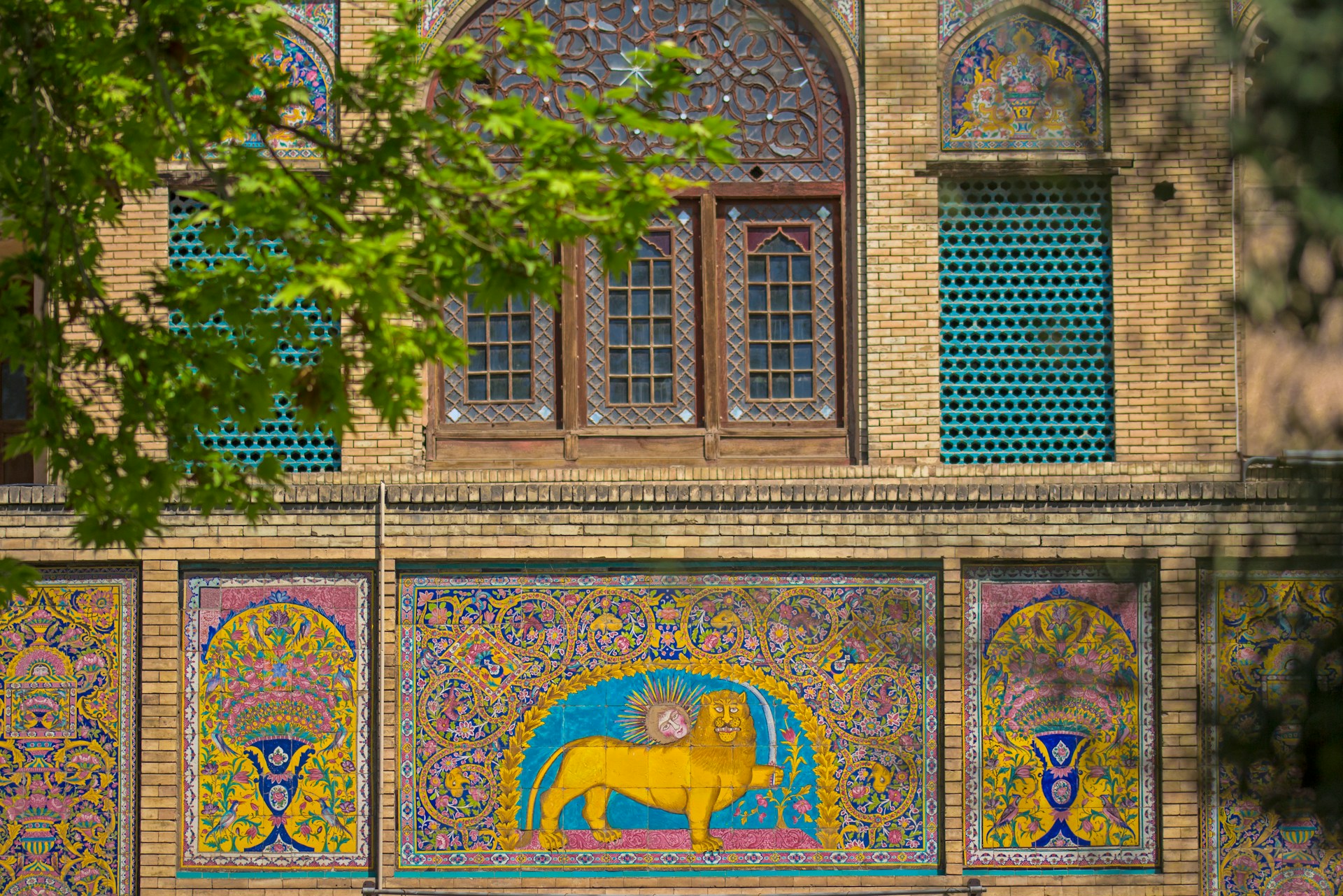

Persian poetry stands as one of the most enduring and powerful bridges connecting Iranian-Americans to their ancestral homeland. In living rooms across the United States, verses from Hafez and Rumi are recited during family gatherings, wedding ceremonies, and moments of reflection. This literary tradition serves as far more than entertainment since it is also a vital component to cultural identity, spiritual guidance, and community cohesion for millions of Iranian-Americans navigating life between two worlds.
The influence of Persian poetry in Iranian-American communities cannot be overstated. From Los Angeles to New York, Iranian cultural centers organize poetry readings, Hafez divination ceremonies, and literary discussions that draw hundreds of participants. These gatherings demonstrate how classical Persian literature continues to resonate with contemporary diaspora experiences, providing both comfort and wisdom for modern challenges.

Welcome to United Tribes
Where Persian Culture Comes Alive
Join Your Tribe
Connect with your people
Discover Events
Watch parties & festivals
Find Persian Businesses
Restaurants, markets & more
Earn Crown Credits
Get rewarded for engaging
The Historical Foundation of Persian Literary Heritage
Persian poetry's golden age, spanning from the 10th to 15th centuries, produced literary giants whose works transcend temporal and geographical boundaries. Hafez Shirazi, known simply as Hafez, crafted ghazals that blend mystical spirituality with earthly love, creating verses that speak to universal human experiences. His Divan-e Hafez remains a cornerstone of Iranian households worldwide, consulted for guidance through the traditional practice of bibliomancy.
Rumi, perhaps the most internationally recognized Persian poet, transformed Sufi mysticism into accessible verse that resonates across cultures. His works, translated into dozens of languages, have found particular appreciation in American literary circles, making Hafez Rumi's poems a cultural bridge between Iranian heritage and broader American society.
These poets established themes that remain deeply relevant to Iranian-American experiences: the search for spiritual meaning, the pain of separation from beloved homeland, the celebration of beauty in everyday life, and the pursuit of divine love through human connection. Such themes naturally align with diaspora experiences of longing, adaptation, and maintaining spiritual connections across physical distances.
Poetry as Cultural Preservation in Diaspora Communities
For Iranian-American families, poetry serves as an active method of cultural transmission. Parents and grandparents use memorized verses to teach children about Persian values, history, and worldview. Unlike textbook learning, poetry embeds cultural knowledge within emotional and aesthetic frameworks that children naturally absorb and remember.
Different communities have developed innovative approaches to preservation. Weekend Persian schools incorporate poetry recitation into the curriculum, while cultural organizations host annual poetry competitions for different age groups. These activities ensure that classical Persian literature remains alive and relevant for American-born generations who might otherwise lose connection to their ancestral language and culture.
The rhythmic nature of Persian poetry makes it particularly effective for language learning. Children who struggle with conversational Persian often find success through memorizing and reciting classical verses. The structured meter and rhyme schemes provide scaffolding that supports language acquisition while simultaneously transmitting cultural values and historical knowledge.
Modern technology has enhanced these preservation efforts. Iranian-American families share poetry through social media, create digital archives of family recordings, and participate in virtual poetry circles that connect diaspora communities across the country. Just as families maintain connections through Persian tea culture, a daily ritual in Iranian-American homes, poetry creates ongoing touchstones for cultural identity.
Community Gathering and Shared Identity Through Verse
Poetry readings and literary gatherings function as crucial community-building activities within Iranian-American culture. These events, held in community centers, private homes, and cultural institutions, create spaces where diaspora members can express their dual identity through shared literary appreciation. Participants often dress in traditional clothing, serve Persian refreshments, and create atmospheres that evoke homeland memories while celebrating American freedoms of expression and assembly.
Poetry Circles and Cultural Events
Regular poetry circles meet monthly in major Iranian-American population centers. These gatherings typically begin with classical recitations, followed by discussions of interpretation and contemporary relevance. Many groups encourage participants to compose original works inspired by classical forms, creating new literature that reflects modern Iranian-American experiences while honoring traditional structures.
Cultural festivals featuring poetry competitions draw participants from across the country. The Persian New Year (Nowruz) celebrations invariably include poetry recitations, connecting seasonal renewal with literary heritage. These events often feature multiple generations performing together, with grandparents reciting classical works while grandchildren present contemporary pieces inspired by traditional forms.
Personal Identity Formation Through Poetic Connection
Individual Iranian-Americans often describe transformative moments of connection with Persian poetry. College students studying abroad find comfort in Hafez's verses about separation and longing. Young professionals navigating career challenges discover guidance in Rumi's teachings about persistence and spiritual growth. Elderly community members find solace in familiar verses that connect them to deceased relatives and distant homeland memories.
The practice of fal-e Hafez, consulting Hafez's divan for guidance, remains popular among Iranian-Americans seeking connection to traditional wisdom. This practice bridges ancient Persian mysticism with contemporary decision-making, providing culturally grounded approaches to life challenges. Many Iranian-American families keep copies of Hafez's complete works alongside the Quran or Bible, emphasizing poetry's spiritual significance.
Hafez Rumi's poems offer particular resonance for diaspora experiences because both poets addressed themes of spiritual journey, separation from the beloved, and finding meaning through difficulty. Iranian-Americans often find their own migration stories reflected in metaphorical language about travelers, exiles, and seekers pursuing distant goals.
The aesthetic beauty surrounding Persian poetry, from calligraphy to garden settings to musical accompaniments, connects to other aspects of Iranian culture that diaspora communities work to preserve. Just as Persian gardens provide inspiration and symbolism in Iranian culture, poetry creates beautiful spaces for cultural reflection and identity affirmation.
Modern Adaptations and Creative Expression
Contemporary Iranian-American poets draw extensively from classical Persian traditions while addressing modern diaspora experiences. Emerging writers blend English and Persian languages, incorporate classical meters into contemporary themes, and create works that speak directly to second and third-generation Iranian-Americans navigating multicultural identities.
Social media platforms have enabled new forms of Persian poetry sharing. Instagram accounts dedicated to daily Hafez verses attract thousands of followers, while YouTube channels feature poetry recitations with English translations for younger audiences. These digital adaptations ensure that classical Persian poetry remains accessible and relevant for technology-native generations.
Musical collaborations represent another avenue for poetic adaptation. Iranian-American musicians set classical verses to contemporary arrangements, creating fusion works that honor traditional poetry while appealing to diverse audiences. These musical interpretations often accompany cultural events and provide a soundtrack for community celebrations, much like how Persian music instruments maintain tradition in every note.
Film and theater projects increasingly incorporate Persian poetry into storytelling frameworks. Iranian-American directors and playwrights use classical verses to add authenticity and emotional depth to works exploring diaspora themes. These artistic collaborations expand poetry's reach beyond traditional literary circles, introducing classical Persian works to broader American audiences while reinforcing their significance for Iranian-American identity formation.
Creative writing workshops specifically focused on Persian poetic forms have emerged in universities and community centers. These educational programs teach traditional ghazal and rubai structures while encouraging participants to explore contemporary themes through classical frameworks. Such initiatives ensure that Persian poetic traditions continue evolving rather than becoming static museum pieces, remaining dynamic aspects of living Iranian-American culture.
Preserving Heritage Through Timeless Verse
Persian poetry continues serving as an essential cornerstone for Iranian-American identity, bridging ancient wisdom with contemporary experiences. Through the enduring works of Hafez, Rumi, and other master poets, diaspora communities maintain vital connections to their cultural heritage while navigating modern American life. These literary traditions provide not only comfort and guidance but also create shared spaces for community building and intergenerational cultural transmission.
The integration of Persian poetry into daily life, family traditions, and community celebrations demonstrates its lasting relevance for Iranian-Americans seeking to honor their heritage while embracing their American identity. From intimate family gatherings to large cultural festivals, these timeless verses continue fostering connections that span continents and centuries.
Visit United Tribes today to discover more about Persian culture and community events celebrating the rich literary traditions that connect Iranian-Americans across the United States.
Make United Tribes Your Preferred Source
Add United Tribes on Google to get the latest stories, cultural updates, and community events directly in your Google Search and Top Stories.


