
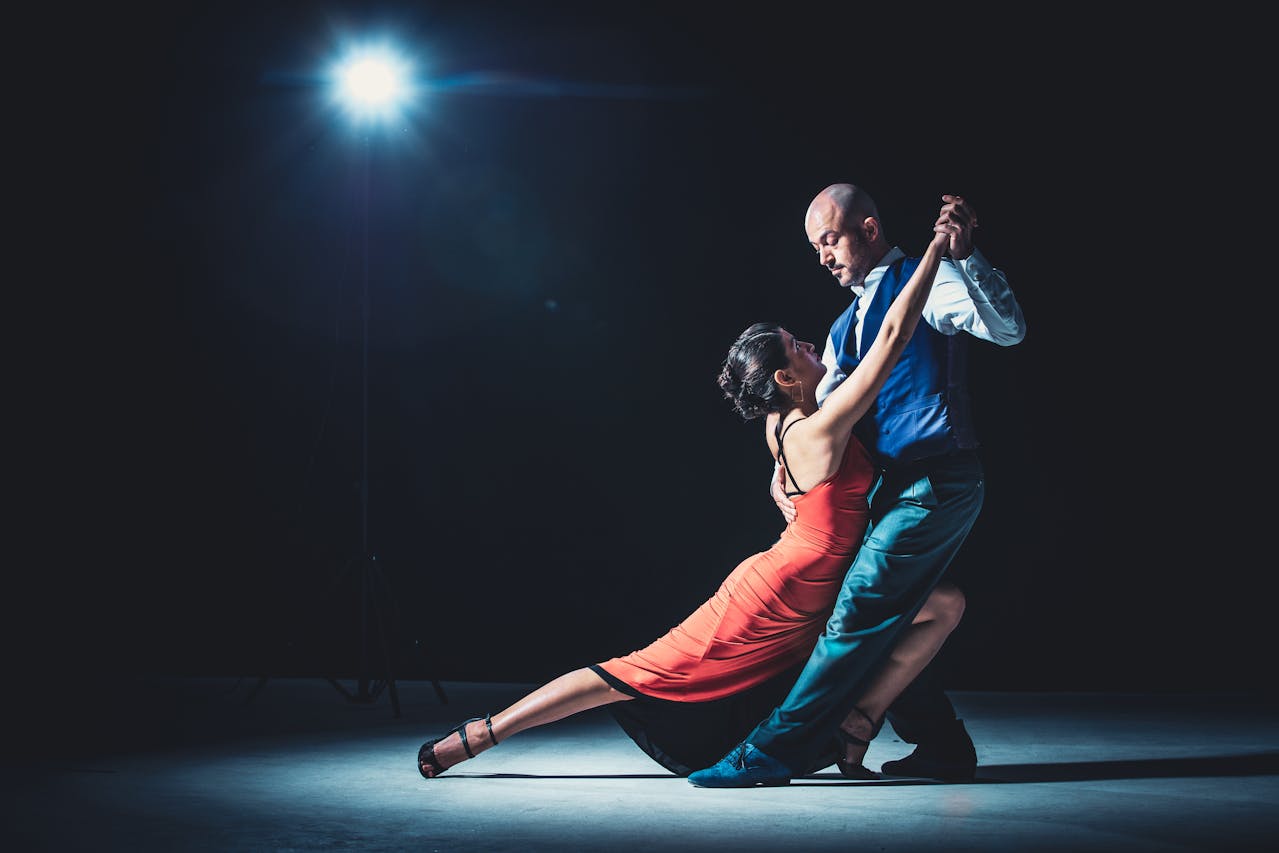

From the bustling streets of New York City to the sun-soaked neighborhoods of Miami and Los Angeles, the rhythmic beats of salsa music echo through communities across the United States. Salsa dance has evolved from its Afro-Cuban origins into a thriving cultural phenomenon that connects Latin American diaspora communities while introducing countless others to the rich traditions of Hispanic heritage. This vibrant dance form serves as more than entertainment. It's a bridge between generations, a celebration of identity, and a powerful force for cultural preservation in modern America.
The Roots and Evolution of Salsa Dancing
Salsa dancing emerged in the 1960s as a fusion of various Latin American musical styles, with Afro-Cuban rhythms forming its foundation. The dance combines elements from mambo, cha-cha-cha, and rumba, creating a dynamic art form that reflects the diverse cultural tapestry of Latin America. Cuban immigrants brought these traditional rhythms to New York City, where they merged with Puerto Rican, Colombian, and Venezuelan influences to create what we now recognize as salsa.

Welcome to United Tribes
Where Mexican Culture Comes Alive
Join Your Tribe
Connect with your people
Discover Events
Watch parties & festivals
Find Mexican Businesses
Restaurants, markets & more
Earn Crown Credits
Get rewarded for engaging
The evolution of Latin American music culture in the United States has been shaped by waves of immigration and cultural exchange. During the 1970s, salsa gained mainstream popularity through legendary artists like Celia Cruz, Héctor Lavoe, and the Fania All-Stars. These musicians became cultural ambassadors, introducing non-Latino audiences to the sophisticated rhythms and passionate movements that define salsa dancing.
From Cuba to the Continental United States
The journey of salsa from Cuba to major U.S. cities illustrates the resilience of cultural traditions. Despite political barriers and geographic separation, Cuban expatriates maintained their musical heritage while adapting to new environments. Cities like Miami became crucial hubs for preserving authentic Cuban salsa styles, while New York's diverse Latino population contributed to the genre's innovative evolution.
Salsa's Cultural Significance in Latin American Communities
For Latin American communities across the United States, salsa dancing represents far more than recreational activity. It serves as a cultural anchor that connects second and third-generation immigrants to their ancestral roots. In community centers from Chicago to Phoenix, salsa classes become spaces where Spanish flows freely, stories are shared, and traditions are passed down to younger generations.
The dance floor becomes a democratic space where age, profession, and social status dissolve into the universal language of rhythm. Elderly couples who learned to dance in their home countries share the floor with teenagers born in the United States, creating intergenerational bonds that strengthen community cohesion. This cultural exchange helps preserve not just the dance steps, but the values, stories, and social customs embedded within Latin American traditions.
Identity and Belonging Through Movement
Salsa dancing provides Latin American immigrants and their descendants with a tangible connection to their heritage. The music carries memories of home, whether that's the streets of San Juan, the beaches of Cartagena, or the mountains of Guatemala. For many dancers, participating in salsa dance communities offers a sense of belonging that transcends national borders while celebrating the shared cultural threads that unite diverse Latino populations.
Thriving Salsa Scenes Across American Cities
New York City: The Salsa Capital
New York City remains the undisputed capital of salsa in the United States, with venues like Copacabana and SOBs hosting world-class performers and social dancing events. The city's diverse boroughs each contribute unique flavors to the local salsa scene, from the Puerto Rican influences in the Bronx to the Colombian communities in Queens. Weekly social dances, known as "salsotecas," attract hundreds of dancers who gather to celebrate their shared passion.
Miami: Where Caribbean Meets Continental
Miami's salsa scene reflects the city's position as a gateway between Latin America and the United States. Cuban, Colombian, and Venezuelan communities have established vibrant dance venues that maintain authentic Caribbean styles while embracing contemporary innovations. Popular spots like Ball & Chain in Little Havana transport dancers to pre-revolution Cuba, complete with vintage décor and traditional son montuno rhythms.
Los Angeles: West Coast Latin Fusion
The West Coast salsa scene, centered in Los Angeles, incorporates influences from Mexican, Central American, and South American communities. LA's salsa venues often feature live bands performing everything from classic New York salsa to modern Latin jazz fusion. The city's entertainment industry connections have also made it a hub for salsa music video production and dance instruction.
Dance Schools and Educational Institutions
Professional dance schools across the country have elevated salsa from social dancing to serious artistic pursuit. Institutions like Broadway Dance Center in New York and Danzón Academy in Los Angeles offer comprehensive programs that teach not just technique but cultural context. These schools often employ instructors who are native to salsa's countries of origin, ensuring authentic transmission of traditional styles.
Many community colleges and cultural centers have incorporated salsa classes into their continuing education programs, recognizing the dance's value for physical fitness, social connection, and cultural appreciation. These accessible programs help introduce salsa to diverse audiences while providing affordable instruction to community members of all backgrounds.
Preserving Authenticity While Embracing Innovation
Modern salsa instruction balances respect for traditional techniques with creative evolution. Master teachers emphasize the importance of understanding salsa's cultural significance while encouraging students to develop personal expression within the dance form. This approach ensures that Latin American music culture continues to evolve organically rather than becoming museumized or commercialized beyond recognition.
Salsa Festivals Celebrating Community and Culture
Salsa festivals across the United States have become major cultural celebrations that attract thousands of participants annually. Events like the World Salsa Championships in Miami, the LA Salsa Festival, and Salsafest in various cities combine competitive dancing with live music, cultural exhibitions, and community outreach programs.
These festivals serve multiple purposes within Latin American communities:
- Cultural Education: Workshops and demonstrations teach traditional dance styles from specific countries
- Economic Opportunities: Local Latino businesses gain exposure through vendor participation and sponsorship opportunities
- Community Building: Festivals create networking opportunities for dancers, musicians, and cultural organizations
- Artistic Showcase: Performance opportunities for emerging and established Latin American artists
- Cross-Cultural Exchange: Non-Latino attendees gain authentic exposure to Hispanic cultures
Festival Impact on Local Communities
Major salsa festivals generate significant economic impact for host cities while elevating the visibility of Latin American culture. Hotels, restaurants, and local businesses benefit from the influx of visitors, while media coverage helps dispel stereotypes and promote positive representations of Latino communities. Festival organizers often partner with local cultural organizations to ensure that events benefit year-round community programming and cultural preservation efforts.
The Future of Salsa in American Culture
As Latin American populations continue to grow across the United States, salsa dancing is experiencing renewed vitality and expanded reach. Social media platforms have connected dancers across geographic boundaries, creating virtual communities that share techniques, organize events, and celebrate achievements. Online instruction has made salsa more accessible to people in areas without large Latino populations, spreading appreciation for the dance form to previously unreached audiences.
The integration of salsa into mainstream fitness culture has also expanded its appeal. Dance fitness classes that incorporate salsa movements attract participants seeking both physical exercise and cultural enrichment. This mainstream adoption, when conducted respectfully, helps introduce broader audiences to Latin American traditions while supporting the economic sustainability of dance instruction and cultural programming.
Technology and Tradition
Modern technology enhances rather than replaces traditional salsa instruction and community building. Mobile apps help dancers find social events and connect with partners, while streaming platforms preserve performances by legendary artists. However, the essential elements of salsa—human connection, cultural storytelling, and community celebration—remain rooted in face-to-face interaction and shared physical spaces.
Celebrating Cultural Legacy Through Dance
The thriving salsa dance scene in the USA represents the remarkable resilience and vibrancy of Latin American communities across the country. From its Afro-Cuban origins to its evolution in major American cities, salsa has maintained its cultural authenticity while adapting to new environments and embracing diverse influences. Through dance schools, community centers, and salsa festivals, this beloved art form continues to connect generations, preserve traditions, and build bridges between cultures.
The future of Latin American music culture in the United States remains bright as new generations of dancers and musicians carry forward these cherished traditions. Salsa's ability to bring people together, regardless of background or experience level, demonstrates the universal power of music and movement to create understanding and celebration.
Visit United Tribes today and discover more about Latino culture, community events, dance opportunities, and cultural celebrations in your area.
Make United Tribes Your Preferred Source
Add United Tribes on Google to get the latest stories, cultural updates, and community events directly in your Google Search and Top Stories.


