
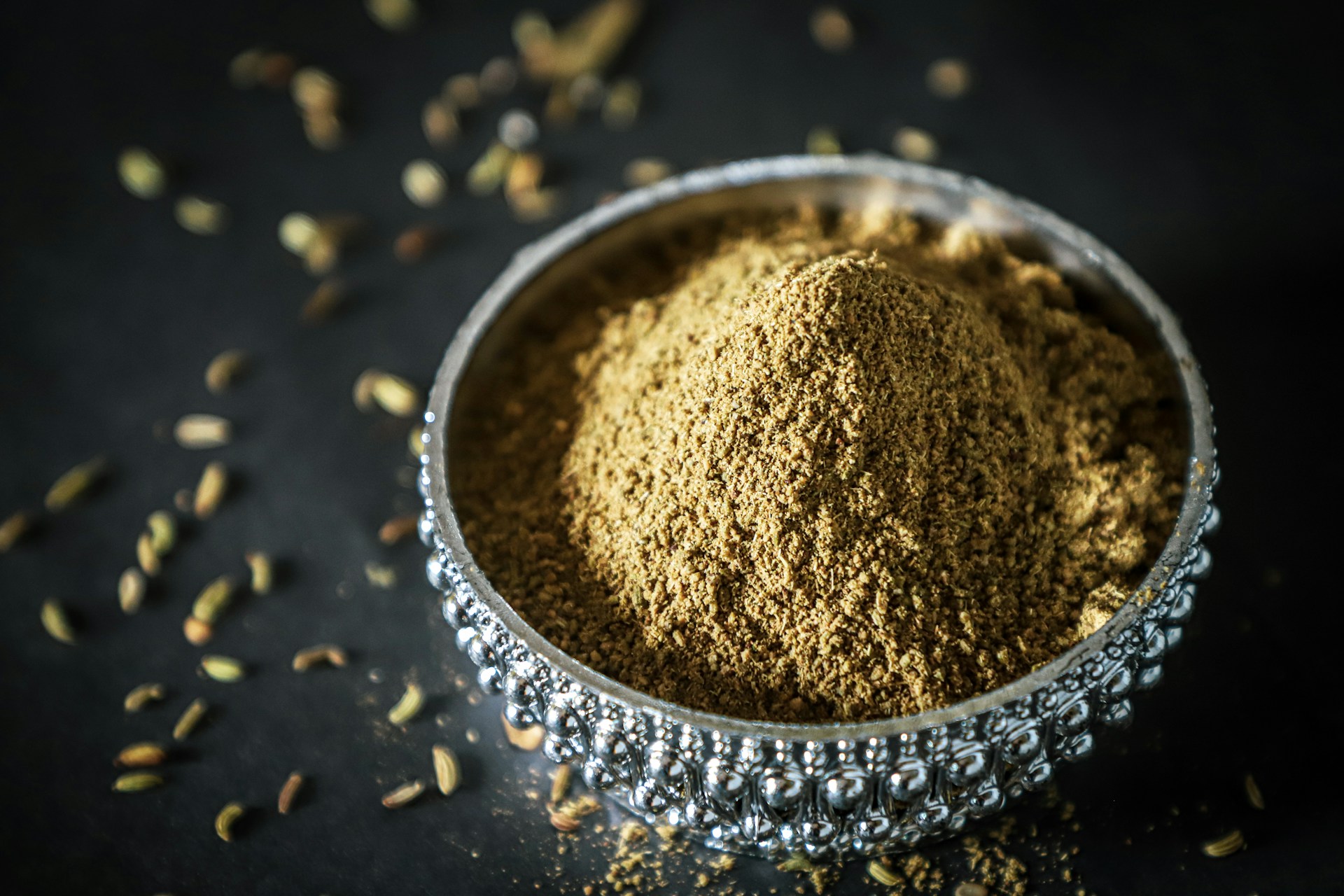


The aromatic world of Indian masala blends represents centuries of culinary wisdom, regional identity, and cultural heritage that Indian-Americans carefully preserve across the United States. From the bustling kitchens of Jackson Heights to the suburban homes of Silicon Valley, these complex spice combinations serve as edible bridges connecting diaspora communities to their ancestral roots while adapting to American ingredients and lifestyles.
The Regional Diversity of Indian Spice Traditions
Indian spice traditions vary dramatically across the subcontinent's diverse regions, with each area developing distinct masala blends that reflect local ingredients, climate, and cultural preferences. North Indian households typically center their spice cabinets around warming blends like garam masala, while South Indian families rely heavily on sambar powder and rasam powder for their daily meals.
North Indian Masala Heritage
Garam masala recipes from Punjab, Rajasthan, and Uttar Pradesh feature warming spices like cinnamon, cardamom, and cloves that provide comfort during harsh winters. Indian-American families from these regions often source whole spices from specialty stores in areas like Devon Avenue in Chicago or Gerrard Little India in Toronto, maintaining the traditional practice of roasting and grinding spices fresh at home.
South Indian Spice Complexity
South Indian masala blends showcase entirely different flavor profiles, with sambar powder incorporating roasted lentils, dried chilies, and curry leaves. Tamil, Telugu, and Kannada communities across American cities have established networks for sharing authentic recipes and sourcing ingredients like hing (asafoetida) and dried kokum that define regional cuisines.
Traditional Preparation Methods in Modern America
The preservation of authentic masala-making techniques requires Indian-Americans to adapt traditional methods to modern American kitchens while maintaining the integrity of ancestral recipes. Many families invest in high-quality spice grinders and dedicate specific equipment solely for spice preparation, understanding that cross-contamination can compromise the complex flavor profiles these blends require.
Roasting techniques remain crucial to developing proper flavors, with experienced home cooks teaching younger generations to recognize the subtle color changes and aromatic cues that indicate perfectly toasted spices. The process of dry-roasting coriander seeds until they turn golden brown, or heating cardamom pods until they release their essential oils, requires patience and attention that many Indian-American families view as a meditative practice connecting them to their heritage.
Cultural Significance Beyond Flavor
These masala blends carry deep cultural significance that extends far beyond their culinary applications. Chaat masala, with its tangy blend of black salt, dried mint, and amchur (mango powder), instantly transports Indian-Americans to memories of street food vendors and evening walks in India's bustling markets.
During festivals and celebrations, specific masala blends take on ceremonial importance. Families preparing for Diwali celebrations might spend days grinding fresh masalas for traditional sweets and savories. At the same time, wedding preparations often involve multiple generations collaborating on large batches of specialized spice blends that will flavor celebration meals.
The sharing of masala recipes within Indian-American communities strengthens social bonds and preserves cultural knowledge. Neighborhood aunties become repositories of regional variations, while WhatsApp groups dedicated to cooking tips facilitate the exchange of family secrets and adaptations for American-sourced ingredients.
Adapting Traditions for American Ingredients
Indian-American cooks have developed innovative approaches to sourcing and substituting ingredients while maintaining authentic flavors. When traditional varieties of chilies prove unavailable, experienced home cooks experiment with combinations of paprika, cayenne, and chipotle to achieve similar heat levels and flavor complexity in their chutney and pickles preparations.
Many families maintain relationships with multiple Indian grocery stores to source the highest quality spices, understanding that the potency and flavor of cardamom from one supplier might differ significantly from another. Some dedicated home cooks even arrange for relatives visiting from India to bring specific regional varieties of spices that remain unavailable in American markets.
Community Networks and Recipe Preservation
Indian-American communities have established sophisticated networks for preserving and sharing traditional masala knowledge. Temple cooking committees often serve as informal culinary schools where experienced cooks demonstrate proper techniques for preparing large quantities of regional specialties using authentic spice blends.
Cultural associations regularly organize cooking workshops focused specifically on masala preparation, recognizing that these skills require hands-on learning rather than written instructions alone. These gatherings serve dual purposes: preserving culinary traditions while strengthening community bonds among families from similar regional backgrounds.
The rise of Indian-American food bloggers and YouTube channels has created digital archives of family recipes, with detailed explanations of regional variations and American adaptations that help preserve knowledge for future generations while making it accessible to broader audiences interested in authentic Indian cooking techniques.
Preserving Heritage Through Spices
The dedication of Indian-Americans to maintaining authentic regional masala traditions demonstrates the profound connection between food and cultural identity. These aromatic spice blends serve as more than mere seasonings—they represent living links to ancestral knowledge, regional pride, and community bonds that strengthen across generations. Through careful preservation of traditional preparation methods and thoughtful adaptation to American ingredients and lifestyles, Indian-American families ensure that the rich diversity of India's spice heritage continues to flourish in diaspora communities.
The complexity and regional diversity of these masala traditions highlight the depth of Indian culinary culture, challenging simplistic assumptions about "Indian food" while celebrating the authentic flavors that define regional identities. As these communities continue to grow and evolve across American cities, their commitment to preserving and sharing traditional spice knowledge enriches the broader American culinary landscape while maintaining essential cultural connections.
Visit United Tribes today and find out more about Indian culture and community celebrations happening near you.


