
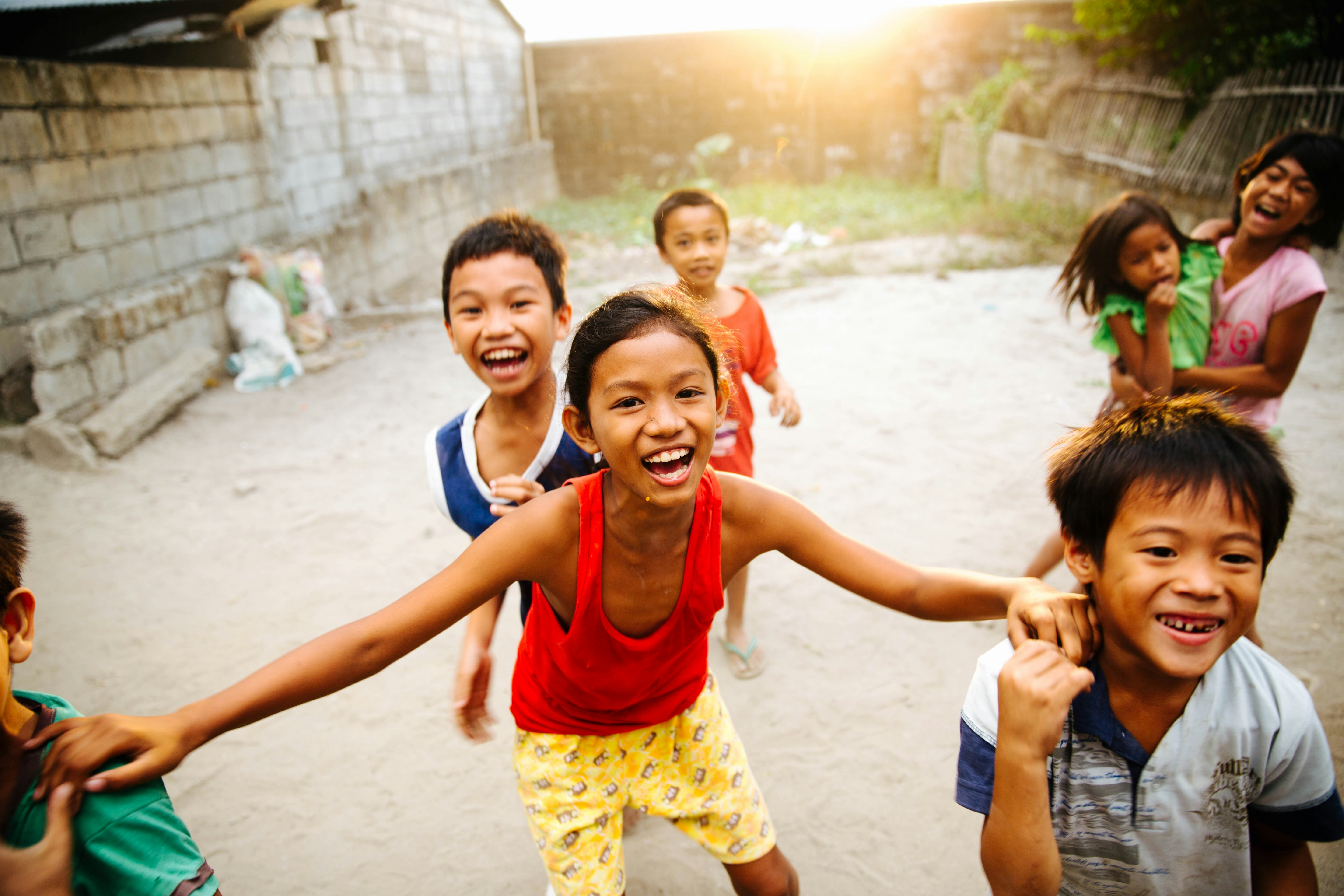

Over the years, Filipinos have demonstrated to the world their remarkable resilience. Whether they’re discriminated against in foreign lands, facing natural calamities, or navigating economic uncertainty, Filipinos stay standing.
This resilience is rooted in strength, compassion, and unity, coexisting with the bayanihan spirit. Filipino-Americans continue to uphold these values while living far from home and navigating today’s ever-changing world.
To understand how Filipino-Americans respond to adversity, join us as we explore their resilient spirit and the concept of bayanihan.

Welcome to United Tribes
Where Filipino Culture Comes Alive
Join Your Tribe
Connect with your people
Discover Events
Watch parties & festivals
Find Filipino Businesses
Restaurants, markets & more
Earn Crown Credits
Get rewarded for engaging
What Resilience & Bayanihan Mean to Filipinos
In Filipino culture, resilience is characterized by staying positive, resourceful, and strong in the face of life’s challenges. It has endured through generations, forged by the Philippines’ long history of colonialism, natural disasters, and economic struggles. Filipino-Americans view resilience as more than just survival; it’s about overcoming difficult situations while maintaining their cultural identity and values.
Meanwhile, bayanihan describes the spirit of community that Filipinos exhibit. It’s the traditional concept of helping one another, especially during tough times.
From neighbors helping a family move their nipa hut to a new place, bayanihan now symbolizes the solidarity, compassion, and volunteerism that many Filipinos show in the face of hardships. This concept continues to thrive in Filipino-American communities.
Resilience Amidst Discrimination & Injustice
Filipino-Americans have experienced various forms of discrimination in the U.S. These hurdles range from being excluded during early waves of immigration to facing anti-Asian hate during the COVID-19 pandemic. However, the Filipino diaspora has responded to such situations with powerful movements rooted in education, civic participation, and unity.
Organizations such as the Filipino American National Historical Society (FANHS) and Asian Americans Advancing Justice (AAAJ) work to combat stereotypes and amplify the voices of Filipinos in American society. Filipino youth and professionals call out injustice and support their communities through activism, as well.
Moreover, Filipino-Americans have established safe spaces where people gather, share stories, and find support and strength from one another. Churches, cultural centers, local organizations, and other community-based institutions help community members navigate social and emotional challenges while celebrating their heritage.
Responding to Natural Disasters Back Home
Filipino-Americans exemplify bayanihan most notably through their swift and organized responses to calamities in their homeland. Whether it's a typhoon, volcanic eruption, or earthquake, the diaspora promptly sends aid, raises funds, and connects with affected communities.
People in Filipino-American communities and local organizations have spearheaded the following initiatives to help victims of natural disasters back home:
- Donation drives
- Benefit concerts
- Online crowdfunding
These efforts have shown that the diaspora remains connected to their roots and keeps the spirit of bayanihan alive across continents.
Bayanihan in Action: Mutual Aid After Typhoon Haiyan
An excellent example of the Filipino community disaster response occurred after Typhoon Haiyan (Yolanda) struck the Philippines in 2013. Filipino-Americans, led by community groups, student organizations, and professionals, came together to send food, medical supplies, and financial aid to the Philippines.
In Seattle, community activist Cindy Domingo helped the city government respond to the typhoon. Former Seattle Mayor Mike McGinn allowed government workers to donate the monetary equivalent of up to 20 hours of unused vacation time to the city’s typhoon relief drive. An organization called Seattle Shares was tasked with remitting donations to the American Red Cross, which distributed them in typhoon-stricken areas.
Additionally, the Los Angeles-based organization United Healthcare Workers West (UHWW) donated a considerable amount to the Active Citizenship Foundation for typhoon relief. The ACF works with the Philippine party-list Akbayan.
Through these accounts, we see how bayanihan, especially during natural calamities, works despite long distances.
Filipinos & Socio-Economic Challenges in the U.S.
Living in the U.S. has also created socio-economic challenges for Filipinos.
The First Generation: Hard Work & Sacrifice
Many Filipinos migrate to our country in search of a better life. However, they often encounter financial challenges or underemployment, with some working multiple jobs to make ends meet. The adaptability of the Filipino people shines through in these situations.
From nurses working long hours in hospitals to entrepreneurs running small businesses, such as local eateries, Filipinos consistently demonstrate determination and grit. Their ability to adjust to unfamiliar environments while supporting families in both the U.S. and the Philippines showcases their responsibility and resilience.
The Second Generation: Dual Identities
Second-generation Filipino Americans have dual identities, facing the pressure to succeed while maintaining a connection to their heritage. Yet, many have turned this hurdle into a strength. These individuals have led in various fields, including education, technology, politics, and the arts, while proudly embracing their roots.
The resilience demonstrated by previous generations of Filipino Americans endures in our modern world. Younger generations now call for representation, mental health awareness, and cultural pride on platforms such as social media and community-driven events.
Filipino-American Support Systems at a Glance
Even when the going gets tough, Filipino Americans rely on numerous support systems to tackle significant challenges.
Welcoming Spaces in Local Communities
Whenever Filipino-Americans need help, they have many safe spaces to turn to.
For example, many families in the diaspora visit churches for spiritual guidance and practical assistance. There are also nonprofits offering resources for education, employment, and immigration. We can label these spaces as modern versions of bayanihan, informal systems that embody the Filipino spirit of mutual aid and support.
Mental Health Awareness
Filipino-Americans are also breaking cultural taboos around mental health. They use community workshops, student initiatives, and online platforms to educate others and normalize conversations about anxiety, depression, and intergenerational trauma.
As a result, people struggling with their mental health can adopt healthier coping strategies, and Filipino-American communities can strengthen their bonds.
Resilience & Bayanihan in a Filipino-American’s Future
As the world changes and presents more challenges to Filipinos, Filipino resilience and bayanihan will continue to guide future generations.
Filipino-Americans demonstrate that upholding these values can transform hardships, such as political unrest or bleak financial situations, into success. Their stories of sacrifice, generosity, and courage are part of our nation’s history, reminding us that unity and adaptability are powerful.
Final Thoughts
Resilience isn't a buzzword for Filipino-Americans. It’s how they live their daily lives. Whenever calamities, discrimination, or immigration-related challenges happen, Filipino-Americans overcome them with resilience, compassion, and unity.
Most importantly, every hurdle allows Filipinos to lift each other. That’s the essence of bayanihan, closely intertwined with Filipino resilience. Understanding these values will enable you to appreciate Filipino culture more deeply and connect with Filipinos more effectively.
For more information about Filipino culture, visit the United Tribes blog or our Filipino community page today.
Make United Tribes Your Preferred Source
Add United Tribes on Google to get the latest stories, cultural updates, and community events directly in your Google Search and Top Stories.