
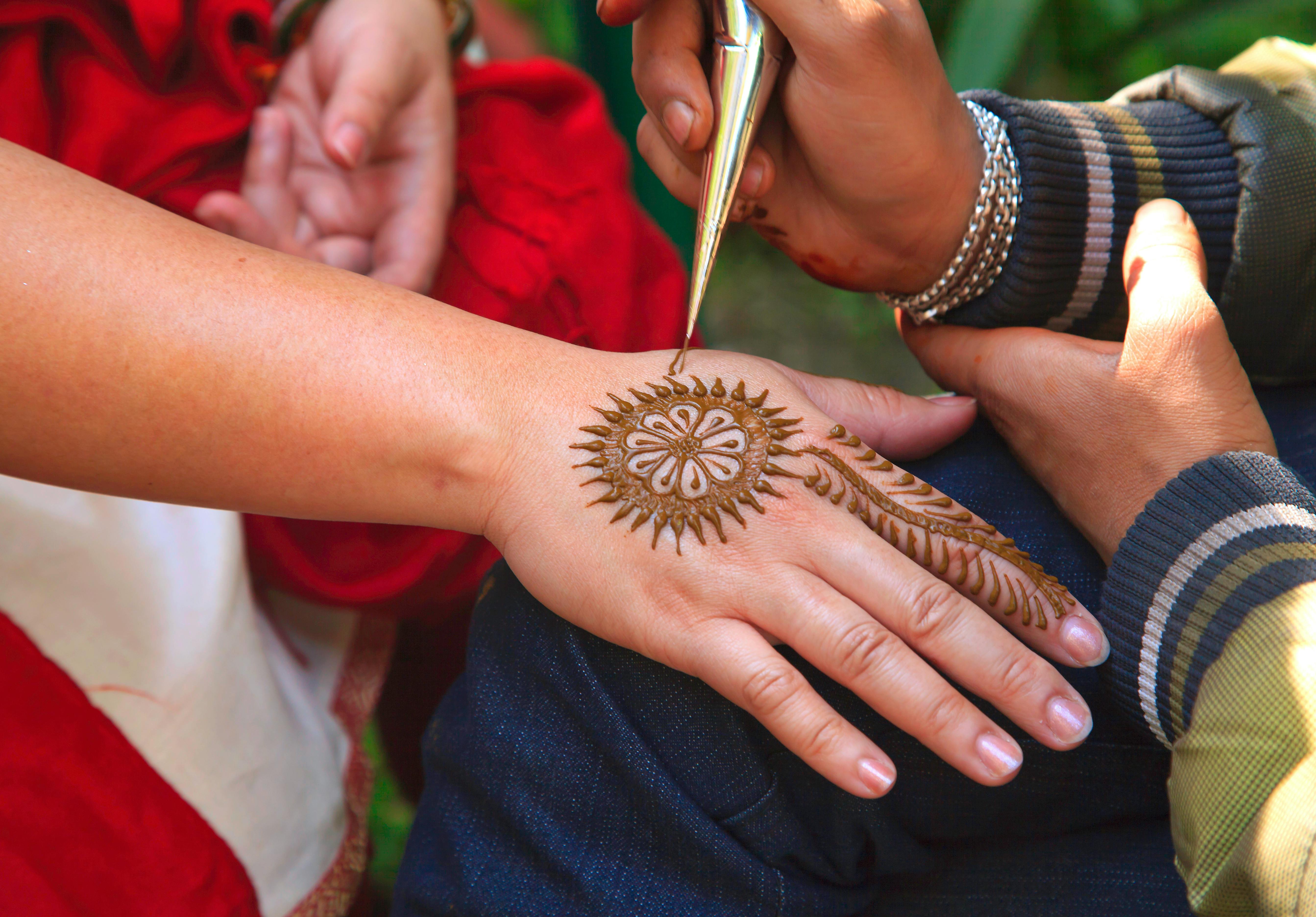


The intricate, swirling patterns of mehndi and henna have transformed from ancient tradition to vibrant cultural expression, weaving together heritage and innovation across American cities. For Indian-Americans, henna art represents far more than temporary body decoration, but also serves as a living bridge connecting generations, preserving ancestral wisdom while embracing contemporary creativity.
From bustling wedding preparation rooms in New Jersey to Diwali celebrations in California, the aromatic paste of crushed henna leaves continues to tell stories of identity, celebration, and community belonging. As Indian-American families navigate between traditional values and modern American life, mehndi emerges as a powerful symbol of cultural continuity.
The Sacred Origins and Cultural Significance of Mehndi
Henna art extends deep into Indian spiritual and cultural traditions, dating back over 5,000 years. Ancient texts describe mehndi as a blessing, with intricate designs believed to bring good fortune, protection, and prosperity to those who wear it. The cooling properties of henna paste also served practical purposes in India's hot climate, providing relief and natural conditioning for skin and hair.
Traditional Indian weddings place mehndi at the ceremonial heart of matrimonial celebrations. The bride's mehndi ceremony, typically held one or two days before the wedding, transforms into a joyous gathering where female relatives and friends share stories, sing traditional songs, and create elaborate designs on the bride's hands and feet. The darker the henna stain, folklore suggests, the deeper the love between bride and groom.
Religious festivals throughout the year incorporate mehndi as expressions of devotion and celebration. During Karva Chauth, married women apply henna designs while praying for their husbands' longevity. Eid celebrations see Muslim families adorning their hands with beautiful patterns, while Diwali gatherings often feature mehndi stations where community members share in the artistic tradition.
Indian-American Wedding Celebrations and Mehndi Ceremonies
Modern Indian-American weddings have elevated mehndi ceremonies into elaborate multi-day celebrations, often rivaling the wedding reception itself in scale and grandeur. Professional henna artists across the United States now specialize in bridal mehndi, creating designs that can take eight to twelve hours to complete.
Contemporary bridal mehndi incorporates personal touches that reflect the couple's American journey alongside traditional motifs. Artists weave in skylines of cities where couples met, university logos, or meaningful dates using English numerals hidden within intricate paisley and floral patterns. Some brides request portraits of their partners delicately integrated into the design, a modern twist on the traditional practice of hiding the groom's name within the henna patterns.
Indian-American families often host mehndi parties in rented halls or outdoor venues, complete with professional photographers, traditional music, and catered Indian cuisine. These events serve multiple purposes beyond the bride's decoration, offering opportunities for extended families scattered across the country to reconnect and for younger generations to engage with cultural practices.
The integration of American wedding planning styles has transformed these ceremonies into highly organized events with printed invitations, coordinated decorations, and scheduled entertainment. Yet the core spiritual significance remains intact, as elderly relatives continue sharing blessings and wisdom while applying henna to the bride's hands.
Festival Traditions and Community Celebrations
Indian communities celebrate numerous festivals throughout the year where henna application becomes a central activity, bringing families together. Diwali celebrations in Indian-American communities often feature mehndi stations where children and adults alike can receive traditional designs while learning about their cultural significance.
Diwali and Seasonal Celebrations
During Diwali, community centers and temples across America organize festival gatherings where professional henna artists offer their services alongside traditional food vendors and cultural performances. These events serve as cultural education opportunities, with artists explaining the meaning behind different henna motifs while creating designs.
Children born in America often experience their first meaningful connection to Indian heritage through these festival mehndi sessions. Parents use these moments to share stories about their own childhoods in India, creating emotional bridges across generations and geographical distances.
Religious and Cultural Festivals
Navratri celebrations feature specialized mehndi designs incorporating Gujarati folk motifs, while Punjabi communities during Karva Chauth create elaborate patterns specific to their regional traditions. Muslim Indian-Americans integrate mehndi into Eid celebrations, with designs often featuring geometric patterns and Arabic calligraphy alongside traditional Indian motifs.
These diverse festival traditions showcase the rich tapestry of Indian-American communities, each bringing its regional variations while participating in the broader cultural practice of henna art.
Modern Innovation and Artistic Evolution
Contemporary Indian-American henna artists have revolutionized traditional mehndi through innovative techniques, materials, and design approaches. Professional artists now use precision applicator bottles, creating finer lines and more detailed patterns than traditional cone methods allowed.
Fusion designs represent a growing trend where artists blend Indian motifs with American cultural symbols. Wedding mehndi might incorporate elements representing the couple's professions, like medical symbols for doctors, musical notes for musicians, or architectural elements for engineers, seamlessly integrated with traditional paisleys and floral patterns.
The rise of social media has transformed mehndi into a visual art form shared across digital platforms. Indian-American artists build followings by showcasing their work online, creating tutorials, and offering virtual consultations for clients across the country. This digital presence has elevated henna artistry from community service to a recognized artistic profession.
Modern practitioners also experiment with organic and natural henna alternatives, developing formulations that create longer-lasting stains or unique color variations while maintaining the traditional benefits of pure henna paste.
Professional Mehndi Artists and Cultural Entrepreneurship
The growing demand for authentic Indian wedding traditions in America has created thriving businesses for professional mehndi artists. Many Indian-American women have transformed their traditional skills into successful enterprises, serving both their immediate communities and broader American audiences curious about henna art.
Professional mehndi artists often travel extensively, serving Indian-American weddings across multiple states and building client relationships that span generations. These entrepreneurs frequently collaborate with wedding planners, photographers, and venues to create comprehensive cultural wedding experiences.
Training and certification programs have emerged, with experienced artists teaching traditional techniques alongside business skills. These programs help preserve authentic methods while encouraging artistic innovation and professional development within Indian-American communities.
The entrepreneurial aspect extends beyond individual artists to include henna supply businesses, specialized tools and accessories, and educational workshops that introduce non-Indian Americans to the art form while maintaining cultural respect and authenticity.
Cultural Preservation and Identity Expression
For third and fourth-generation Indian-Americans, mehndi serves as a tangible connection to ancestral heritage that might otherwise feel distant. Young Indian-American women often describe the meditative process of henna application as a moment of cultural grounding, connecting them to generations of women who participated in the same traditions.
Like the enduring narratives found in the evolution of Panchatantra tales, mehndi traditions adapt while preserving core cultural values. The art form continues evolving within Indian-American communities, incorporating new influences while maintaining spiritual and cultural significance.
Cultural preservation efforts include documenting regional design variations, teaching traditional techniques to younger generations, and maintaining the spiritual aspects of henna application alongside its aesthetic appeal. Community centers and cultural organizations often organize workshops where elderly community members share their knowledge with younger participants.
The practice also connects to broader Indian cultural traditions, much like understanding the sacred symbolism found in traditional dress or appreciating ancient healing practices that continue thriving in American Indian communities.
Mehndi's Enduring Cultural Legacy
The story of mehndi among Indian-Americans illustrates how cultural traditions can flourish and evolve while maintaining their essential spiritual and community significance. From ancient wedding rituals to modern fusion artistry, henna continues serving as a powerful expression of identity, creativity, and cultural pride. As new generations of Indian-Americans embrace and innovate within this tradition, mehndi remains a vibrant thread connecting past and present, tradition and innovation.
Professional artists, community celebrations, and family traditions ensure that these traditional practices will continue enriching Indian-American cultural life for generations to come.
Visit United Tribes today and find out more about Indian culture and community celebrations that keep these beautiful traditions alive across America.


