
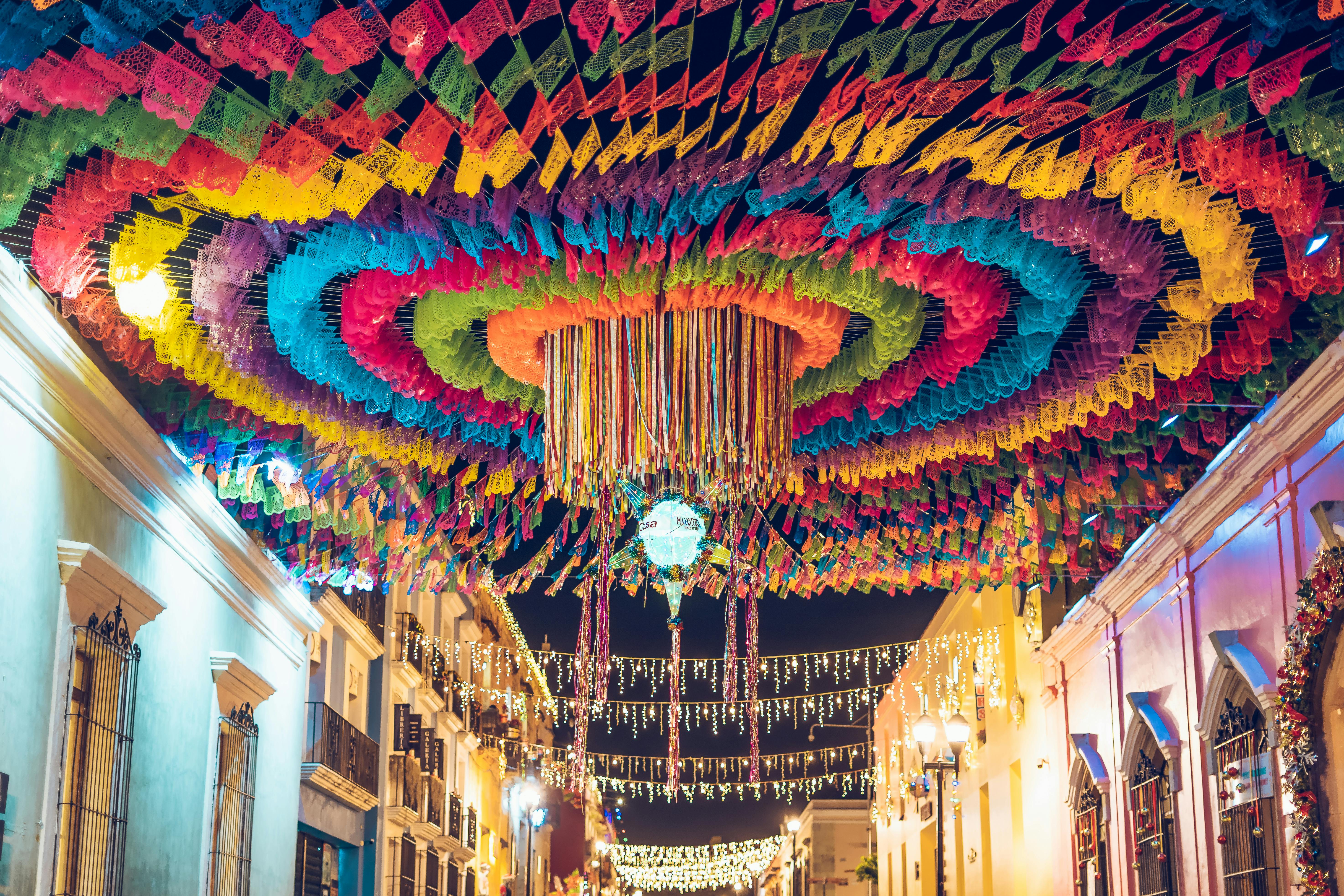

The delicate, colorful tissue paper banners known as papel picado flutter through Mexican celebrations like prayers made visible. These intricate decorations carry centuries of cultural significance, transforming ordinary spaces into sacred environments where the spiritual and earthly worlds connect. For Mexican-American communities across the United States, papel picado represents a tangible link to ancestral traditions and cultural identity.
The art of papel picado combines indigenous Mesoamerican symbolism with Spanish colonial influences, creating a uniquely Mexican form of expression. Each carefully cut design tells a story, communicates a blessing, or honors a tradition passed down through generations. Understanding the deeper papel picado meaning reveals how these seemingly simple decorations carry profound cultural weight in Mexican celebrations.

Welcome to United Tribes
Where Mexican Culture Comes Alive
Join Your Tribe
Connect with your people
Discover Events
Watch parties & festivals
Find Mexican Businesses
Restaurants, markets & more
Earn Crown Credits
Get rewarded for engaging
Origins and Historical Significance of Papel Picado
The roots of papel picado stretch back to pre-Columbian Mexico, where indigenous peoples created similar decorative banners using bark paper called amate. These early versions served religious purposes, decorating temples and ceremonial spaces during important rituals. The Aztecs and other Mesoamerican civilizations believed that the movement of these paper decorations in the wind helped carry prayers and offerings to the gods.
When Spanish colonizers arrived in the 16th century, they introduced tissue paper and new cutting techniques. Mexican artisans adapted these materials and methods, blending them with indigenous traditions to create the papel picado we recognize today. This fusion represents the broader cultural mixing that defines Mexican identity—a harmonious blend of indigenous and European influences.
The name "papel picado" literally translates to "perforated paper" or "pecked paper," referring to the intricate cutting process used to create the designs. Traditional artisans use small chisels called fierritos to cut through multiple layers of tissue paper simultaneously, creating identical banners with remarkable precision. This technique allows skilled craftspeople to produce dozens of identical pieces quickly, making papel picado accessible for large celebrations.
Over time, different regions of Mexico developed their own distinctive styles and color preferences. The state of Puebla became particularly renowned for its papel picado artisans, with techniques passed down through family lines for generations. Today, these regional variations continue to flourish in Mexican decorations found throughout Mexican-American communities in the United States.
Traditional Designs and Their Sacred Meanings
Each symbol and pattern found in papel picado carries a specific meaning rooted in Mexican culture and spirituality. Flowers represent the beauty and fragility of life, while also symbolizing renewal and the eternal cycle of seasons. Roses specifically honor the Virgin of Guadalupe, Mexico's patron saint, making them particularly meaningful in religious celebrations.
Birds frequently appear in papel picado designs, representing messengers between the earthly and spiritual realms. Doves symbolize peace and the Holy Spirit in Christian contexts, while hummingbirds connect to indigenous beliefs about these creatures carrying the souls of warriors to the afterlife. The inclusion of birds in papel picado helps facilitate communication between the living and departed loved ones.
Skeletal figures and skulls might seem macabre to outsiders, but in Mexican culture, these images celebrate rather than mourn death. Known as calaveras, these designs reflect the indigenous understanding that death is simply another phase of existence. During Día de los Muertos celebrations, papel picado featuring calaveras creates a joyful atmosphere that welcomes deceased family members back to the world of the living.
Religious symbols also play crucial roles in papel picado designs. Crosses obviously represent Christianity, but in Mexican papel picado, they often incorporate indigenous elements like feathered serpents or solar symbols. Hearts symbolize love, devotion, and the sacred heart of Jesus, while also connecting to pre-Columbian beliefs about the heart as the seat of the soul.
Regional Variations in Design Elements
Different Mexican states have developed distinctive papel picado styles that Mexican-American communities maintain in their celebrations. Pueblan papel picado tends to feature more intricate religious imagery and uses traditional color combinations of purple, pink, and yellow. Veracruz artisans often incorporate maritime themes reflecting their coastal location, while Oaxacan designs frequently include indigenous Zapotec and Mixtec symbols.
These regional differences help Mexican-American families maintain connections to specific ancestral homelands. When communities in cities like Los Angeles or Chicago create papel picado USA celebrations, they often choose designs that reflect their families' particular Mexican origins, preserving regional traditions across borders.
Papel Picado in Día de los Muertos Celebrations
Perhaps no celebration showcases the spiritual significance of papel picado more powerfully than Día de los Muertos (Day of the Dead). During this sacred time, papel picado transforms homes, cemeteries, and community spaces into welcoming environments for returning souls. The banners create pathways that guide departed loved ones back to their families, while their gentle movement in the breeze represents the presence of spirits.
Traditional Día de los Muertos papel picado incorporates specific colors with distinct meanings. Purple represents mourning and the Catholic liturgical color for death, while pink celebrates the joy of remembering loved ones. Yellow and orange connect to marigold flowers (cempasúchil), which indigenous beliefs hold can guide souls with their vibrant color and strong scent. White symbolizes purity and hope, while black acknowledges the reality of death without fear.
The placement of papel picado during Día de los Muertos follows traditional protocols that enhance its spiritual function. Banners typically stretch above ofrendas (altars) and hang in doorways, windows, and along paths leading to gravesites. This creates a sacred geography that welcomes souls while protecting the living space from negative energies.
Creating Sacred Spaces with Papel Picado
Mexican-American families across the United States use papel picado to transform their homes into sacred spaces during Día de los Muertos. The decorations help children and adults alike connect with ancestral traditions while adapting to American contexts. Many families combine traditional papel picado with photographs, candles, and favorite foods of deceased relatives, creating personalized ofrendas that honor both Mexican traditions and individual family histories.
Community celebrations in Mexican-American neighborhoods often feature collaborative papel picado creation, where families gather to cut designs together. These community workshops strengthen cultural bonds while ensuring traditional techniques are passed to younger generations. The shared activity of creating Mexican decorations becomes itself a form of cultural preservation and community building.
Wedding and Festive Celebrations
Beyond Día de los Muertos, papel picado plays essential roles in Mexican wedding celebrations, where it transforms venues into festive environments that invoke blessings on the couple. Wedding papel picado typically features symbols of love, fertility, and prosperity, including hearts, doves, flowers, and interlinked rings. These designs call upon divine protection for the marriage while creating a joyful atmosphere for guests.
The colors chosen for the wedding papel picado carry specific meanings related to marriage and blessing. White represents purity and new beginnings, red symbolizes passionate love and fertility, gold indicates prosperity and divine blessing, while green represents hope and growth in the relationship. The combination of these colors in papel picado banners creates a visual prayer for the couple's future happiness.
Traditional Mexican weddings often incorporate papel picado into multiple elements of the celebration. During the ceremony, banners may hang above the altar or create an archway through which the couple processes. At the reception, papel picado decorates the dance floor, dining areas, and often incorporates the couple's names or wedding date into the designs.
Modern Adaptations in Mexican-American Weddings
Mexican-American couples increasingly blend traditional papel picado with contemporary wedding aesthetics, creating unique celebrations that honor heritage while reflecting personal style. Many couples choose papel picado in non-traditional colors that match their wedding themes, or incorporate modern symbols like cameras, cars, or other elements that represent their shared interests.
Professional papel picado artists in Mexican-American communities have developed businesses creating custom designs for weddings and other celebrations. These entrepreneurs help preserve traditional techniques while adapting to modern celebration needs, ensuring papel picado remains relevant for new generations of Mexican-Americans.
Cultural Preservation in Mexican-American Communities
Throughout the United States, Mexican-American communities use papel picado to maintain cultural connections and teach younger generations about their heritage. These celebrations often serve as cultural education opportunities, where community elders share stories about the meanings behind different designs and demonstrate traditional cutting techniques.
Schools with significant Mexican-American populations frequently incorporate papel picado creation into cultural education programs. These activities help all students learn about Mexican culture while giving Mexican-American children pride in their heritage. The hands-on nature of papel picado creation makes it particularly effective for engaging young learners with cultural concepts.
Community organizations and cultural centers across the United States offer papel picado workshops as part of broader cultural preservation efforts. These programs ensure traditional techniques continue to flourish while adapting to American contexts and materials. Many workshops emphasize the spiritual and cultural meanings behind different designs, helping participants understand papel picado as more than mere decoration.
Preserving Living Mexican Traditions Through Papel Picado
The art of Papel picado embodies the living spirit of Mexican culture, connecting communities across borders and generations. Through its intricate symbolism and sacred functions, papel picado helps Mexican-American communities maintain vital links to ancestral traditions while adapting to modern American life. Each carefully cut design carries forward centuries of cultural wisdom, spiritual beliefs, and artistic expression.
The continued prominence of papel picado in Mexican celebrations demonstrates the resilience of cultural traditions in diaspora communities. As Mexican-American families gather to create these meaningful decorations, they participate in ancient practices while building contemporary community bonds. This living tradition ensures that future generations will understand their cultural heritage through both intellectual knowledge and hands-on experience.
Visit United Tribes today and find out more about Mexican culture and community celebrations that keep traditions like papel picado alive and thriving across the United States.
Make United Tribes Your Preferred Source
Add United Tribes on Google to get the latest stories, cultural updates, and community events directly in your Google Search and Top Stories.


