
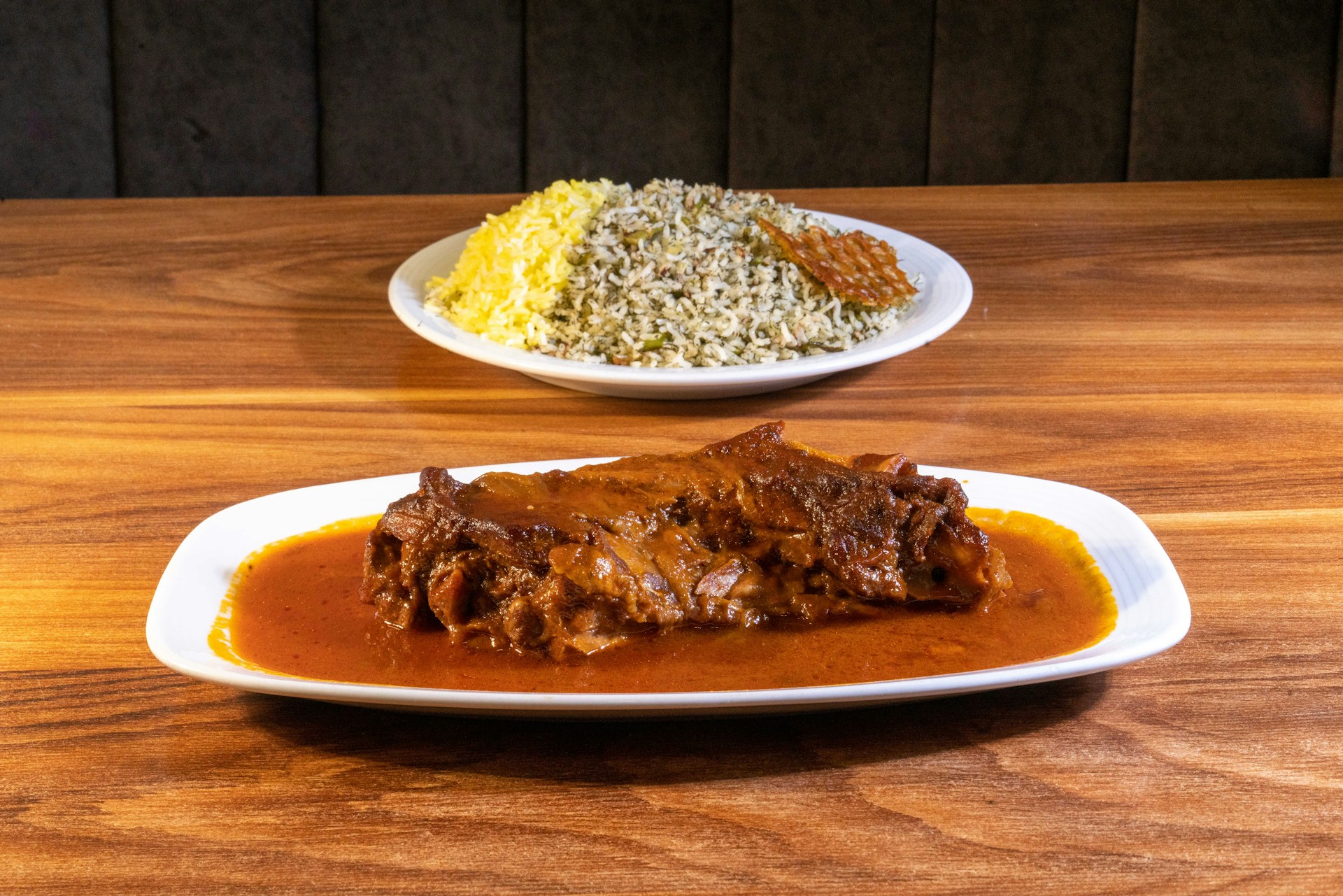

Aroma, balance, and tradition make Persian cuisine delightful and authentic. If you’ve always wanted to recreate and enjoy Persian dishes at home, many cooks and food bloggers have shared helpful tips. Read on to uncover the generational Persian cooking secrets that’ll help you achieve Persian cuisine’s deep, layered flavors.
Rice: The Heart of Persian Meals
Rice completes many Persian dishes. Cooking it perfectly is the key to authentic and delicious Persian rice dishes.

Welcome to United Tribes
Where Persian Culture Comes Alive
Join Your Tribe
Connect with your people
Discover Events
Watch parties & festivals
Find Persian Businesses
Restaurants, markets & more
Earn Crown Credits
Get rewarded for engaging
Cook Rice the Right Way
Before cooking a Persian rice dish, it’s essential to soak your rice for at least 30 minutes and then rinse it. This way, you’ll get an incredible aroma once your dish is served. Place the rice in a container lined with a fine mesh strainer for easier washing and rinsing.
Alternatively, you could steam some rice. Use a pot with a lid wrapped in a dish towel to allow the grains to thicken and separate. The result? Fluffy Persian rice for your dishes. We recommend steaming rice in a non-stick pot and, if you don’t have a dish towel, wrapping the lid in a cloth bonnet.
Achieve a Crispy Golden Crust
For rice with a crispy golden crust, a 5-quart non-stick pot is perfect. Check out Swiss Diamond if you’re looking for this kind of pot.
Another excellent option is a Persian-style rice cooker with a non-stick mold and thermostat settings for a golden crust. Plus, fixed temperatures give you well-cooked rice every time. You can get Persian-style rice cookers from Persian markets or the Persian rice cooker brand Pars.
Herbs & Spices: Another Great Secret to Yummy Dishes
Instead of heat, Persian cooks add aroma and balance to their dishes with fresh herbs and carefully chosen spices. Here’s how to use both for delicious Persian food.
Choose Fresh Herbs
Many Persian cooking tips from grandma recommend using fresh herbs over dried ones. After all, they make Persian dishes healthy.
If you’re in the mood for stews, fresh ingredients like finely chopped green herbs make an excellent base. Fresh herbs are also perfect for dishes such as Sabzi Polo, which is cooked for Nowruz (Persian New Year) alongside ash reshteh or Persian noodle soup and a herb frittata called kuku sabzi.
Pick the Right Spices
You’ve got a full range of Persian spices to choose from, but these spices stand out from the rest:
- Saffron - a spice extracted from the stigma of the crocus flower (We’ll show you how to use it in the next section.)
- Dried limes - typically added to stews to achieve a smoky, sour flavor
- Sumac - a sour spice that mixes citrus notes with saltiness for a highly flavorful taste
- Ginger - Dried ginger makes chicken, aubergine, and lentil dishes comforting.
- Coriander seeds - Persian dishes with toasted and crushed coriander seeds taste lemony and somewhat nutty.
- Cinnamon - the best spice for pudding and meat
- Turmeric - a spice taken from the Curcuma longa that adds earthy and mustard-like flavor to various Persian dishes
- Saffron: The “Liquid Gold” of Persian Cuisine
Saffron: The “Liquid Gold” of Persian Cuisine
Saffron is considered to be the star of Persian dishes. However, it’s not just an excellent addition to traditional Persian recipes. Keep reading to learn how to make tastier dishes with saffron.
Grind & Brew Saffron Correctly
Before adding saffron, crush it (and a pinch of sugar) with a mortar and pestle. Then, steep it in hot water for 10 minutes. This method distributes color and aroma well.
Use Saffron Sparingly
Sometimes, you need to save saffron for certain Persian dishes. If you’re making zereshk polo, just add a few tablespoons of brewed saffron. Do this step after cooking for a consistently fragrant dish.
Getting Authentic Flavors with Slow Cooking Techniques
Grandma’s secret Persian cooking tips also tell us to be patient. This goes for cooking stews since they’re not meant to be rushed.
Go Low & Slow
Once you’ve thrown your stew in a pot, let it cook over low heat for several hours. It’ll combine the flavors of meat, herbs, and spices for a flavorful dish.
Additionally, remember to trim excess fat from your meat. You’ll get cleaner-tasting meat as you dig into your stew.
Let the Rice Rest
Just like stews, rice dishes should rest a little before serving.
If you’ve made steamed rice, don’t remove the pot from your stove. Wait 10 to 15 minutes so that the rice can absorb flavor and moisture well. Serve your rice afterward.
Fruits & Nuts: Adding Flavor & Texture to Persian Dishes
Fruits and nuts make Persian dishes delightful, too. Excellent and tasty rice meals feature dried fruits, herbs, nuts, and legumes, while many eat walnuts for breakfast. Or, if you’re craving desserts, pomegranates, dates, and fresh fruits, make them more vibrant and sweet.
For yummier dishes with fruits and nuts, follow these Persian cooking tips from grandma.
Soak Dried Fruits Before Cooking
Whether you’re using barberries for zereshk polo or prunes for khoresh-e aloo, try soaking them in warm water or brewed saffron. They’ll plump up and add sweetness while your dishes cook.
Toast Nuts for Tastier Dishes
Lightly toast slivered almonds, pistachios, or walnuts before seasoning Persian dishes with them. This simple step makes everything crunchy and nuttier.
Balance: Another Key to Tasty Meals
When cooking Persian food, balance is essential. Each dish should fall between sweet and sour, warm and cool, and rich and light.
Know When to Use Different Ingredients
Generational Persian cooking secrets also emphasize moderation. Read each recipe carefully and try not to stick to the same ingredients. You’d want to enhance your dishes rather than overwhelm everyone with excess flavors.
Taste as You Go
We’re sure your grandma has told the aspiring cooks in your family to “use your senses.” Take her advice and give each dish a little taste. Then, add some of your chosen ingredients until you get a delicious dish.
Making Persian cuisine requires paying close attention to each recipe. It’s the secret to flavorful yet balanced dishes.
Essential Persian Ingredients to Stock in Your Pantry
Some of the ingredients used for Persian dishes can be found in your pantry. But if you don’t have them (or other basic ingredients), you can go on a fun trip to a Persian market near you or buy what you need from online stores. Our pro tip: Find these stores using an online business listings directory.
Ideally, your shopping list should include the following ingredients:
- Fine sea salt
- Whole peppercorns for freshly ground pepper
- Turmeric
- Advieh (Persian spice blend)
- Dried limes for depth in stews
- Sumac powder
- Ground Persian hogweed seeds
- Dried mint
- Dried fenugreek leaves
- Cardamom
- Red pepper flakes
- Cayenne pepper
- Extra-virgin olive oil
- Aged Basmati rice
- Tamarind and tomato paste
- Grape, pomegranate, and date molasses
- Dried barberries (zereshk)
- Apple cider vinegar
- Lentils
- Red beans
- Chickpeas
- Yellow split peas
- Fava beans (frozen and without their second skins)
- Almond and pistachio slivers
- Almond, chickpea, rice, and sprouted wheat flours
Having the ingredients we’ve listed above in your pantry makes it easier to cook Persian recipes whenever you want.
Satisfy Your Cravings for Delicious Persian Food Today
Persian communities don’t just cook and eat food to nourish their bodies. They also do both to stay connected with their roots, recall precious memories, and celebrate special moments in their lives.
Persian cooks use traditional techniques to make meals full of heart and heritage. When you master these long-standing methods, you’ll find yourself cooking delicious food and preserving a rich culinary tradition.
Want to learn more about Persian cuisine? Visit the United Tribes blog or our Iran and Persia community page today.
Make United Tribes Your Preferred Source
Add United Tribes on Google to get the latest stories, cultural updates, and community events directly in your Google Search and Top Stories.


