
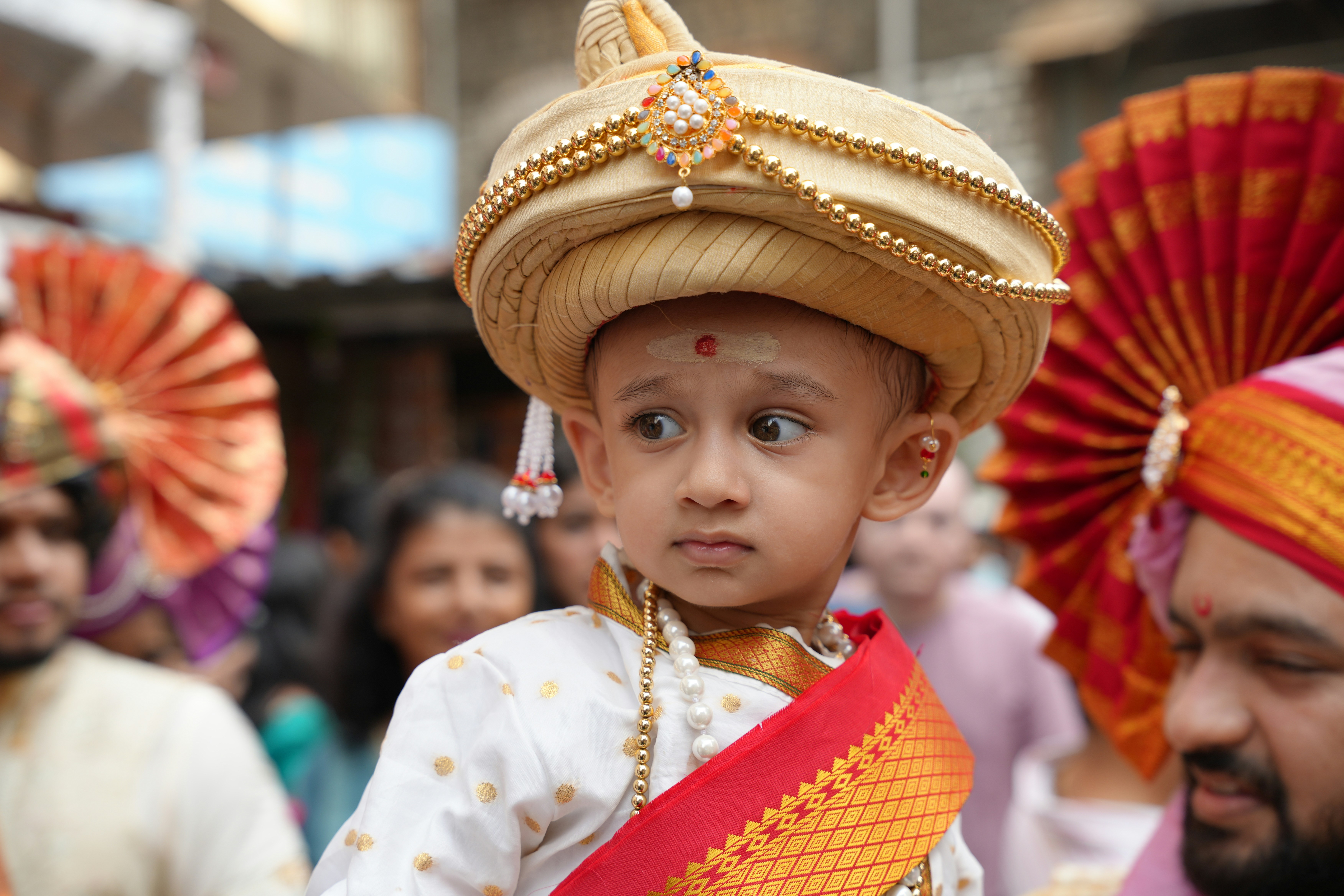

As spring arrives in late March 2026, millions of Indians across the globe will gather to celebrate the arrival of a new year - not once, but through two beautiful festivals that share common roots yet express unique regional flavors. Ugadi 2026 date falls on March 17, marking the beginning of the Telugu and Kannada calendar year, while Gudi Padwa will be celebrated on the same day, welcoming the Marathi New Year. These Indian New Year celebrations in March represent more than calendar changes; they embody renewal, hope, and the rich tapestry of cultural traditions that bind communities.
Understanding the Shared Origins and Significance
Ugadi and Gudi Padwa both mark the beginning of the traditional Hindu lunar calendar, typically falling in March or April. The word "Ugadi" derives from the Sanskrit words "yuga" (age) and "adi" (beginning), literally meaning "the beginning of a new age." Similarly, "Gudi Padwa" combines "gudi" (flag or banner) and "padwa" (the first day of the lunar fortnight), symbolizing victory and prosperity.

Welcome to United Tribes
Where Indian Culture Comes Alive
Join Your Tribe
Connect with your people
Discover Events
Watch parties & festivals
Find Indian Businesses
Restaurants, markets & more
Earn Crown Credits
Get rewarded for engaging
These festivals share several fundamental themes that resonate across different Indian communities. Renewal and fresh beginnings form the cornerstone of both celebrations, as families clean their homes, wear new clothes, and prepare special foods to welcome positive energy. The concept of time's cyclical nature is central to both traditions, acknowledging that endings lead to new beginnings in an eternal cycle of growth and transformation.
Both celebrations also emphasize community bonding and family gatherings. Relatives travel from distant places to be together, strengthening familial ties while passing down cultural knowledge to younger generations.
The agricultural significance cannot be overlooked, as both festivals originally celebrated the spring harvest, when farmers assessed their yields and prepared for the upcoming agricultural cycle. Today, this translates into a broader celebration of professional and personal growth, making these festivals relevant for modern urban communities.
Regional Differences: Telugu, Kannada, and Marathi Traditions
Although they share common origins, Ugadi and Gudi Padwa have evolved distinct regional characteristics that reflect the unique cultural landscapes of their respective communities.
Ugadi Celebrations in Telugu and Kannada Communities
In Telugu and Kannada households, Ugadi preparations begin several days in advance with thorough house cleaning and decoration. Families create intricate rangoli designs using colored rice flour, flower petals, and turmeric at their doorsteps to welcome prosperity. Mango leaves and flowers adorn doorways, symbolizing new growth and auspiciousness.
The Telugu tradition emphasizes the "Pachadi" - a unique mixture of six tastes representing different emotions and experiences of life. This symbolic dish combines neem flowers (bitterness), jaggery (sweetness), tamarind (sourness), green chili (spice), salt (saltiness), and raw mango (tanginess). Each family member tastes this mixture first thing in the morning, accepting that the new year will bring a complete spectrum of experiences.
Kannada communities often focus on the "Panchanga Shravanam" - the reading of the new year's astrological predictions. Community elders gather to hear predictions for the upcoming year regarding rainfall, harvests, and general prosperity. This tradition maintains the connection between cosmic events and daily life.
Gudi Padwa in Marathi Communities
Marathi families celebrate Gudi Padwa with the iconic "Gudi" - a bright silk cloth tied to a bamboo stick, topped with a silver or copper pot, neem leaves, and a garland of flowers and mango leaves. This decorated pole is erected outside homes or in courtyards, symbolizing victory and warding off evil influences.
The Gudi represents Lord Brahma's flag, signifying the creation of the universe and King Shalivahana's victory. Many Marathi families trace their celebration back to this historical victory, adding layers of cultural pride to the religious observance.
Traditional folk dances and music play a larger role in Gudi Padwa celebrations, with communities organizing cultural programs featuring Lavani performances and traditional Marathi songs. These artistic expressions help preserve linguistic and cultural heritage while creating joyful community experiences.
Essential Rituals and Ceremonies
Both festivals share similar ritual structures, with regional variations reflecting local customs and beliefs.
Morning Preparations and Sacred Practices
The day begins before sunrise with ritual bathing using special oils and herbal preparations. Families often add neem leaves, turmeric, and aromatic oils to their bath water, believing these ingredients purify the body and spirit for the new year ahead.
Home sanctification follows, with family members sprinkling holy water throughout the house while chanting prayers or mantras. This practice cleanses the living space of negative energies accumulated over the past year and prepares it to receive new blessings.
The puja ceremony forms the spiritual centerpiece of both celebrations. Families arrange their prayer areas with fresh flowers, incense, oil lamps, and special offerings. The specific deities honored may vary by region: some focus on Lord Brahma as the creator, others on Lord Vishnu as the preserver, and still others on regional deities that hold particular significance for their communities.
Community and Family Gatherings
Intergenerational storytelling plays a crucial role in both festivals, as elders share family histories, cultural legends, and personal experiences with younger family members. These conversations often occur during meal preparation or while creating decorations, naturally weaving cultural education into festive activities.
Many families organize charitable giving on these auspicious days, donating food, clothes, or money to those in need. This practice reinforces the festivals' themes of renewal and positive karma while strengthening community bonds beyond family circles.
Traditional Foods and Their Cultural Significance
Ugadi festival foods are among the most cherished aspects of these celebrations, with each dish carrying a symbolic meaning and showcasing regional culinary traditions.
Sweet Preparations and Their Meanings
Puran Poli remains the most iconic Gudi Padwa sweet, featuring a thin wheat flatbread filled with sweetened lentil paste, cardamom, and saffron. The golden color represents prosperity, while the sweet filling symbolizes the sweetness families hope to experience in the coming year. Preparation often becomes a multigenerational activity, with grandmothers teaching traditional techniques to younger family members.
Telugu and Kannada families prepare Holige or Obbattu, their regional variation of stuffed sweet bread, often incorporating coconut, jaggery, and ghee. Preparation methods vary slightly across families, with each household claiming its grandmother's recipe produces the most authentic flavor.
Payasam or Kheer variations appear on both festival menus, prepared with rice, vermicelli, or lentils cooked in milk with sugar, cardamom, and nuts. These creamy desserts represent abundance and are often the first foods offered to deities during morning prayers.
Savory Dishes and Symbolic Elements
The famous Ugadi Pachadi deserves special attention for its philosophical significance. Beyond its symbolic six tastes, this mixture teaches acceptance and balance, reminding celebrants that life contains both pleasant and challenging experiences. Families often prepare large batches to share with neighbors and friends, spreading the festival's message throughout their communities.
Traditional rice preparations are a highlight of both celebrations, with families preparing pulihora (tamarind rice), coconut rice, and vegetable biryani. These dishes often incorporate seasonal vegetables and aromatic spices, celebrating the spring harvest and agricultural abundance.
Many families also prepare traditional pickles and chutneys using seasonal ingredients like raw mangoes, neem flowers, and fresh herbs. These preserves extend the festival's flavors year-round while showcasing traditional food-preservation techniques.
Celebrating at Home: Modern Adaptations
Learning how to celebrate Ugadi at home in contemporary settings requires balancing traditional elements with practical considerations, especially for diaspora families living far from extended communities.
Creating Sacred Spaces in Modern Homes
Urban apartments and suburban homes may lack traditional courtyards or gardens, but families can still create meaningful sacred spaces. Apartment balconies can accommodate smaller Gudi decorations, while indoor prayer areas can be enhanced with traditional elements like brass lamps, flower arrangements, and colorful fabrics.
Many families establish temporary ritual spaces by clearing and decorating dining areas or living rooms, transforming everyday spaces into sacred environments for the day's ceremonies. This flexibility demonstrates how traditions can adapt to contemporary living situations without losing their essential meaning.
Involving Children and Preserving Traditions
Educational activities help children understand the significance of the festival beyond mere celebration. Parents often explain the astronomical events behind the festivals, the historical contexts of regional traditions, and the symbolic meanings of foods and decorations. These conversations build lasting cultural connections and foster children's appreciation of their heritage.
Hands-on participation engages children in meaningful ways, from helping prepare traditional foods to creating decorations and learning simple prayers or songs. Many families establish special roles for children, such as helping elderly relatives or leading certain parts of ceremonies, which builds their confidence while teaching responsibility.
Embracing New Beginnings Together
Whether you're preparing traditional Pachadi, erecting a beautiful Gudi, or gathering virtually with distant relatives, these festivals remind us that honoring our heritage strengthens our identity while building bridges to future generations. The shared themes of renewal, gratitude, and hope that characterize both celebrations speak to universal human experiences while maintaining the unique cultural flavors that make Indian traditions so rich and diverse.
Visit United Tribes today and find out more about Indian culture and community celebrations, connecting with others who share your heritage and discovering new ways to honor traditional festivals in contemporary life.
Make United Tribes Your Preferred Source
Add United Tribes on Google to get the latest stories, cultural updates, and community events directly in your Google Search and Top Stories.


