
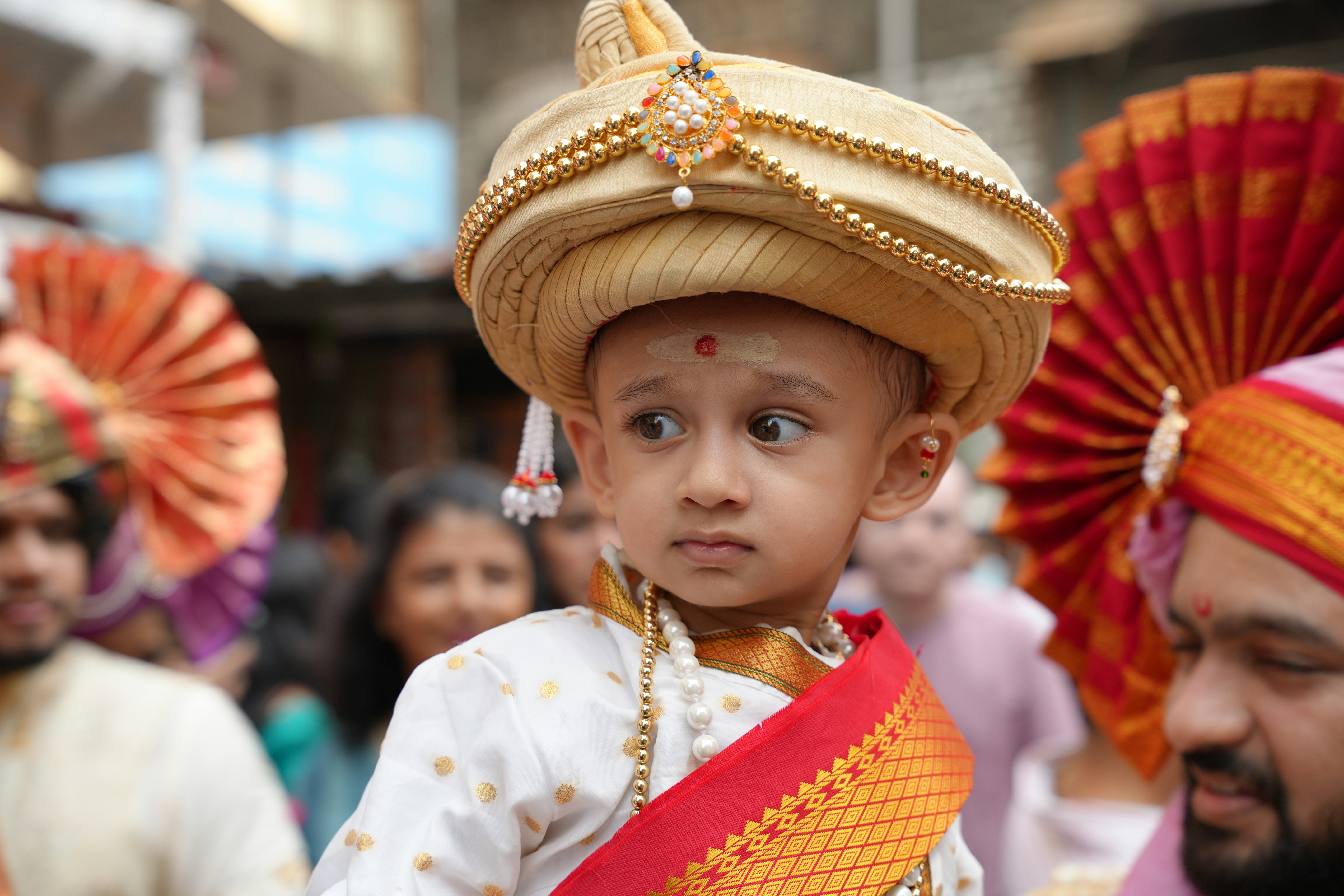


As spring arrives in April 2026, Indian communities across the United States prepare to welcome the new year with spectacular Ugadi cultural programs that showcase the rich traditions of Andhra Pradesh and Telangana. The significance of these cultural shows extends beyond entertainment, creating platforms for communities to strengthen bonds, share stories, and ensure that younger generations understand their cultural roots.
The Cultural Significance of Ugadi Celebrations in America
Ugadi, meaning "the beginning of an age," marks the traditional new year for Telugu-speaking communities and holds profound spiritual and cultural importance. In the diaspora context, these celebrations become even more meaningful, serving as annual reunions that reinforce cultural identity and community solidarity. The festival's timing in spring symbolizes renewal, making it an ideal opportunity for Indian cultural performances that blend traditional elements with contemporary expressions.
Telugu Heritage Preservation through Ugadi celebrations has become a cornerstone of Indian American identity. Community elders often share how these gatherings help maintain linguistic traditions, as children hear Telugu songs, witness classical performances, and participate in cultural activities that might otherwise be lost in their daily American experiences. The cultural programs planned for April 2026 emphasize this preservation mission while embracing innovative approaches to engage younger audiences.
Community Bonding occurs naturally during these celebrations as families from diverse professional backgrounds come together to volunteer, perform, and participate. The preparation process itself – from organizing rehearsals to coordinating traditional decorations – creates networks of support that extend far beyond the festival dates.
Musical Performances: Traditional Meets Contemporary
The Ugadi cultural programs will feature an impressive array of musical performances that span classical, devotional, and contemporary genres. Indian associations across major metropolitan areas are planning concerts that showcase both established artists and emerging talents within their communities.
Classical Carnatic Music Presentations
Carnatic music concerts form the spiritual backbone of many Ugadi celebrations, with renowned local musicians and visiting artists from India presenting traditional compositions. These performances typically include ragam-tanam-pallavi presentations, devotional songs honoring Lord Brahma (considered the creator and patron of Ugadi), and pieces celebrating spring and themes of renewal.
Community music groups have been preparing special group presentations that allow multiple generations to participate together. Children learning Carnatic music will perform alongside experienced musicians, creating touching moments that exemplify cultural transmission. Several associations are planning thematic concerts focusing on compositions related to time, seasons, and new beginnings – themes that align perfectly with Ugadi's symbolic meaning.
Folk Music and Regional Songs
Telugu folk traditions will feature regional songs from across Andhra Pradesh and Telangana. These performances often include interactive elements in which audiences participate in choruses, creating an immersive experience that evokes the atmosphere of village celebrations.
Burrakatha storytelling, accompanied by traditional percussion instruments, will educate audiences about mythological stories and historical legends while entertaining them with rhythmic narratives. Several groups are preparing presentations that specifically address the diaspora experience, adapting traditional folk formats to tell contemporary stories about immigration, cultural preservation, and community building.
Dance Performances: Storytelling Through Movement
Cultural performances during Ugadi will showcase the full spectrum of Indian classical and folk dance traditions, with particular emphasis on forms originating from Telugu regions.
Classical Dance Showcases
Kuchipudi performances will undoubtedly be highlights of many celebrations, given this dance form's origins in Andhra Pradesh. Local dance schools and individual performers are preparing elaborate presentations that include both traditional pieces and innovative choreographies addressing contemporary themes. These performances often feature elaborate costumes, live musical accompaniment, and dramatic storytelling that captivates audiences regardless of their familiarity with classical Indian arts.
Bharatanatyam presentations by community dancers will complement Kuchipudi performances, often exploring similar mythological themes through different stylistic approaches. Many programs will feature fusion pieces that blend classical techniques with contemporary music, appealing particularly to younger audience members while maintaining artistic integrity.
Folk Dance Celebrations
Group folk dances encourage widespread community participation, with many associations organizing workshops leading up to their main celebrations. These preparation sessions serve dual purposes: teaching dance steps and fostering community interaction and bonding. Popular forms include Dhimsa, Kolattam, and Lambadi dances that celebrate agricultural cycles, seasonal changes, and community festivals.
Children's dance groups often steal the show with their enthusiastic performances of both classical and folk pieces. Many associations prioritize youth participation, understanding that these early performance experiences create lasting connections to cultural traditions.
Community Participation and Volunteer Engagement
The success of Ugadi cultural programs depends heavily on extensive community volunteer networks that begin organizing months in advance. These volunteer efforts represent community building in action, as people contribute their professional skills, creative talents, and time to create memorable celebrations.
Organizational Structure and Planning
Event committees typically include members with diverse skill sets: event planners, marketing professionals, artists, musicians, and community leaders who coordinate various program elements. The planning process itself becomes a celebration of community diversity, as people from different professional backgrounds collaborate on shared cultural goals.
Youth involvement in organizational activities helps ensure these events remain relevant and engaging for younger generations. Many associations establish student committees that handle social media promotion, coordinate peer participation, and suggest innovative program elements that bridge traditional and contemporary interests.
Behind-the-Scenes Contributions
Decoration teams work tirelessly to transform venues with traditional rangoli designs, mango-leaf garlands, and floral arrangements, creating authentic festival atmospheres. Many community members contribute family heirloom items, traditional brass vessels, and handmade crafts that enhance visual presentations.
Sound and technical support volunteers ensure that musical and dance performances receive proper amplification and lighting. These technical contributions are often overlooked but prove essential for successful large-scale events. Many associations have developed expertise in managing complex audio-visual requirements for their annual celebrations.
Educational Components and Cultural Workshops
Beyond entertainment, Indian community events will emphasize educational elements that help participants understand the deeper significance of Ugadi traditions and their relevance in contemporary American life.
Traditional Craft Demonstrations
Hands-on workshops will teach traditional crafts associated with Ugadi celebrations, including rangoli creation, traditional cooking techniques, and decorative arts. These interactive sessions appeal particularly to families with children, providing tangible skills that participants can use in their own home celebrations.
Cooking demonstrations featuring traditional Ugadi foods like pachadi (the special mixture of six tastes representing life's experiences) allow community members to learn authentic preparation methods. Many associations organize potluck-style sharing where families contribute traditional dishes, creating opportunities for recipe exchange and culinary networking.
Language and Literature Programs
Telugu language workshops help children and adults improve their speaking and reading abilities through engaging activities related to Ugadi traditions. These sessions often include storytelling, poetry recitation, and song learning, making language practice enjoyable rather than academic.
Cultural education sessions explain the astronomical and agricultural significance of Ugadi timing, helping participants understand how ancient wisdom remains relevant in modern contexts. These presentations often surprise audiences with the sophisticated knowledge systems underlying traditional celebrations.
Regional Variations and Local Adaptations
Ugadi communities have developed unique characteristics that reflect both traditional roots and local American influences, creating fascinating regional variations across different cities and states.
Metropolitan Area Celebrations
Major cities like New York, Los Angeles, Chicago, and the San Francisco Bay Area often feature large-scale productions with visiting artists from India, elaborate stage setups, and multi-day programming. These celebrations might include business networking events, professional development workshops, and community service initiatives that extend beyond cultural programming.
Smaller communities often create more intimate gatherings that emphasize personal connections and family-style participation. These celebrations frequently feature potluck meals, informal performance opportunities, and intergenerational storytelling, creating uniquely warm atmospheres.
Innovation and Tradition Balance
Many associations have developed creative approaches to maintaining authenticity while appealing to diverse audience interests. Bilingual programming ensures that English-speaking family members and friends can fully participate, while traditional elements remain prominently featured.
Technology integration has become increasingly sophisticated, with many events featuring live streaming for distant family members, social media coverage that extends celebration reach, and digital archives that preserve performances for future reference. These technological adaptations proved particularly valuable in recent years and continue to enhance accessibility.
The connections between traditional celebration and contemporary life mirror the experiences of other cultural communities that maintain festive traditions in American settings, adapting ancient practices to modern contexts while preserving essential cultural elements.
Celebrating Heritage Through Unity and Art
The Ugadi cultural programs across America represent far more than annual festivals – they embody the resilience and creativity of Indian diaspora communities committed to preserving their heritage while embracing their American futures. These celebrations demonstrate how traditional arts, music, and dance can thrive in new environments, creating bridges between generations and fostering understanding across cultural boundaries. The extensive community participation, innovative programming, and deep cultural significance of these events ensure that Telugu traditions will continue flourishing in American soil.
Visit United Tribes today and find out more about Indian culture and community celebrations happening in your area throughout the year.


