
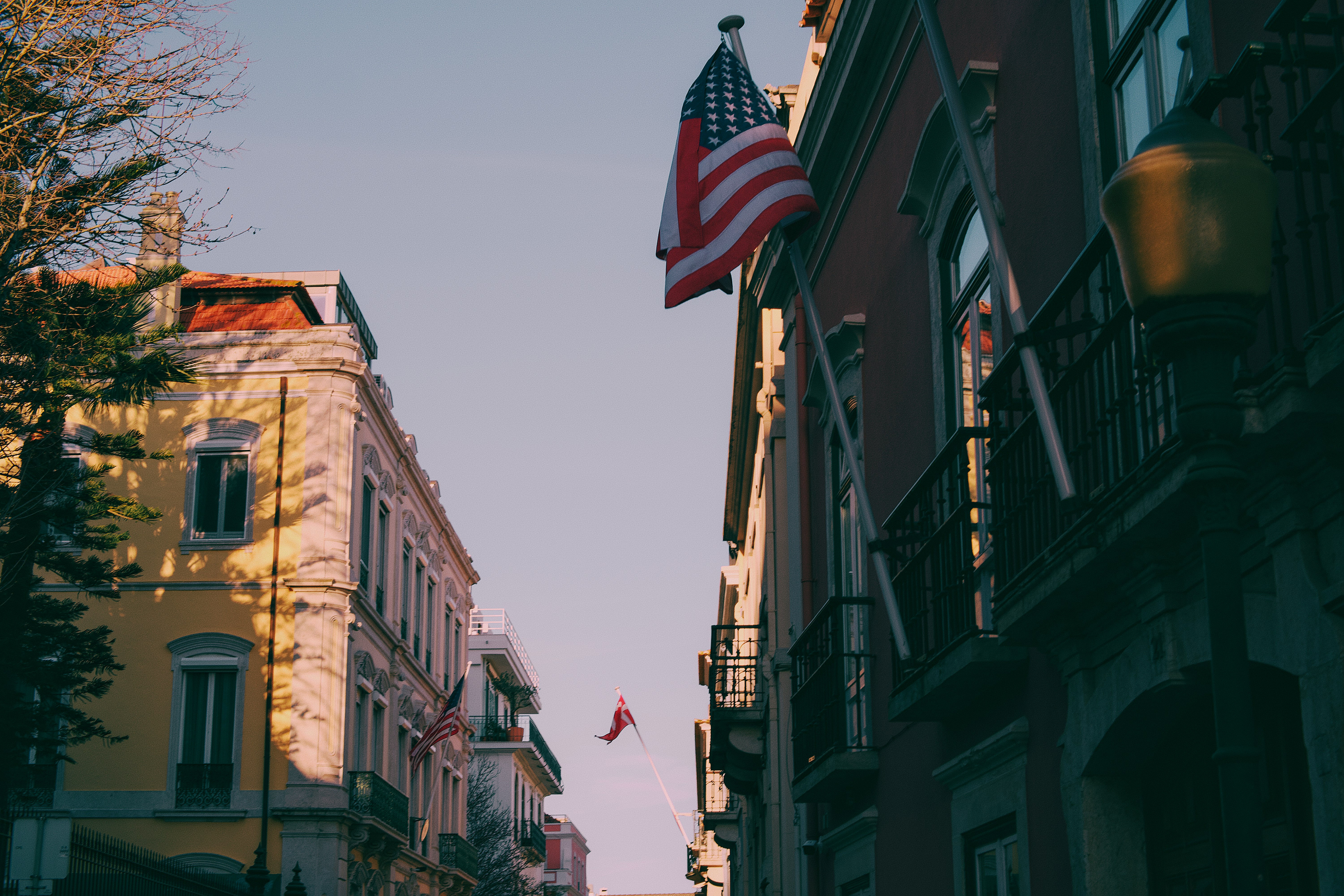

The United States stands at a remarkable cultural crossroads in 2026, where diversity has become the defining characteristic of American society. As communities from around the world establish deeper roots across the nation, they're not simply assimilating into existing frameworks; they're actively reshaping what it means to be American. These profound cultural shifts represent more than demographic changes; they signal a fundamental transformation in how Americans experience food, language, art, business, and community life.

Welcome to United Tribes
Where American Culture Comes Alive
Join Your Tribe
Connect with your people
Discover Events
Watch parties & festivals
Find American Businesses
Restaurants, markets & more
Earn Crown Credits
Get rewarded for engaging
From bustling Hispanic neighborhoods in Phoenix to thriving Indian tech corridors in Seattle, multicultural communities are driving innovation while preserving their ancestral traditions. This dynamic creates a uniquely American phenomenon in which U.S. culture evolves through the interplay of heritage preservation and cultural exchange, making diversity not just a characteristic of modern America but its greatest strength.
The Transformation of American Neighborhoods
American neighborhoods are experiencing unprecedented transformation as diverse communities establish cultural enclaves that serve as bridges between tradition and modernity. These areas become cultural epicenters where heritage businesses, community centers, and gathering places create authentic experiences for both community members and curious neighbors.
Hispanic communities have particularly influenced this neighborhood's evolution, establishing vibrant corridors where Spanish flows as naturally as English. These areas showcase how enduring Hispanic heritage traditions continue to thrive while adapting to contemporary American life. From colorful murals celebrating cultural identity to family-owned businesses that have operated for decades, these neighborhoods demonstrate the permanence and vitality of Hispanic culture in America.
Indian American communities have similarly transformed entire metropolitan areas, creating spaces where traditional values meet technological innovation. These communities often center around cultural institutions, temples, and business districts that serve authentic cuisine alongside cutting-edge services. The influence extends beyond physical boundaries, as these neighborhoods become destinations for cultural festivals, educational workshops, and business networking events that attract participants from diverse backgrounds.
The economic impact of these cultural neighborhoods cannot be understated. They generate billions in annual revenue while providing employment opportunities ranging from traditional crafts to modern professional services. More importantly, they serve as platforms for entrepreneurs who blend cultural authenticity with American business acumen, creating distinctive value propositions that appeal to increasingly diverse consumer bases.
Language as a Cultural Bridge
The linguistic landscape of America continues to evolve dramatically, with multilingualism becoming increasingly normalized across professional, educational, and social settings. This shift reflects bigger cultural changes in which multiple languages coexist and enhance, rather than compete with, English dominance.
The prominence of the Spanish language exemplifies this evolution most clearly. Understanding why Spanish has remained important in the U.S. reveals that language preservation strengthens rather than weakens the American cultural fabric. Spanish serves as both a cultural preservation tool and a practical means of communication, thereby enhancing business opportunities, educational outcomes, and community connections.
Beyond Spanish, languages such as Hindi, Mandarin, Arabic, and Tagalog are increasingly valuable in American workplaces and communities. Educational institutions now offer immersion programs that recognize multilingual abilities as competitive advantages, while businesses actively seek employees who can navigate multiple cultural and linguistic contexts.
This linguistic diversity creates unique opportunities for cultural exchange and understanding. Communities organize language exchange programs, cultural immersion experiences, and multilingual festivals that celebrate the richness of the United States' linguistic landscape. These initiatives demonstrate that language serves as a bridge rather than a barrier, fostering deeper connections among diverse cultural communities.
Culinary Revolution and Food Culture
American food culture has undergone a remarkable transformation as diverse culinary traditions reshape dining experiences across the country. This evolution extends far beyond restaurants to influence grocery stores, food festivals, cooking shows, and home kitchens nationwide.
The influence of Latin cuisine in the U.S. demonstrates how authentic flavors and cooking techniques become integrated into mainstream American dining. What began as ethnic restaurants serving primarily immigrant communities has evolved into a sophisticated culinary landscape in which Latin flavors influence everything from fast-casual dining to fine-dining establishments.
Indian cuisine has similarly revolutionized American palates, introducing complex spice profiles and cooking techniques that extend beyond traditional curry houses. Modern Indian American chefs blend traditional recipes with locally sourced ingredients, creating fusion concepts that appeal to diverse audiences while maintaining authentic flavors and preparation methods.
Regional Culinary Clusters
Different regions of the United States have developed distinct culinary identities based on their dominant immigrant populations. The Southwest showcases Mexican and Central American influences, while the Northeast features robust Indian, Middle Eastern, and Caribbean food scenes. The West Coast demonstrates Asian fusion creativity, and the Southeast increasingly celebrates Latin American and Caribbean flavors.
These regional variations create unique food tourism opportunities where travelers specifically seek authentic cultural dining experiences. Food festivals celebrating specific cultural traditions have become major economic drivers, attracting hundreds of thousands of visitors annually while showcasing the entrepreneurial success of immigrant-owned businesses.
Arts, Entertainment, and Media Influence
Cultural communities are fundamentally reshaping American entertainment through music, film, literature, and digital media that reflect diverse experiences and perspectives. This transformation creates new market opportunities while providing representation that resonates with multicultural audiences.
The impact of Indian music and film culture in the U.S. exemplifies how traditional art forms find new expressions in American contexts. Bollywood dance classes, classical Indian music instruction, and fusion performances that blend Eastern and Western styles have become popular across diverse communities, not just among Indian Americans.
Hispanic entertainment has achieved mainstream success while maintaining cultural authenticity. Spanish-language media, bilingual programming, and Latin music genres influence popular culture trends that extend far beyond Hispanic communities. Major streaming platforms now invest heavily in content that reflects Hispanic experiences, recognizing both the market opportunity and cultural importance of authentic representation.
Digital Media and Cultural Expression
Social media platforms have become powerful tools for cultural expression and community building. Cultural influencers, artists, and entrepreneurs use these platforms to share traditions, promote businesses, and connect with both heritage communities and mainstream audiences. This digital presence amplifies cultural voices while creating new economic opportunities through sponsored content, brand partnerships, and direct sales.
Cultural communities leverage digital platforms to organize events, share recipes, teach languages, and preserve traditions through recorded content. These efforts ensure that cultural knowledge is transmitted to younger generations while remaining accessible to anyone interested in learning about diverse traditions.
Business Innovation and Entrepreneurship
Diverse communities drive significant business innovation by identifying underserved market needs and creating solutions that blend cultural authenticity with American business practices. This entrepreneurial activity generates substantial economic impact while introducing new products, services, and business models to American markets.
Hispanic entrepreneurs lead business-creation rates in many metropolitan areas, establishing enterprises ranging from traditional restaurants and retail stores to technology startups and professional services. These businesses often serve dual purposes: meeting community needs while introducing broader markets to cultural products and services.
Indian American entrepreneurs have achieved particular success in the technology, healthcare, and hospitality industries, creating companies that employ diverse workforces while maintaining cultural values and practices. Many of these businesses operate with a global perspective, leveraging cultural connections to pursue international expansion and partnership opportunities.
Cultural Business Districts
Many cities now recognize and support cultural business districts that concentrate heritage-based enterprises in specific geographic areas. These districts receive special designation, marketing support, and sometimes tax incentives that help businesses thrive while creating authentic cultural destinations for residents and tourists.
The success of these districts demonstrates how U.S. culture benefits when diverse communities receive support for economic development initiatives that celebrate rather than minimize cultural identity. These areas become powerful economic engines that generate tax revenue, create employment opportunities, and attract visitors while preserving cultural traditions.
America's Multicultural Future
The cultural shifts occurring across America in 2026 signal a permanent transformation that enriches U.S. culture while creating unprecedented opportunities for cross-cultural connection and economic growth. As communities from around the world establish deeper roots and stronger voices, they contribute unique perspectives, talents, and traditions that make America more vibrant and globally competitive. This diversity creates a dynamic environment in which innovation flourishes at the intersection of diverse cultural approaches to business, art, education, and community building.
The future of American culture lies not in choosing between preservation and progress, but in celebrating how different communities contribute to a shared national identity that honors both heritage and evolution. As more Americans recognize the economic, social, and cultural benefits of this multicultural landscape, communities will continue to find new ways to share their traditions while embracing their American identity.
Visit United Tribes today and discover the rich cultural communities shaping America's diverse future across the nation.
Make United Tribes Your Preferred Source
Add United Tribes on Google to get the latest stories, cultural updates, and community events directly in your Google Search and Top Stories.