
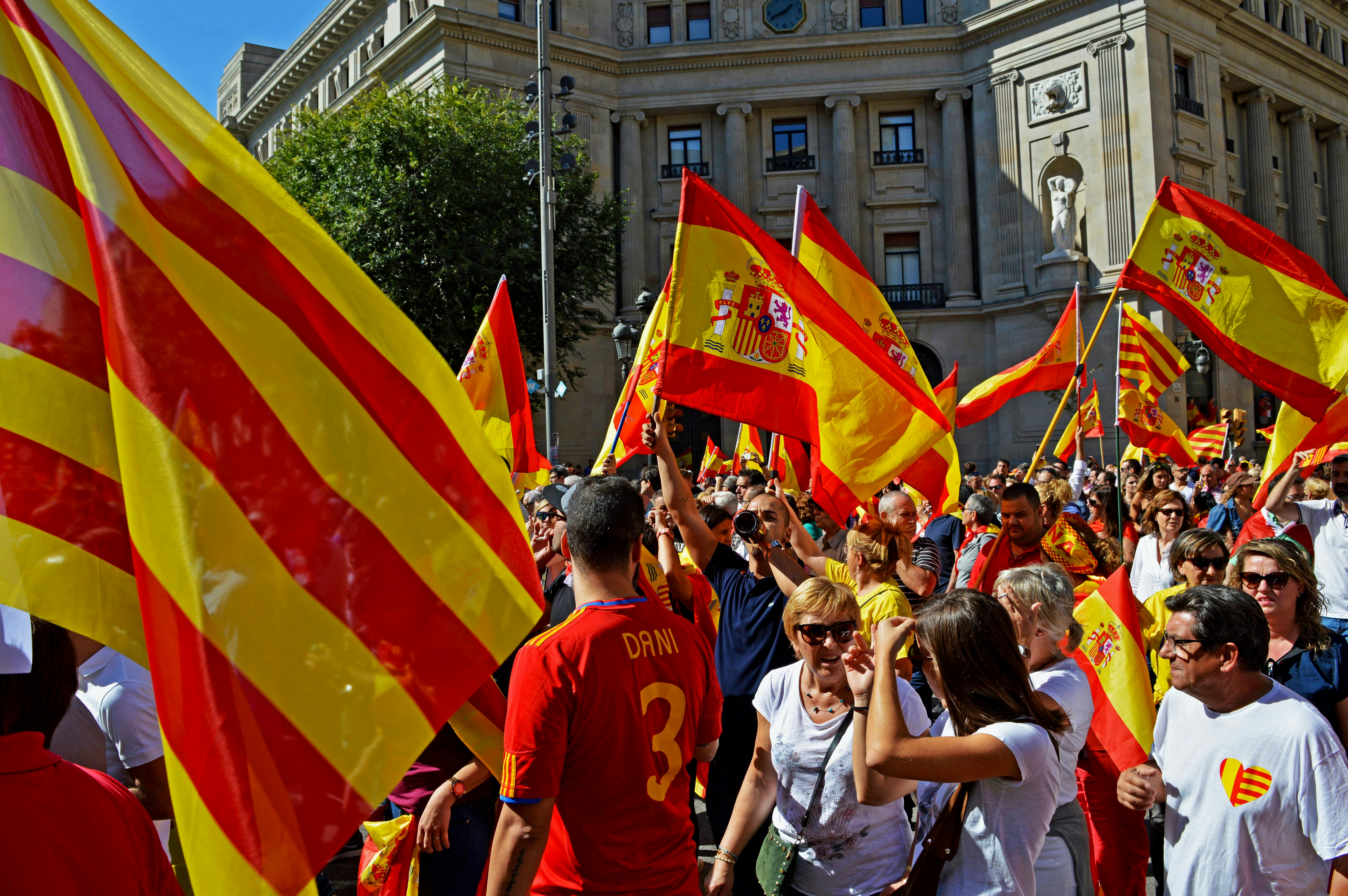

There is something unmistakable about the energy of a Spanish football matchday. The anticipation, the noise, the food, and the gatherings are part of a cultural experience that accompanies this sporting event. For millions of Spanish fans abroad, recreating that atmosphere is both a challenge and a deeply personal act of identity. Whether you are in Los Angeles, Chicago, London, or Sydney, the rituals and traditions of Spanish communities related to football have developed remarkably rich and surprisingly consistent practices.
The Emotional Pull of Matchday for the Spanish Diaspora
Football in Spain is not just entertainment. It is woven into the fabric of daily life, neighborhood identity, and national pride. When Spanish communities relocate, one of the first things many seek out is a way to stay connected to that rhythm. How to watch Spain games abroad has become a practical question with deeply cultural undertones — it is not just about finding a stream, it is about rebuilding the feeling of being home.

Welcome to United Tribes
Where Spanish Culture Comes Alive
Join Your Tribe
Connect with your people
Discover Events
Watch parties & festivals
Find Spanish Businesses
Restaurants, markets & more
Earn Crown Credits
Get rewarded for engaging
For many in the diaspora, matchday is one of the clearest expressions of heritage. It is a moment when language, food, humor, and passion all converge. Language and culture reinforce each other, and football is a living expression of both.
Navigating the Time Difference
One of the most immediate obstacles for Spain fans abroad is the time difference. La Liga matches and international tournaments like the World Cup typically kick off in the afternoon or evening in Spain, which translates to early mornings or unusual hours in the Americas.
Common time adjustments fans make include:
- West Coast USA: Most matches begin between 6:00 AM and 12:00 PM
- East Coast USA: Kickoffs typically fall between 9:00 AM and 3:00 PM
- Australia: Prime matches can start as late as midnight or early morning
Rather than treating this as a hardship, many diaspora fans have transformed early-morning kickoffs into a tradition of their own. Weekend breakfast gatherings before a Spain match have become a beloved ritual — tortilla española on the table, café con leche brewing, and everyone crowded around a screen well before noon.
The Food Is Non-Negotiable
Ask any member of the global Spain fan culture what makes matchday feel real, and food will always come up. Certain dishes have become anchors of the matchday experience regardless of geography.
Essential matchday foods fans recreate abroad:
- Tortilla española — the classic potato and egg omelet, simple but deeply symbolic
- Pan con tomate — bread rubbed with tomato and olive oil, a Catalan staple now beloved across Spain
- Croquetas — fried béchamel croquettes, often made in batches for a crowd
- Patatas bravas — fried potatoes with spicy or aioli sauce, perfect for sharing
- Jamón ibérico — for those who can source it, cured ham elevates any gathering instantly
- Sangría or cava — depending on the occasion and the hour
In cities with large Spanish communities, sourcing these ingredients has become easier. Spanish delis, Latin grocery stores, and specialty importers now stock many of these staples. Where ingredients are harder to find, fans improvise with local alternatives while keeping the spirit of the dish intact.
Where Fans Gather: From Bars to Living Rooms
Global Spain fan culture thrives in shared spaces. Spanish-owned tapas bars and cultural centers in cities like Miami, New York, and Los Angeles have become unofficial headquarters for diaspora supporters. These venues often open early for major Spain matches, rearrange seating for group viewing, and pipe in Spanish commentary to maintain authenticity.
Living room gatherings remain equally important. For many families and friend groups, hosting a matchday watch party is a personal tradition passed down across generations. The host takes responsibility seriously — the television setup, the snacks, the beverages, and crucially, the commentary language. Many fans insist on watching with Spanish-language broadcast teams, arguing that the commentary itself is part of the cultural texture of the experience.
Building Supporter Communities in New Cities
One of the most significant developments in recent years is the growth of organized Spanish supporter groups across the United States and beyond. These clubs connect fans who may not have Spanish-born communities nearby and provide a social infrastructure for matchday gatherings.
Support group offers:
- Organized watch parties for major matches and Spain fans abroad during the World Cup tournament
- Social media communities for match discussion in Spanish and English
- Cultural events that blend football fandom with broader heritage celebration
- Connections to local Spanish businesses and restaurants
For newcomers to a city, finding a local supporter group can be one of the fastest ways to rebuild that sense of matchday community. United Tribes serves as a discovery platform where culturally rooted businesses and community gatherings, including those centered around Spanish heritage, can be found and celebrated.
Keeping Commentary and Atmosphere Authentic
Beyond the food and the company, serious fans pay close attention to how they consume the match itself. Spanish football diaspora groups have developed preferences and specific traditions that distinguish their viewing experience from a casual fan's approach:
- Watching with Spanish-language commentary for emotional authenticity
- Using VPN services to access Spanish broadcast streams when local coverage feels inadequate
- Replicating stadium sounds or playing pre-match music familiar from Spanish football culture
- Wearing club or national team kits as a form of collective identity
These choices are deliberate. They signal to others in the room — and to the individual themselves — that this is not just watching a game. It is an act of cultural participation.
Keeping Spanish Football Culture Alive
For the Spanish diaspora, matchday is never just about the ninety minutes on the pitch. It is a ritual of reconnection — to language, to food, to community, and to a sense of home that geography cannot erase. From early morning tortilla gatherings in California to late-night croqueta spreads in New York, global Spain fan culture has adapted and thrived without losing its essential character.
The creativity and dedication that Spain fans abroad bring to recreating these traditions speak to something universal about diaspora life: the instinct to preserve what matters most, even across oceans and time zones. Every pan con tomate prepared before a World Cup match, every Spanish commentary stream sought out, is a small but meaningful act of cultural continuity.
Visit United Tribes today to learn more about Spanish culture and community, and discover businesses, events, and stories that celebrate the heritage and identity of Spanish-speaking communities across the United States.


