

As winter's grip loosens and the first signs of spring emerge, communities worldwide pause to celebrate renewal, rebirth, and the promise of new beginnings. While the specific rituals and traditions may vary dramatically from one culture to another, the underlying human desire to mark this seasonal transition reveals profound shared values that transcend geographic boundaries and cultural differences. These spring traditions across cultures demonstrate how universal themes of hope, community, and cultural renewal bind us together as human beings, even as we celebrate our unique heritage.
The Universal Language of Seasonal Renewal
Spring represents far more than just a change in weather—it embodies humanity's eternal hope for fresh starts and better times ahead. Across continents and cultures, communities have developed elaborate celebrations that honor this transitional period, each carrying deep spiritual and social significance.

Welcome to United Tribes
Where Persian Culture Comes Alive
Join Your Tribe
Connect with your people
Discover Events
Watch parties & festivals
Find Persian Businesses
Restaurants, markets & more
Earn Crown Credits
Get rewarded for engaging
The concept of renewal manifests differently across various traditions, yet the core message remains consistent. Whether through the cleaning of homes, the planting of seeds, or the gathering of families, spring celebrations worldwide emphasize the importance of preparation, reflection, and anticipation for what lies ahead.
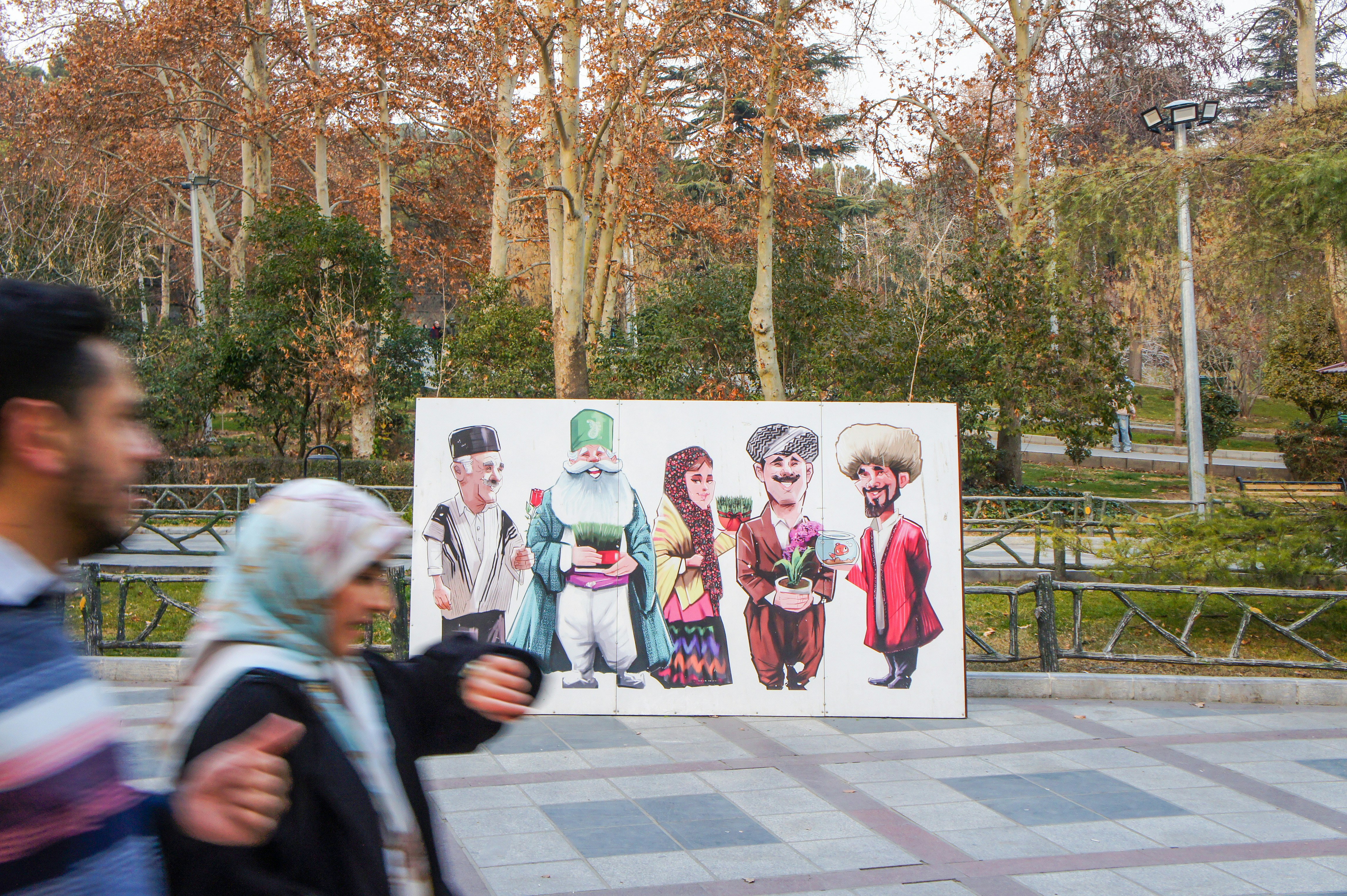
Persian communities derive profound meaning from their ancient celebrations, in which Nowruz symbolizes renewal, unity, and heritage that have endured for thousands of years. This tradition exemplifies how spring festivals serve as bridges between past and future, connecting modern communities with their ancestral wisdom while adapting to contemporary life.
Community Building Through Shared Celebration
One of the most striking similarities among spring traditions worldwide is their emphasis on community connection. These celebrations rarely occur in isolation; instead, they serve as powerful opportunities to build community and strengthen bonds that sustain communities throughout the year.
Family Reunification and Social Harmony
Spring celebrations often prioritize family reunification, with relatives traveling great distances to share in traditional observances. This gathering serves multiple purposes: it reinforces family bonds, ensures the transmission of culture to younger generations, and creates support networks that extend beyond the celebration period.
Communities use these occasions to resolve conflicts, forgive past grievances, and establish harmony for the coming year. The emphasis on starting fresh extends beyond personal renewal to encompass social relationships and community dynamics.
Collective Preparation and Shared Responsibility
The preparation for spring festivals often involves entire communities working together. From organizing parades and festivals to preparing traditional foods and decorations, these collaborative efforts strengthen social bonds and create shared ownership of cultural heritage.
Spiritual Dimensions of Spring Awakening
Across cultures, spring celebrations incorporate profound spiritual elements that reflect humanity's relationship with natural cycles and divine forces. These spiritual dimensions often emphasize themes of light overcoming darkness, good triumphing over evil, and hope conquering despair.
Light as Universal Symbol
Many spring traditions feature light as a central element, symbolizing the increasing daylight hours and the metaphorical illumination of the spirit. From bonfires to oil lamps to colorful decorations, light serves as a universal symbol of hope and divine blessing.
The significance of light in spring celebrations often connects to deeper philosophical concepts about knowledge, wisdom, and spiritual enlightenment. These connections help communities maintain their spiritual practices while adapting to modern life circumstances.
Nature's Role in Spiritual Practice
Spring festivals frequently incorporate natural elements—flowers, water, earth, and air—as essential components of spiritual observance. This integration reflects ancient understandings of humanity's interconnectedness with the natural world and the importance of maintaining harmonious relationships with environmental forces.
Food Traditions and Cultural Identity
Culinary traditions play crucial roles in spring celebrations worldwide, serving as tangible connections to cultural heritage while bringing communities together through shared meals and collective preparation.
Traditional Foods as Cultural Markers
Specific foods associated with spring celebrations often carry symbolic meanings related to prosperity, health, and good fortune. These culinary traditions serve as powerful cultural markers, instantly recognizable to community members and meaningful to cultural identity.
The preparation of traditional spring foods often involves multiple generations working together, creating opportunities for knowledge transfer and relationship building. Recipes passed down through families become vehicles for preserving cultural memory and maintaining connections to ancestral practices.
Sharing and Hospitality
Spring celebrations emphasize hospitality and the generous sharing of food with neighbors, friends, and strangers. This practice reflects core values of community support and mutual care that extend far beyond the celebration period.
Modern Adaptations of Ancient Practices
Contemporary multicultural communities face unique challenges in maintaining traditional spring celebrations while adapting to modern life circumstances. These adaptations demonstrate the resilience and flexibility of cultural practices while highlighting the enduring relevance of seasonal celebrations.
Diaspora Communities and Cultural Preservation
For diaspora communities, spring celebrations serve as crucial opportunities to maintain cultural connections and transmit heritage to younger generations born outside their ancestral homeland. These celebrations often adapt traditional elements to accommodate new environments while preserving essential cultural meanings.
Technology plays an increasingly important role in enabling diaspora communities to participate in traditional celebrations, whether through virtual connections with relatives in their countries of origin or through online resources for learning traditional practices.
Integration with Local Communities
Many multicultural communities use spring celebrations as opportunities to share their heritage with broader local populations, fostering cross-cultural understanding and appreciation. These sharing opportunities often lead to meaningful intercultural relationships and increased community cohesion.
Seasonal Cycles and Human Well-being
The psychological and emotional benefits of seasonal celebrations reflect deep human needs for rhythm, meaning, and community connection. Spring traditions specifically address the psychological challenges of emerging from winter's isolation and darkness.
Mental Health and Community Support
Spring celebrations often incorporate elements that directly support mental health and emotional wellbeing. The emphasis on hope, renewal, and community connection provides crucial psychological support during seasonal transitions.
These celebrations create structured opportunities for social interaction, reducing isolation and building support networks that benefit community members throughout the year. The anticipation and preparation for spring festivals also provide goals and activities that support mental engagement and emotional investment.
Intergenerational Connections
Spring celebrations typically involve multiple generations participating together in traditional activities. These intergenerational connections serve important functions for both older and younger community members, providing opportunities for wisdom sharing and cultural continuity.
Celebrating Our Shared Human Spirit
As we witness the arrival of another spring season, we're reminded that despite our diverse backgrounds and traditions, we share fundamental human values that unite us across cultural boundaries. Spring traditions across cultures reveal common desires for renewal, hope, and connection, while each unique celebration enriches the broader tapestry of human experience.
These seasonal observances demonstrate that cultural renewal serves not only to preserve individual heritage but also to strengthen the bonds that connect all communities. Visit United Tribes today and find out more about the diverse cultural communities and their rich traditions that make our world more beautiful and connected.
Make United Tribes Your Preferred Source
Add United Tribes on Google to get the latest stories, cultural updates, and community events directly in your Google Search and Top Stories.


