

Key Takeaways
-
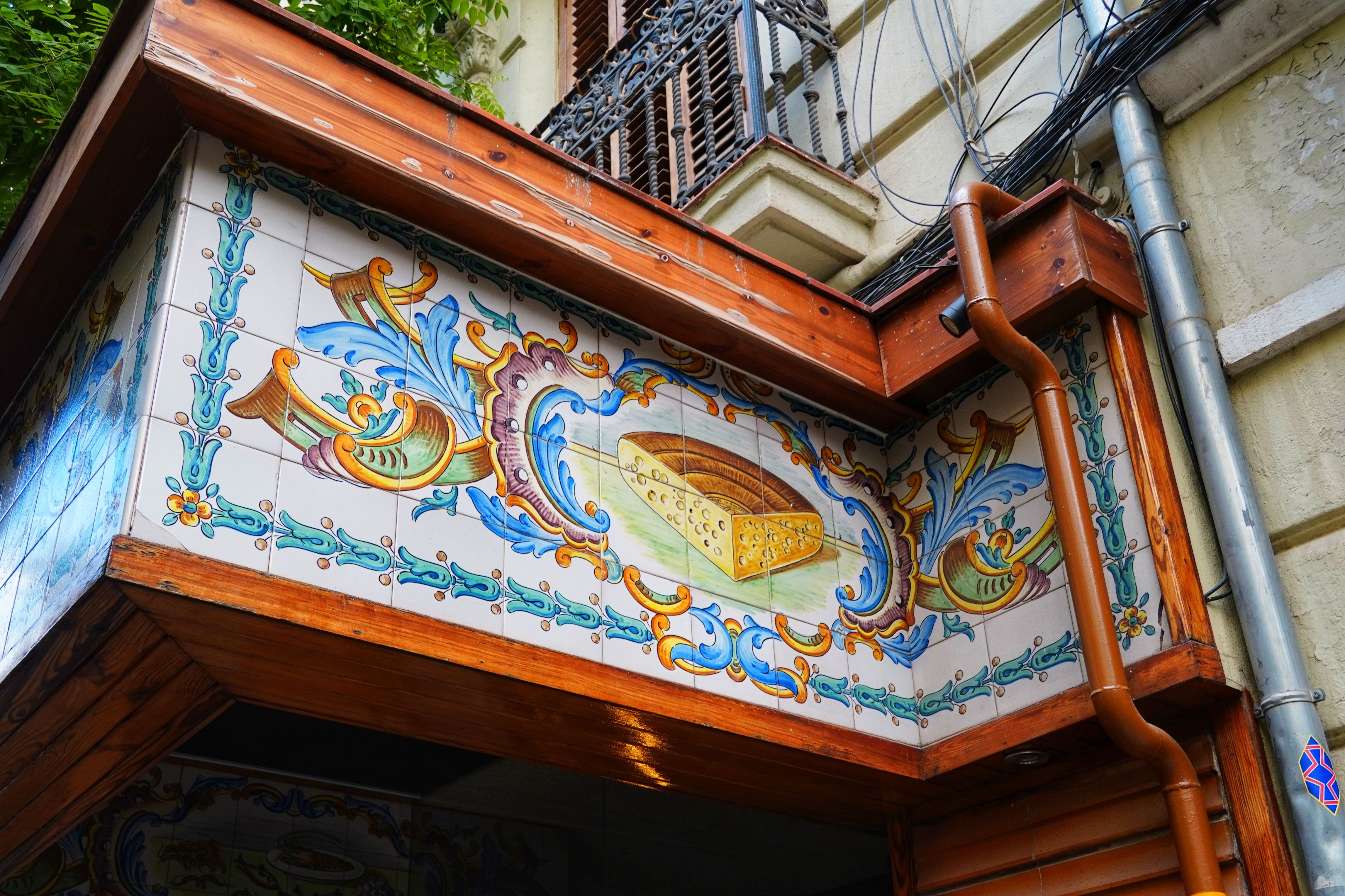
Fileteado porteño is Buenos Aires' signature decorative painting style. It combines symmetrical scrolls, shaded flowers, and distinctive lettering in bright colors.
-
It began on horse-drawn carts. Italian immigrants working in the city's wagon factories developed it in the late 19th century.

Welcome to United Tribes
Where Argentine Culture Comes Alive
Join Your Tribe
Connect with your people
Discover Events
Watch parties & festivals
Find Argentine Businesses
Restaurants, markets & more
Earn Crown Credits
Get rewarded for engaging
Lettering and symbols carry the meaning. Gothic-style type, ribbons, flowers, and protective religious figures like Our Lady of Luján all have a purpose.
The art survived a ban. A 1975 law under the military government barred fileteado from Buenos Aires buses, and sign painters kept the craft going.
It is living heritage today. UNESCO inscribed filete porteño in 2015, and contemporary artists paint it on storefronts, signs, and public walls.
Walk through almost any Buenos Aires neighborhood, and you will spot it: a shop sign wrapped in swirling ribbons, a bold name framed by shaded flowers, a wall alive with scrolls and a proverb in elegant lettering. That is fileteado porteño, the decorative painting style that has become one of the Argentine capital's most recognizable visual signatures. Often described as nearly as emblematic of the country as the tango, it turns everyday objects and storefronts into small works of art. This guide explains where it came from, how to read its imagery, and how artists keep this Argentine folk art alive today.
What Is Fileteado Porteño?
Fileteado porteño, also called filete porteño or simply filete, is a traditional painting technique from Buenos Aires. The word porteño refers to people and things from the city's port, so the name ties the art to the city itself. Fileteado is generally traced to the Latin filum, meaning thread, a nod to the fine, flowing lines that define it.
Fileteado painting combines several hallmarks:
-
Symmetry, with mirrored scrolls, leaves, and flourishes
-
Shading and highlights that give flat lines depth
-
Block, cursive, and Gothic-inspired lettering
-
Symbolic imagery, from flowers and ribbons to mythical creatures and religious figures
-
Bright, saturated color
In 2015, UNESCO inscribed filete porteño in Buenos Aires on its Representative List of the Intangible Cultural Heritage of Humanity. The listing recognizes a living tradition passed from painter to apprentice, not just a style kept in museums.
The Origins of Fileteado Painting in Buenos Aires
Fileteado emerged in the late nineteenth and early twentieth centuries, a period of massive European immigration that reshaped the city's population, food, and music. Like tango, it grew from the mix of cultures that made Buenos Aires culture so distinctive.
Born in the Wagon Factories
Before cars dominated the streets, Buenos Aires moved on horse-drawn carts that carried food and goods. The city's workshops built and decorated these wagons. A carefully painted cart advertised its owner and showed the maker's pride in the work. Over time, simple lines and borders grew into more elaborate flourishes.
Italian Immigrants and the Birth of an Argentine Folk Art
Most accounts credit Italian immigrants working in the wagon factories with developing the style. They brought decorative sensibilities from their homeland and adapted them to a booming port city. The result was no copy of a European style. It became a distinctly Argentine tradition, shaped by local taste, humor, and sentiment.
Painters began to personalize their work with an owner's name, a slogan, a saying, or a protective saint. Those touches turned decorative trim into folk art.
From Horse-Drawn Carts to Trucks and Colectivos
As motor vehicles replaced carts, fileteado moved onto trucks and then onto the colectivos, the buses that crisscross Buenos Aires. Decorating a bus became a point of pride for drivers and companies. Commuters passed through a moving gallery of lettering, flowers, and symbols.
The Visual Language of Fileteado
To the untrained eye, a fileteado panel can look like a tangle of curls. Once you know what to look for, it reads almost like a language.
Signature Lettering and Gothic Typography
Fileteado is as much about words as images, which is why it works so well for signs. Painters developed several approaches:
-
Block letters with shadows or outlines for a bold, dimensional look
-
Cursive lettering with graceful, connected strokes
-
Gothic-style typography, with angular, decorative forms
The lettering and the ornament are designed together, so a name or dedication sits inside the composition instead of being added afterward.
Fileteadores also paint short sayings, affectionate phrases, and lines connected to tango. A bus or storefront does more than identify itself. It speaks to the street.
Floral Motifs, Scrolls, and Symbolic Imagery
The ornamental vocabulary is broad. You will often see:
-
Flowers and leaves, painted with layered shading
-
Scrolls and ribbons that wrap around text and fill space
-
Dragons and other fantastical creatures
-
Jesus and Our Lady of Luján, as symbols of protection
-
Argentine national symbols and popular figures
Protective imagery made practical sense for drivers spending long days in city traffic. Flowers and ribbons added a celebratory feel. Together they show how Argentina's traditional art often blends faith, humor, and neighborhood pride.
Color, Shading, and the Fileteador's Technique
Fileteado demands fine brushes and steady hands to produce long, confident strokes. Because designs rest on symmetry, painters plan the composition before they fill it in. Then comes the shading, blending tones to give petals, leaves, and ribbons their depth. Few of these steps can be rushed, which is why a skilled fileteador's work is so recognizable.
Decline and Revival: Fileteado in the Twentieth Century
The story of fileteado includes official suppression and a hard-won recovery.
The 1975 Ban on Bus Fileteado
In 1975, under the military government, a law banned fileteado from Buenos Aires buses. The stated reason was to reduce "visual contamination." Sources say the prohibition lasted until 2006. A form of public expression that had decorated the city's streets for decades lost its most visible stage.
Many painters lost a main source of work, and the tradition risked being forgotten.
From Workshop Craft to UNESCO Recognition
The art did not disappear. Painters kept practicing through sign painting and private workshops, and a new generation began to see fileteado as heritage worth preserving. The City Museum of Buenos Aires, for example, has presented an exhibition featuring historic masters such as Luis Zorz, Enrique Brunetti, and Carlos Carboni.
The 2015 UNESCO inscription formalized that revival. It affirmed that an art once dismissed by authorities as visual clutter is a living part of the city's identity.
Fileteado Today: A Living Part of Buenos Aires Culture
Fileteado is no longer tied to old carts and buses. Today it lives on walls, shop windows, cafés, workshops, and gallery spaces.
Storefronts, Signage, and Public Art
Contemporary fileteadores paint business signs, café facades, murals, and furniture. For a small business, a hand-painted sign signals warmth, heritage, and craftsmanship that a printed sign rarely matches. It tells customers the shop belongs to its neighborhood.
Murals and installations also borrow the vocabulary of scrolls, flowers, and lettering to celebrate city landmarks and tango figures. The result is a form of urban cultural expression that sits alongside street art while keeping its own rules.
Contemporary Masters Keeping the Tradition Alive
Living artists continue to teach and promote the craft. Alfredo Genovese is one of the best-known fileteadores working in Buenos Aires, and his work shows how classic technique can adapt to new surfaces and clients. Many other painters teach workshops, take apprentices, and work with designers and cultural institutions.
For the Argentine diaspora in the United States, diaspora-owned restaurants, bakeries, and boutiques can use fileteado in signage and branding to bring a piece of Buenos Aires to a new city.
Where to See and Learn Fileteado in Buenos Aires
If you visit Buenos Aires, you can find fileteado in several ways:
-
Walk the neighborhoods and look at shop signs, building facades, and street murals
-
Visit museums and cultural centers that present exhibitions on the art form
-
Look for artists' studios that offer demonstrations or classes
-
Watch the lettering on cafés, bars, and traditional businesses, where hand-painted signs often survive
Why Fileteado Matters Among Argentina's Traditional Arts
Fileteado connects several stories at once. It reflects immigration and the way newcomers shaped Buenos Aires. It shows how working people turned practical objects into art. And it shows how a tradition can survive official disapproval and return stronger.
Compared with other forms of Argentine traditional art, fileteado is distinctive because it is urban. It lives on streets, in shops, and on public transport. That makes it an emblem of Buenos Aires culture and of the porteño sense of identity: expressive, a little theatrical, and deeply attached to the city.
Keeping Fileteado Alive Today
Fileteado porteño began on immigrant artisans' carts and grew into a defining image of Buenos Aires. Its symmetrical flourishes, shaded flowers, and expressive lettering carry layers of history: immigration, faith, humor, a decades-long ban, and a revival that led to UNESCO recognition.
For Argentine communities, the art offers a tangible link to heritage. For everyone else, it offers a vivid introduction to one of Argentina's most distinctive Aolk art traditions.
If a hand-painted sign has made you curious about Argentine bakeries, cafés, and artists near you, explore Argentine businesses and creators on United Tribes.
Frequently Asked Questions
What does "porteño" mean in "fileteado porteño"?
Porteño describes people and things from Buenos Aires, a port city. Adding it to fileteado identifies the style as belonging to the Argentine capital, where it first developed and where it remains most visible.
Where does the word fileteado come from?
The name is generally traced to the Latin filum, meaning thread. It refers to the fine, flowing lines that outline the scrolls, flowers, and lettering at the heart of the style.
Who created fileteado?
Sources credit Italian immigrants working in Buenos Aires wagon factories in the late nineteenth century. They first used it to decorate horse-drawn carts that carried food and goods, and it developed into a distinctly local art.
Why was fileteado banned from buses?
A 1975 law under the military government banned fileteado from Buenos Aires buses, with the stated aim of reducing "visual contamination." Sources say the prohibition lasted until 2006. The craft survived mainly through sign painting.
When did UNESCO recognize fileteado porteño?
UNESCO inscribed fileteado porteño in Buenos Aires on its Representative List of the Intangible Cultural Heritage of Humanity in 2015. The listing describes it as a traditional painting technique for ornamental design that combines brilliant colors with specific lettering styles.
Where can you see fileteado today?
In Buenos Aires, look at shop signs, café facades, murals, and building fronts, and check museum exhibitions such as those at the City Museum. Some artists also teach workshops. Outside Argentina, Argentine cultural events and diaspora businesses sometimes feature the style.
Make United Tribes Your Preferred Source
Add United Tribes on Google to get the latest stories, cultural updates, and community events directly in your Google Search and Top Stories.