
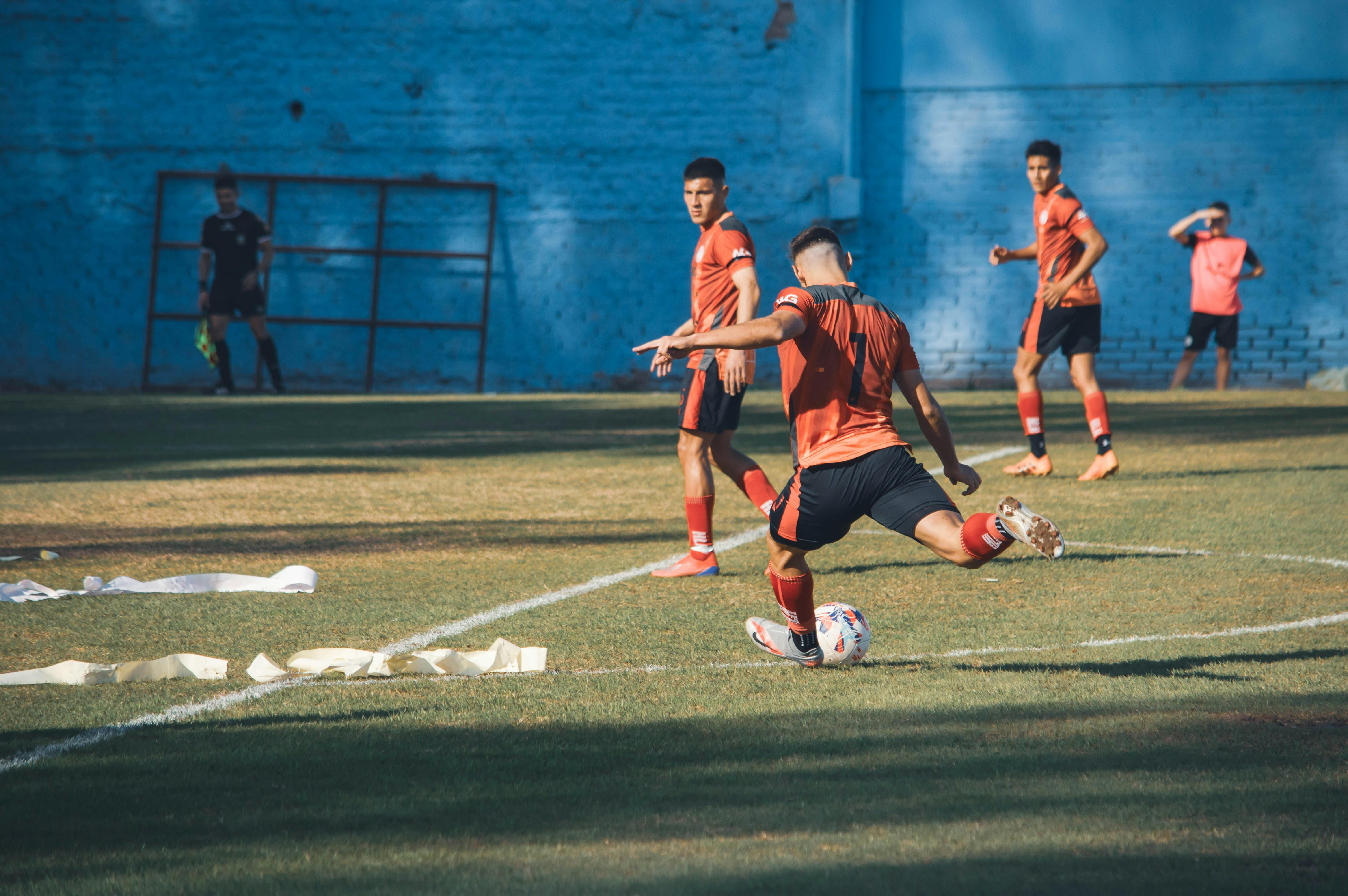


More Than a Game: Football as a Paraguayan Lifeline
For Paraguayans living abroad, the World Cup is never just about football. It is a moment when identity rises to the surface, when the red, white, and blue of the Albirroja jersey becomes the most meaningful piece of clothing a person owns. Whether gathered in a New York apartment or a Miami sports bar, Paraguayan fans abroad transform every match into something far deeper than sport. It becomes a reclamation of home, culture, and belonging in a country that is not their own.
The Diaspora Experience: Watching From Afar
Paraguayans are scattered across the United States in cities like New York, Miami, Washington, D.C., and Los Angeles. Many left home seeking opportunity, carrying their culture as carefully as anything else they packed. When the World Cup arrives, that culture fully unpacks itself.
The diaspora experience of watching Paraguay compete is layered with emotion that goes beyond athletic outcome. Every goal attempt carries the weight of memory — of the stadiums in Asunción, of family members still back home watching the same screen thousands of miles away.
For many second-generation Paraguayan Americans, the World Cup is also an introduction. It is often the first time a child asks, "Why is everyone so excited?" and a parent answers with a story that begins long before the opening whistle.
Identity on the Jersey: What the Albirroja Represents
The Albirroja — Paraguay's national football team — carries enormous symbolic weight. Its name, meaning "white and red," references the national flag, and wearing the jersey abroad is a declaration of cultural allegiance. Paraguayan identity runs deep in the national psyche, rooted in a country that has used sport to assert its place on a global stage despite its small size and landlocked geography.
Paraguay has historically punched above its weight in international football. The team's famous run to the quarterfinals in the 2010 World Cup in South Africa remains a source of immense national pride. For fans abroad, that tournament was a turning point — a moment when being Paraguayan felt electric, visible, and undeniable.
Wearing the jersey in a foreign country means something different than wearing it at home. It invites questions, sparks conversations, and opens doors to cultural exchange. It is both armor and invitation.
Watch Parties as Cultural Rituals
When Paraguay plays, community spaces transform. Living rooms become communal halls. Restaurants that serve sopa paraguaya and mbejú suddenly have standing-room-only crowds. These gatherings are cultural rituals as much as sporting events.
- Food from home appears: chipa, chipa guazú, terere in thermoses passed around the room
- Spanish mixes with Guaraní, Paraguay's indigenous co-official language, in calls of excitement
- Flags are hung with the same care one might hang a family portrait
- Elders and children sit side by side, connected across generations through ninety minutes of football
These watch parties are organized intentionally, often by community leaders or cultural organizations that understand that visibility and togetherness matter. Soccer pride in Paraguay is inseparable from the community infrastructure that sustains it.
Guaraní Roots and the Soul of Paraguayan Football
Understanding what football means to Paraguayans abroad requires understanding Paraguay itself. The country has a deeply indigenous cultural foundation, with the Guaraní language and tradition woven into daily life in ways unique across Latin America. Over 90% of Paraguayans speak Guaraní, making it one of the most widely spoken indigenous languages in the Western Hemisphere.
This cultural specificity matters on the football pitch. Players who come from Paraguayan soil carry that heritage into international competition. The Albirroja is a cultural expression of a people who have fought to be seen, heard, and respected throughout history.
For the diaspora, supporting Paraguay in the World Cup is also a way of honoring Guaraní roots. It is a quiet, powerful act of cultural preservation performed in arenas far from South America.
When Paraguay Doesn't Qualify: Pride Without a Team
The pain of a World Cup without Paraguay is real. There have been cycles where the national team failed to qualify, and for diaspora communities, that absence stings with a particular kind of longing. But the Paraguayan football spirit does not disappear when the team is absent.
Fans still gather. They still wear their jerseys. They watch other South American teams while privately rooting for the moment Paraguay returns. The cultural rituals remain intact because they were never entirely about the outcome. They were always about community, memory, and belonging.
Paraguayan Pride Lives Beyond the Pitch
The World Cup is a mirror that reflects what matters most to people who have made their lives far from their birthplace. For Paraguayans abroad, it reflects pride in a small, resilient nation with a rich indigenous heritage, a fierce footballing spirit, and a diaspora that refuses to let distance dim its cultural flame. For Paraguayans, soccer pride is a year-round identity that the World Cup amplifies into something unmissable.
Whether Paraguay is on the pitch or watching from the outside, the community shows up. That consistency, that stubborn loyalty to cultural identity, is what makes the Paraguayan diaspora so remarkable. It is a community that knows who it is and chooses to celebrate that identity loudly, even when the world is not watching.
Visit United Tribes today to learn more about Paraguayan culture and community, where heritage is never just history — it is the living heart of everything.


