
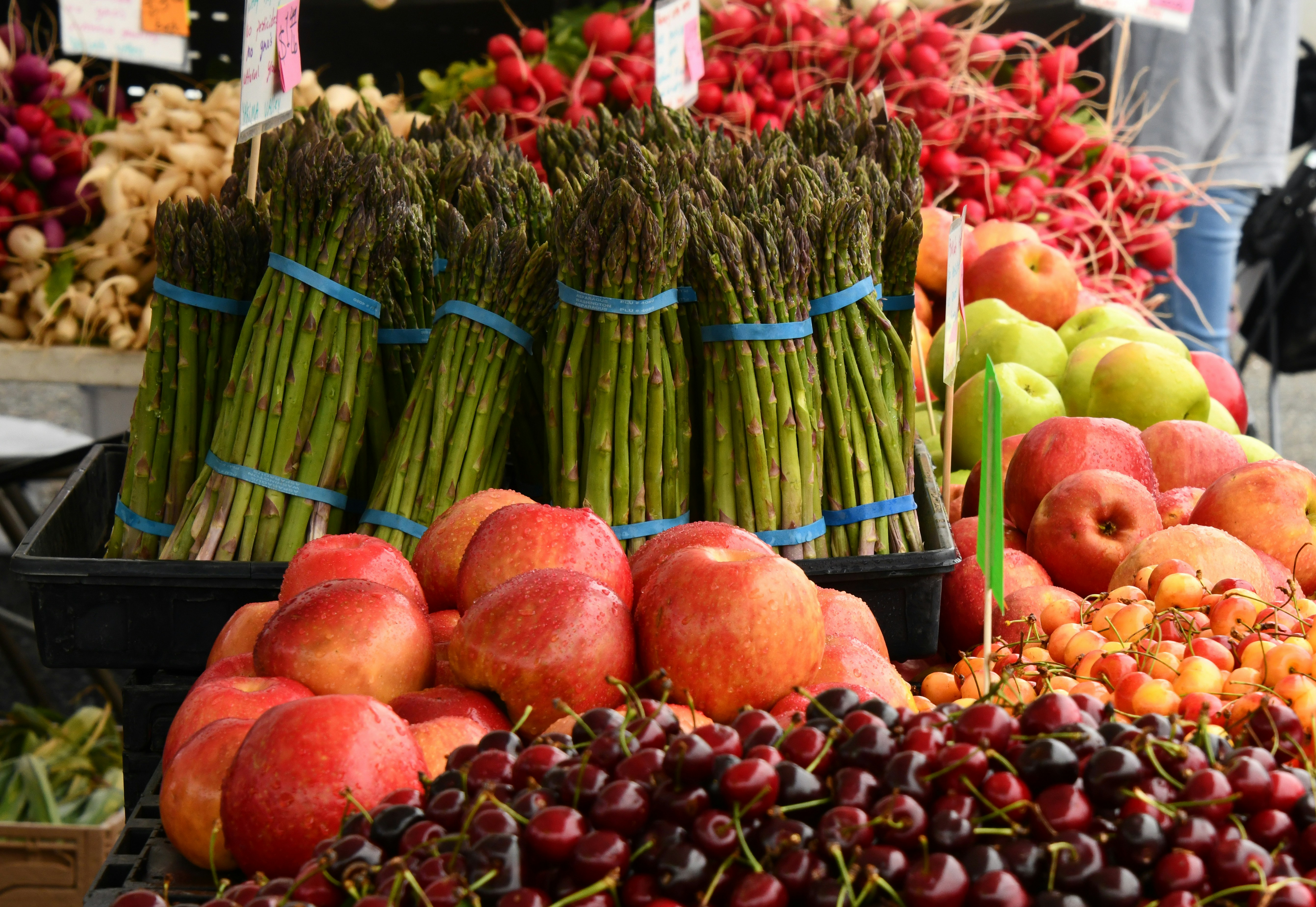


As winter's grip loosens across America, kitchens nationwide undergo a remarkable transformation. The heavy, warming foods that sustained us through cold months give way to lighter, brighter fare that mirrors the season's renewal. From coast to coast, Americans instinctively shift their culinary focus, embracing spring food traditions that have evolved over generations while incorporating influences from diverse cultural communities that call America home.
Fresh Produce Takes Center Stage
The arrival of spring markets across America signals the beginning of a produce renaissance. Seasonal foods America celebrates during this time include tender asparagus spears, vibrant pea shoots, delicate spring onions, and the first strawberries of the year. These ingredients become the foundation of countless American kitchens, transforming daily meals from comfort-focused to celebration-focused.
Farmers' markets, which may have operated on reduced schedules during winter months, burst back to life with vendors offering locally grown greens, herbs, and early fruits.
Early Spring Vegetables and Their Culinary Applications
Asparagus represents the most anticipated spring vegetable across American households. Whether grilled with olive oil and sea salt or incorporated into pasta dishes and quiches, asparagus signals the official start of spring cooking. Its brief seasonal window makes it particularly precious, with American cooks eagerly awaiting its appearance in grocery stores and markets.
Spring peas, including snap peas and sugar snap varieties, add sweetness and crunch to everything from salads to stir-fries. These versatile vegetables embody the lighter cooking methods that define American spring cuisine—quick sautés, light steaming, and fresh preparations that preserve their natural flavors and textures.
Leafy greens like arugula, spinach, and early lettuce varieties become the backbone of spring salads. These tender leaves, often bitter from winter cold, develop complex flavors that American palates have learned to appreciate and celebrate.
The Great Outdoor Migration
Spring weather triggers one of America's most predictable culinary migrations: the move from indoor to outdoor cooking and dining. American spring cooking increasingly takes place on patios, decks, and in backyards as grills emerge from winter storage and outdoor dining spaces receive their first deep cleaning of the year.
This outdoor transition significantly influences food choices. Heavy casseroles and slow-cooked stews give way to grillable proteins, fresh salads, and foods that taste better in fresh air. The psychology of outdoor dining encourages lighter portion sizes and more frequent, smaller meals throughout the day.
Grilling Season Kickoff Traditions
Memorial Day weekend traditionally marks the unofficial start of grilling season, but many American families begin their outdoor cooking much earlier. The first warm weekend of spring often sees neighbors firing up grills for the first time since fall, creating an informal community celebration of the season's return.
Popular spring grilling foods differ from summer barbecue staples. Spring grilling focuses on quick-cooking items: chicken breasts, fish fillets, vegetable skewers with early-spring produce, and lighter marinades with herbs and citrus rather than heavy, molasses-based sauces.
The rise of outdoor kitchens and expanded patio cooking spaces reflects how deeply ingrained outdoor spring cooking has become in American culture. Even apartment dwellers invest in compact grills for balconies, ensuring they can participate in this seasonal ritual.
Brunch Culture Blooms
Spring marks the peak season for American brunch culture. As the weather permits comfortable outdoor seating, restaurants expand their patio service, and home cooks embrace weekend entertaining that bridges breakfast and lunch.
Brunch menus across America reflect spring's influence through lighter egg dishes, fresh fruit, and seasonal vegetables added to traditional breakfast fare. Restaurants report significant increases in brunch reservations as soon as consistently warm weather arrives, with outdoor seating booking weeks in advance.
Signature Spring Brunch Elements
Eggs Benedict variations incorporating asparagus, smoked salmon, or fresh herbs become seasonal favorites. The classic hollandaise sauce, while rich, feels appropriate when balanced with fresh, light accompaniments and served in the fresh air of spring mornings.
Fresh fruit takes on renewed importance in spring brunch spreads. Early strawberries, while sometimes still tart, appear in everything from pancake toppings to fresh fruit salads. The anticipation of berry season creates excitement around these first, sometimes imperfect fruits of the year.
Herb-forward dishes are gaining popularity as fresh herbs become readily available and affordable. Chives, dill, and early basil transform ordinary dishes into spring celebrations, adding color, fragrance, and the taste of renewal to familiar brunch staples.
Lighter Cooking Methods Emerge
The transition to American spring cooking involves not just ingredient changes but fundamental shifts in cooking methodology. Heavy braising, slow roasting, and deep, rich sauces give way to steaming, quick sautéing, light poaching, and fresh preparations that preserve the natural flavors of seasonal ingredients.
This shift reflects both practical and psychological factors. Warmer weather makes lengthy cooking sessions less appealing, while the abundance of fresh, high-quality ingredients makes complex preparation unnecessary. Spring ingredients often taste best with minimal intervention, allowing their natural flavors to shine.
Seasonal Cooking Technique Preferences
Steaming is a preferred cooking method for spring vegetables, preserving their bright colors, crisp textures, and nutritional value. American home cooks rediscover steaming baskets and bamboo steamers that may have sat unused during the winter months.
Quick stir-frying and sautéing preserve vegetable textures while adding just enough heat to enhance flavors. These methods align with the faster pace of spring life, as longer daylight hours and pleasant weather encourage more active lifestyles that require efficient meal preparation.
Raw preparations are gaining popularity, from simple salads to more complex dishes featuring raw or lightly marinated vegetables. The quality of spring produce makes raw preparation not just possible but preferable for many ingredients.
Regional Variations in Spring Food Traditions
The Pacific Northwest celebrates spring with its renowned asparagus festivals and early salmon runs. These regional specialties create distinct seasonal American food traditions that reflect local agriculture and fishing industries.
Southern states embrace spring through their famous farmers' markets and the return of outdoor festival seasons. Traditional Southern spring foods include early greens, fresh herbs, and the first fruits of the year, prepared using techniques passed down through generations, while adapting to modern lifestyles.
New England spring traditions center on the conclusion of the maple syrup harvest and the first fresh seafood of the year. The region's spring cooking emphasizes the transition from preserved winter foods to fresh, seasonal alternatives.
Embracing America's Spring Food Renaissance
The return of spring to American plates represents the deep connection to natural cycles and community traditions that span generations. From the first asparagus spears to outdoor grilling adventures, these spring food traditions create shared experiences that unite diverse communities across the nation. The lighter cooking methods, fresh ingredients, and outdoor dining rituals that define American spring cooking demonstrate how food serves as both sustenance and celebration in our cultural landscape.
As we embrace another spring season, the opportunity to explore diverse cultural approaches to seasonal eating enriches our collective culinary experience. The fusion of traditional American spring foods with influences from Latino, Asian, and other cultural communities creates an ever-evolving tapestry of flavors that reflects our nation's diversity.
Visit United Tribes today and discover how different cultural communities across America celebrate spring through their unique food traditions and cooking methods.


