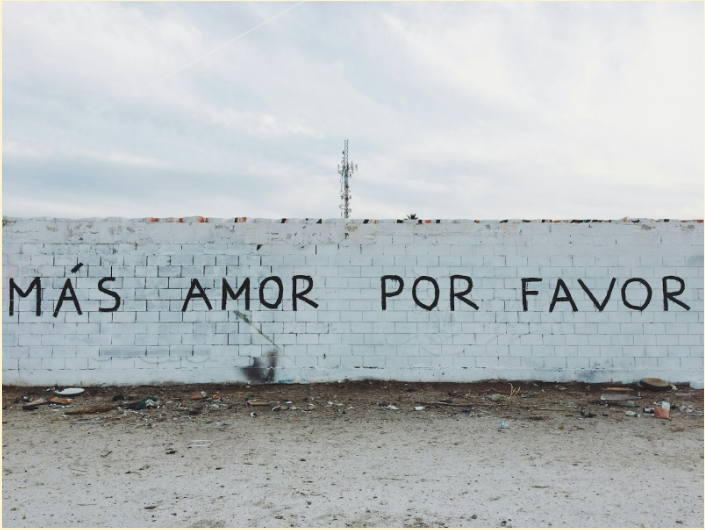

The Spanish Language in American History & Culture
Out of the estimated 600 million Spanish speakers worldwide, 13% of U.S. residents speak the language at home. Plus, our nation has the second-largest population of Spanish speakers in the world. These statistics demonstrate the significant role the Spanish language plays in American life and culture.
Many speak Spanish to communicate and connect with their roots. It’s a language that has reached almost every part of our country’s society, going beyond local communities. Whether you’re shopping outside or watching TV shows, you might hear business owners, reporters, or even top actors speak Spanish.

Welcome to United Tribes
Where Spanish Culture Comes Alive
Join Your Tribe
Connect with your people
Discover Events
Watch parties & festivals
Find Spanish Businesses
Restaurants, markets & more
Earn Crown Credits
Get rewarded for engaging
To understand why Spanish is an important language in the U.S., we must examine its deep roots in American history and lasting cultural impact.
Spanish was spoken in parts of what is now the United States long before the arrival of English. Several centuries ago, Spanish explorers and settlers established communities throughout the Southwest, leaving a lasting linguistic legacy that endures to this day. Spanish has existed in the U.S. nearly as long as many Native American languages, though Indigenous tongues, of course, predate colonization. Today, in states like New Mexico, Texas, Arizona, and California, you'll find vibrant Latin communities where Spanish is spoken alongside English in everyday life.
Culturally, language plays a central role in preserving identity and heritage. For generations, Latinos and Latin Americans in the U.S. have sustained their traditions through Spanish, passing down stories, values, and customs through the spoken and written word. Celebrations such as Día de los Muertos (Day of the Dead) remain alive and meaningful because the language that carries them has endured.
More than anything, why Spanish is an important language becomes clear when we see how it connects families across generations. While many Latin residents of the U.S. are bilingual or primarily English-speaking, Spanish often remains the language of the home. It helps strengthen family ties, build cultural pride, and maintain a strong sense of belonging within a broader global community.
A Closer Look at Spain’s Economic Impact
Spanish also offers businesses and professionals plenty of economic opportunities. Many companies see the language as their key to reaching Latino consumers.
- Some U.S. brands have made bilingual ads for their products, offered Spanish-language customer support, and attracted Latinos with culturally relevant marketing campaigns.
- National and local grocery stores sell Spanish-made products.
- Television networks and video streaming websites create and show Spanish-language programs and movies.
- Spanish songs are played on American radio stations and music streaming services, such as Spotify.
- Other companies provide their customers or clients with Spanish-language resources to gain their trust.
Being fluent in Spanish helps professionals climb the corporate ladder. If you’re a Spanish-speaking healthcare professional, you can better serve Latino patients. This can help patients maintain their health and foster stronger relationships with their doctors.
Schools, law enforcement agencies, and non-profit organizations also value the Spanish language. Many schools look for and hire bilingual teachers for dual-language curricula and English language learners. Additionally, there are jobs for Spanish speakers who want to serve Latino communities.
Spanish’s Presence in American Society & Media
For many Latinos and Latin Americans, getting important information in Spanish encourages them to fulfill their civic duties.
- Latino communities in the U.S. can access numerous Spanish-language resources: voting guides, public health updates, legal guidance, school announcements, and more.
- Media outlets such as Univision and Telemundo air news, entertainment, and educational programs specifically designed for Spanish speakers.
- At the local level, TV programs, radio stations, and newspapers feature Latino and Latin American residents, sharing their experiences, concerns, and achievements with others.
With thousands of foreign residents who speak different languages, including Spanish, American life becomes more diverse. Today, American families can enroll their children in Spanish immersion schools where they learn the language and discover Spanish culture. Their curriculum has been shown to:
- Help young students succeed in a multicultural world.
- Support cognitive development.
- Foster empathy.
The Importance of the Spanish Language in the Classroom
Spanish has also become a significant part of our educational system. Many of our public schools offer dual-language immersion programs to children, allowing them to learn Spanish and English simultaneously. Like single-language immersion, dual-language academic programs enable students to learn a new language, excel academically, and develop a deeper appreciation for other cultures.
Learning Spanish doesn’t end after early education, though. Search for Spanish language learning in colleges and universities on Google, and you may find some institutions offering it in the results. This academic experience prepares students for careers in international business, diplomacy, education, and social services.
- Another excellent way to learn the Spanish language is through special courses.
- Some individuals use these lessons to enhance their skill sets and compete with other job seekers.
- You can also learn Spanish at language centers, although mobile apps like Duolingo are great for on-the-go learning.
Diversity in the U.S.: Where Does Spanish Stand?
Spanish staying relevant for several centuries shows how diverse our nation is. It co-exists with American culture in multiple areas, from popular music to sports. Latino and Latin American creatives express themselves and inspire other people through Spanish-language works. Moreover, Latino communities celebrate traditional festivals and special holidays with their friends and neighbors, keeping traditions alive, building community, and fostering diversity.
Still, Spanish can cease to exist in our fast-paced world. Latino families and communities are tasked with ensuring that the language endures despite significant changes and threats to its diversity. Cultural centers, events, and religious institutions help Spanish and its varieties thrive.
Amidst heated talks about identity, inclusion, and belonging, the Spanish language continues to support and foster multicultural values. It invites Latinos and other people in the U.S. to connect, understand each other’s cultural backgrounds, and grow together.
Discover the Rich Culture Behind the Spanish Language
The importance of the Spanish language to our nation is highly remarkable. It defines the lives of Latinos and Latin Americans, starting at their homes and extending to American society and cultural diversity.
With the latter under attack, learning and using Spanish on a daily basis helps build a more inclusive, vibrant, and interconnected society. They continue a story that reflects the strong spirit of a diverse nation.
If you’re looking for good opportunities to experience Spanish culture, browse United Tribes’ online event directory today. Or, visit our blog for more guides about the Spanish language and Latino culture.
Make United Tribes Your Preferred Source
Add United Tribes on Google to get the latest stories, cultural updates, and community events directly in your Google Search and Top Stories.