
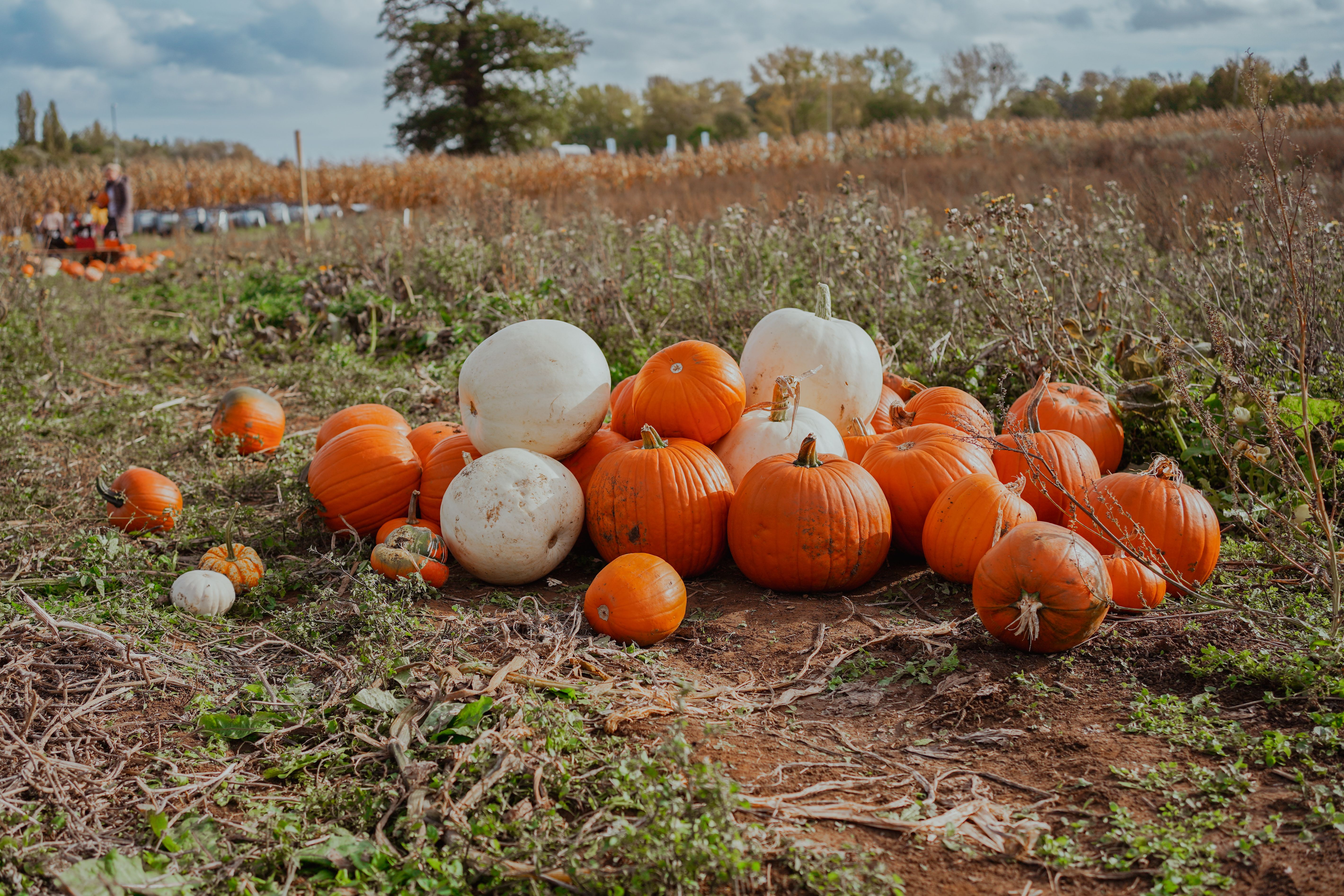

Every October, something pulls American families off their couches and onto muddy farm paths in search of the perfect pumpkin. It's not just about Halloween decorations. The ritual of walking through rows of orange-and-gold gourds, breathing in cool air, and carrying home a heavy, imperfect pumpkin has taken on a life of its own. Pumpkin patch tradition in America is one of those cultural phenomena that feels ancient but is surprisingly modern in form — a blend of agricultural heritage, seasonal nostalgia, and the very human need to mark the passage of time.
From Field Crop to Cultural Fixture
Pumpkins have grown on North American soil for thousands of years. Indigenous communities cultivated them long before European settlers arrived, using them as a reliable food source through winter months. Early American farmers kept growing pumpkins as practical sustenance—roasted, mashed, and preserved. They were never glamorous. They were workhorses of the harvest.

Welcome to United Tribes
Where American Culture Comes Alive
Join Your Tribe
Connect with your people
Discover Events
Watch parties & festivals
Find American Businesses
Restaurants, markets & more
Earn Crown Credits
Get rewarded for engaging
Through the 18th and 19th centuries, pumpkins were simply part of the agricultural calendar. Farms harvested them alongside corn, squash, and root vegetables as fall signaled the end of the growing season. The idea of visiting a farm specifically to pick a pumpkin would have baffled any 19th-century farmer.
How Farms Became Seasonal Destinations
The transformation began gradually in the mid-20th century as American life shifted away from agriculture. As fewer families lived on or near working farms, the farm itself became a novelty. By the 1970s and 1980s, some enterprising farmers recognized that suburban families — hungry for a taste of rural life — would pay to experience what had once been ordinary labor.
Pick-your-own operations started appearing across the country. Apple orchards opened their gates first, and pumpkin patches followed. Farms that might have sold pumpkins wholesale to grocery stores began selling the experience of choosing one directly from the vine. The price premium was real, but so was the demand.
By the 1990s, the evolution accelerated. Farms added tractor-pulled hayrides, corn mazes cut into geometric patterns, hot apple cider stations, and face painting for children. What had been a five-minute errand became a half-day outing. The pumpkin patch became a destination, and American fall culture found a new anchor event.
The Role of the American Calendar
Part of what cemented pumpkin picking as a ritual is how perfectly it fills a gap in the American seasonal calendar. Summer ends abruptly after Labor Day. The next major gathering event — Thanksgiving — sits in late November. October, with its cooling temperatures and changing leaves, offers a window where people want to do something seasonal but don't yet have a structured occasion.
Pumpkin patches filled that window. They gave families a reason to gather, an activity that required leaving the house, and a tangible product to bring home. Unlike many American October traditions, pumpkin picking is inherently photogenic and participatory — which explains why it translated so well into the social media era.
Apples, Cider, and the Broader Fall Harvest Experience
Modern pumpkin patches rarely sell only pumpkins. The surrounding experience has become more like a seasonal fair. Visitors expect:
- Fresh-pressed apple cider and cider donuts
- Corn mazes ranging from simple to elaborate
- Hayrides through decorated fields
- Gourds, squash, and ornamental corn for autumn decorating
- Farm animals for children to interact with
- Local honey, jams, and baked goods at farm stands
This expansion reflects a broader American appetite for what might be called agritourism — the act of visiting farms not for food production but for experience. Farms that once struggled with thin margins found that October weekends could generate significant seasonal revenue. The pumpkin patch became a small business model as much as a cultural tradition.
This entrepreneurial evolution mirrors what United Tribes documents across cultural communities — the way tradition and commerce interweave in American life, creating spaces where heritage becomes a living, shared experience rather than something preserved only in memory.
Photography, Nostalgia, and the Meaning of the Ritual
Ask most American parents why they take their children to a pumpkin patch, and the honest answer involves photographs. The image of a small child dwarfed by a giant pumpkin, or a family posed at the entrance of a corn maze, has become a defining visual of fall traditions in the USA. The ritual generates proof of participation — proof that the season was marked, that the family showed up, that childhood was experienced fully.
There is something deeper in that impulse. As American holidays and seasonal traditions continue evolving, pumpkin patches represent a relatively uncomplicated, non-commercialized event. No gifts are required. No elaborate meal must be prepared. The act itself — walking, choosing, carrying — is the point.
This simplicity helps the tradition endure. It scales across income levels, works for toddlers and grandparents alike, and asks nothing except presence.
A Tradition Still Taking Root
What makes the pumpkin patch tradition particularly interesting is how recently it fully formed. Unlike Thanksgiving or Independence Day, it carries no fixed date, no official origin, and no single cultural authority. It emerged organically from farming economics, suburban nostalgia, and seasonal appetite. It continues evolving — some patches now offer nighttime lantern tours, escape-room barns, or gourmet food trucks alongside their pumpkin rows.
As cultural heritage finds new expressions in modern America, the pumpkin patch shows that traditions don't always arrive fully formed. Sometimes they grow slowly, season by season, until one October they simply feel inevitable.
The Patch Is Still Growing
The American pumpkin patch tradition tells a quiet story about how a nation reinvents its relationship with the land. What began as a practical crop became a seasonal ritual — one built not by government decree or religious calendar, but by families choosing, year after year, to make October mean something. The hayrides, the cider, the muddy boots, and the imperfect pumpkin rolled into the back seat are all part of a tradition that is still being written.
For a country shaped by waves of immigration and cultural exchange, the pumpkin patch also represents something inclusive. It asks very little of its participants and welcomes anyone willing to show up on a cool Saturday morning. Head to United Tribes to explore how communities across America are celebrating, preserving, and reimagining seasonal traditions like this one — and discover the cultural businesses and events keeping those stories alive.
Make United Tribes Your Preferred Source
Add United Tribes on Google to get the latest stories, cultural updates, and community events directly in your Google Search and Top Stories.