
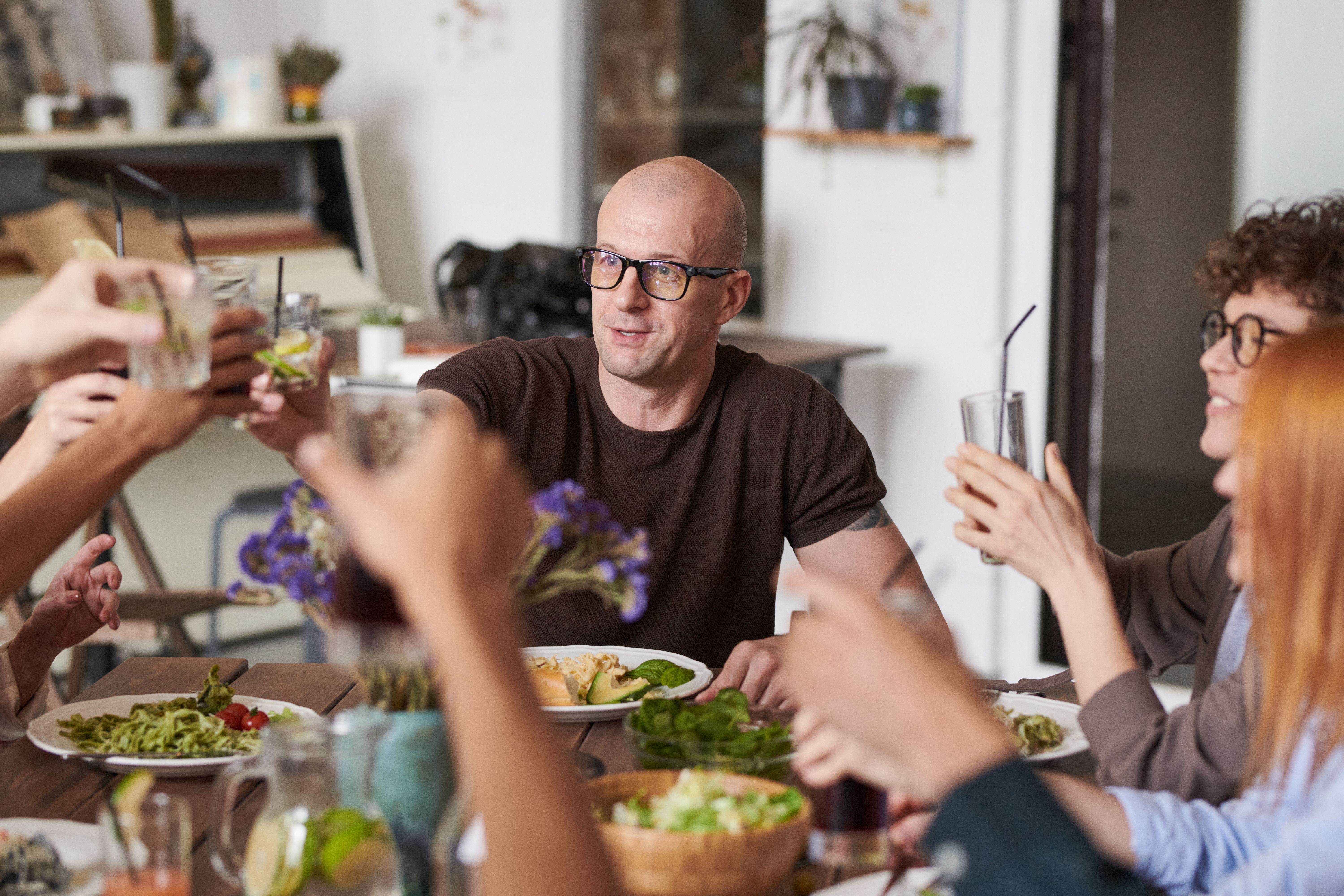

Food as a Universal Language
There is something profoundly human about gathering around a table. Around the world, shared meals mark milestones, welcome strangers, mend relationships, and carry the weight of cultural memory. For multicultural communities in the United States, the family meal is often the most consistent thread connecting generations to their roots. Whether it is a Sunday afternoon feast or a ceremonial spread at a wedding, food transforms ordinary moments into acts of belonging.
Filipino Hospitality: Always Room for One More
In Filipino culture, the phrase *"Kain na tayo"* — "Let's eat" — is less an invitation and more a declaration of love. Filipino households operate on the principle that there is always room at the table, regardless of whether the guest was expected. Boodle fights, communal meals where food is spread directly on banana leaves and eaten by hand, are among the most vivid expressions of this philosophy.

Welcome to United Tribes
Where Diverse Cultures Come Alive
Join Your Tribe
Connect with your people
Discover Events
Watch parties & festivals
Find Tribe Businesses
Restaurants, markets & more
Earn Crown Credits
Get rewarded for engaging
Family meals in Filipino communities mark every significant life event: baptisms, graduations, fiestas, and even wakes. Dishes like lechon, pancit, and kare-kare carry generational meaning. For Filipino-Americans, recreating these meals is a deliberate act of cultural preservation, a way of saying that distance from the homeland does not mean distance from identity.
Indian Traditions: Feeding as a Form of Devotion
In Indian culture, food is inseparable from spirituality. The concept of "annadanam," the gift of food, is considered one of the highest forms of service. Across Hindu, Muslim, and Sikh traditions, feeding others is a religious duty as much as a social one. Langar, the free communal kitchen found in Sikh gurdwaras, feeds thousands daily regardless of faith, background, or status.
Indian community gatherings around food are equally elaborate in secular contexts. Festival celebrations like Diwali and Eid transform households into open-door kitchens where neighbors, coworkers, and even strangers are welcomed with sweets and savory dishes. For Indian-Americans navigating life between two worlds, these meals serve as anchors, reminders of who they are when so much else demands adaptation.
Persian Culture: The Art of Generous Tables
Persian hospitality is an art form. The concept of taarof, a deeply ingrained code of courtesy, means that a host will insist on feeding guests far beyond what is comfortable, and a guest is expected to initially decline before graciously accepting. This ritual of offering and receiving is an expression of profound respect.
The Persian table, or sofreh, is a ceremonial concept extending well beyond daily meals. At weddings, the sofreh aghd is spread with symbolic foods representing fertility, sweetness, and prosperity. During Yalda Night, Iran's winter solstice celebration, families gather for hours over pomegranates, nuts, and poetry, a tradition that Iranian-American communities actively preserve across the U.S.
Persian cultural traditions around food also vary dramatically by region. From the herb-laden stews of the north to the saffron-rice dishes of central Iran, regional Iranian cuisine tells the story of a diverse nation through flavor.
Latino Communities: Celebration Lives in the Kitchen
For Latino families spanning Mexican, Colombian, Ecuadorian, Brazilian, and other heritages, the kitchen is the emotional center of the home. Shared meals are rarely quiet affairs. They are loud, layered, and full of ritual. Quinceañeras, Día de los Muertos altars laden with food offerings, and Sunday pozole after church are all expressions of community identity encoded in eating.
Multicultural communities of Latino heritage in the U.S. often use food as their most accessible bridge to younger generations who may speak English as a first language. Teaching a daughter to make tamales by hand, or a son to season rice properly, is an act of cultural transmission. The recipe is secondary: the relationship built in the process is the real inheritance.
Somali Traditions: Meals as Milestones
Somali culture places enormous significance on communal eating as a marker of trust and solidarity. Guests are always served first and given the choicest portions, a custom that reflects deep respect for the visitor. Celebrations like Eid al-Fitr bring extended families together over dishes like *suqaar*, *baasto*, and fragrant rice with slow-cooked meats, turning the end of Ramadan into a multi-day feast shared across entire neighborhoods.
For Somali-Americans, particularly in cities like Minneapolis and Columbus with established diaspora communities, these cultural traditions around food also function as community infrastructure. Shared meals after Friday prayers, catered gatherings for new arrivals, and food-centered fundraisers all reinforce the social fabric that helps families navigate life in a new country.
What Every Table Has in Common
Across Filipino, Indian, Persian, Latino, and Somali traditions, certain truths repeat. Food is rarely just food. It is welcome, memory, obligation, and love made tangible. The act of preparing something for another person, hours of labor translated into a plate, communicates care in a language that needs no translation.
Platforms like United Tribes recognize this. By connecting people to culturally rooted businesses and events, the platform helps communities maintain the very traditions that shared meals carry forward. The rise of multicultural food fairs across U.S. cities is one powerful sign that these traditions are expanding into new public spaces and finding new audiences.
Every Meal Tells a Deeper Story
From the banana-leaf tables of Filipino fiestas to the ceremonial sofreh of Persian weddings, shared meals are among the most enduring ways that communities preserve who they are. Food carries history, communicates values, and creates the belonging that no document or declaration can replicate. Across Filipino, Indian, Persian, Latino, and Somali communities, sitting down together is never a small act — it is an affirmation of identity and connection.
For diaspora communities in the United States, these moments carry extra weight. Every home-cooked meal made from memory, every family recipe passed between generations, is a quiet act of resistance against cultural erasure. Multicultural communities thrive not despite their traditions but because of them, and the table remains one of the most democratic spaces any culture has ever created.
Head to United Tribes to connect with culturally rooted businesses, events, and communities that keep these food traditions alive and accessible across the U.S.


