
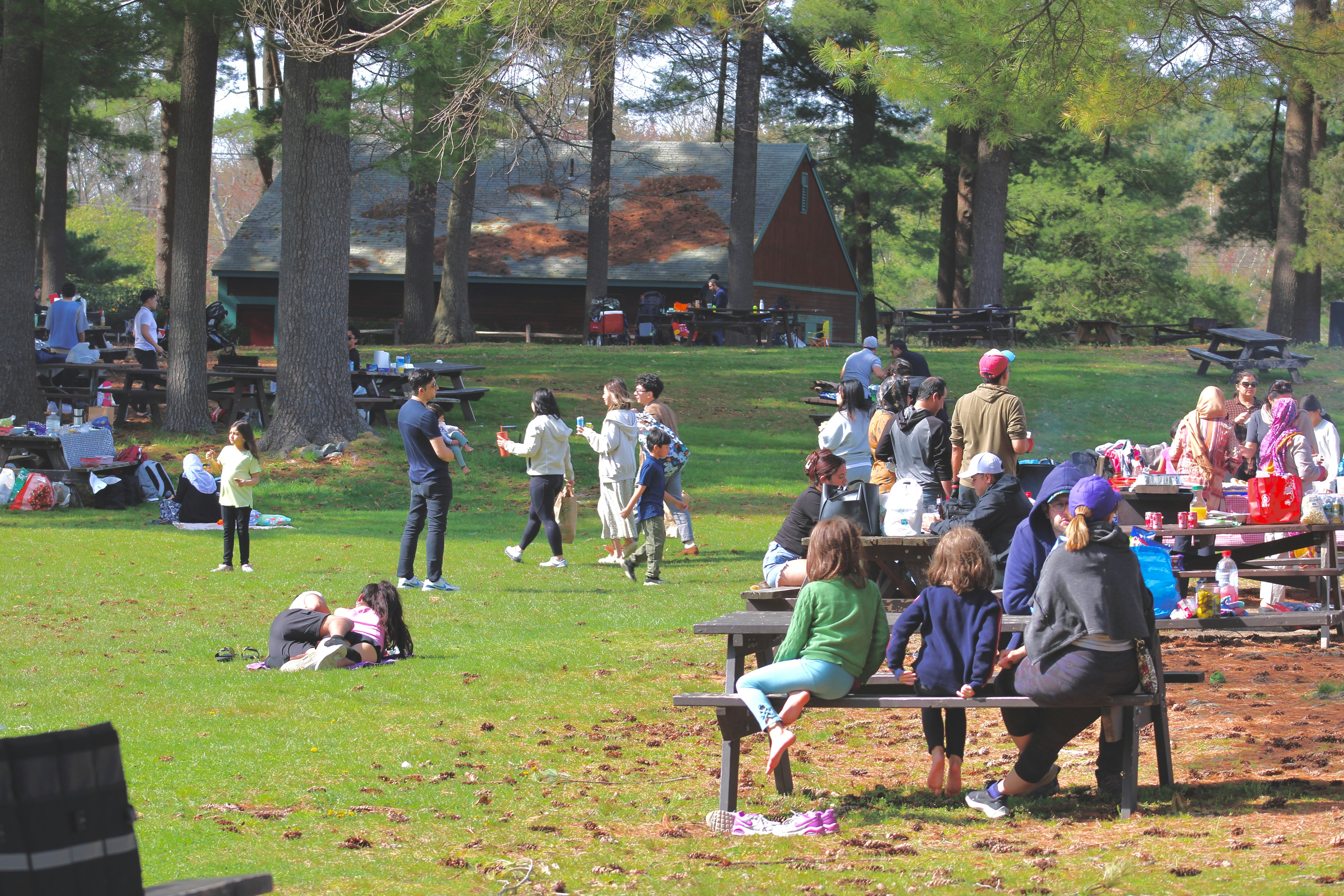


As winter's grip begins to loosen across America, communities nationwide embrace the transformative period between seasons with cherished traditions that celebrate renewal, hope, and togetherness. The period between winter and spring holds special significance in American community life, as neighborhoods, cities, and regions prepare for the awakening that comes with longer days and warmer temperatures. These traditions serve as vital touchstones that strengthen community bonds while honoring both historical legacies and contemporary celebrations.
The Cultural Tapestry of February Celebrations
February marks the beginning of America's seasonal transition with a rich array of community celebrations that reflect the nation's diverse heritage. American seasonal traditions during this month showcase the beautiful convergence of multiple cultural influences that have shaped modern community life.
Presidents' Day weekend often serves as the unofficial kickoff for spring preparation activities across many American communities. Towns and cities organize winter festivals that simultaneously celebrate the remaining snow while anticipating warmer days ahead. These events typically feature ice sculpture contests, winter sports competitions, and community gatherings that bring neighbors together during the traditionally quiet winter months.
Valentine's Day transforms into community-wide celebrations that extend far beyond romantic partnerships. Many American towns organize events disguised as Valentine's Day festivities, such as community garden planning meetings, neighborhood cleanup initiatives, and local business promotions that prepare for the upcoming tourist season.
Black History Month celebrations throughout February also contribute significantly to the seasonal transition narrative, as many events center on themes of growth, progress, and renewal that align with spring's arrival. Community centers, libraries, and schools organize educational programs that celebrate African American contributions to agricultural traditions, environmental stewardship, and community building.
March Madness Beyond Basketball
While March Madness captures national attention through basketball, American communities create their own versions of March excitement through local traditions that celebrate the official arrival of spring. American seasonal traditions during March often center around outdoor activities that were impossible during winter's harsh conditions.
Community sports leagues begin their seasons with opening day ceremonies that feel more like festivals than simple game starts. Local baseball, soccer, and softball leagues organize family-friendly events with food vendors, live music, and activities for children. These gatherings serve multiple purposes: they mark the return of outdoor recreation, strengthen neighborhood connections, and celebrate the longer daylight hours that enable evening games.
Many American communities organize "March into Spring" festivals that combine elements of winter farewell ceremonies with spring welcoming traditions. These events often feature local musicians, artisan vendors, and food trucks that represent the community's diverse culinary traditions. The festivals create opportunities for residents to reconnect after winter's indoor isolation while supporting local businesses as they prepare for their busy seasons.
Regional Variations in Seasonal Transitions
The beauty of American seasonal traditions lies in their regional diversity, as different areas of the country experience and celebrate the winter-to-spring transition in unique ways that reflect their local climates, geographies, and cultural heritages.
Northern Communities and Snow Festivals
In northern states where winter lingers longer, communities often celebrate the season's end with elaborate snow festivals that transform what might be seen as winter's final inconvenience into community celebration. Cities such as Minneapolis, Buffalo, and Anchorage host weekend-long events featuring ice-carving competitions, sledding contests, and outdoor markets where vendors serve warm foods and beverages.
Rather than simply enduring the final weeks of winter, communities actively engage with the season, building anticipation for spring's arrival. Many festivals include spring preparation workshops where residents learn about gardening, home improvement, and outdoor recreation planning.
Southern Traditions and Early Spring
Southern communities experience earlier spring arrivals, allowing for different types of seasonal transition celebrations. Many towns organize outdoor markets and festivals that capitalize on the pleasant weather in February and March, creating events that would be impossible in northern climates.
Azalea festivals, cherry blossom celebrations, and early wildflower events characterize southern American seasonal traditions during this period. These celebrations often include guided nature walks, photography workshops, and educational programs about local ecosystems. Community gardens begin their planting seasons earlier, creating opportunities for neighborhood collaboration and skill-sharing.
Coastal Communities and Maritime Traditions
American coastal communities celebrate the winter-to-spring transition through maritime-themed events that acknowledge the ocean's role in seasonal changes. Fishing tournaments, boat shows, and harbor festivals mark the beginning of warmer weather and calmer seas.
Many coastal towns organize "blessing of the fleet" ceremonies during this transition period, combining spiritual traditions with community celebration. These events often feature local seafood festivals, maritime history exhibitions, and activities that celebrate the relationship between community life and ocean resources.
Modern Adaptations of Historical Traditions
Contemporary American seasonal traditions successfully blend historical practices with modern community needs, creating celebrations that honor the past while serving present-day social and economic purposes. Many communities have adapted traditional agricultural celebrations to fit suburban and urban environments.
Urban communities organize rooftop garden tours, community composting workshops, and farmers market preparation events that serve similar community-building functions as historical barn-raising and crop-planting traditions. These modern adaptations maintain the collaborative spirit of traditional spring community life while addressing contemporary interests in sustainability and local food systems.
Technology integration has enhanced rather than replaced traditional celebrations. Many communities use social media platforms to coordinate volunteer activities, share event information, and document celebrations for future generations. Live-streaming capabilities allow extended family members and former residents to participate virtually in community traditions.
Community Building Through Seasonal Celebrations
The winter-to-spring transition period offers unique opportunities for community building that extend far beyond simple entertainment. Spring community life and preparation activities create natural opportunities for neighbors to collaborate on projects that benefit everyone while strengthening social connections.
Many American communities organize "spring preparation days" where residents collaborate on neighborhood improvement projects. These events may include preparing community gardens, cleaning up local parks, and maintaining community centers or shared spaces. The collaborative nature of these activities builds relationships that extend throughout the year.
Local business communities often organize merchant associations and promotional events during this transition period to prepare for the increased foot traffic and tourism that typically accompany warmer weather. These business-focused celebrations contribute to the overall community spirit while supporting economic development.
Educational and Cultural Programs
Libraries, schools, and community centers organize educational programs that teach residents about local history, natural history, and cultural traditions associated with seasonal changes. These programs often feature guest speakers, workshops, and hands-on activities that engage participants of all ages.
Historical societies organize exhibitions and events that explore how previous generations celebrated seasonal transitions, creating connections between past and present that enrich contemporary celebrations. These educational components add depth and meaning to community festivals while preserving important cultural knowledge.
Embracing America's Seasonal Community Spirit
As communities across the nation prepare for another cycle of seasonal celebration, the traditions that mark winter's end and spring's beginning serve as powerful reminders of what makes American spring community life so vibrant and diverse. From northern snow festivals to southern flower celebrations, these traditions reflect the unique character of local communities while contributing to the broader tapestry of American cultural life.
Visit United Tribes today and find out more about American culture and community celebrations that bring neighbors together throughout the changing seasons.


