
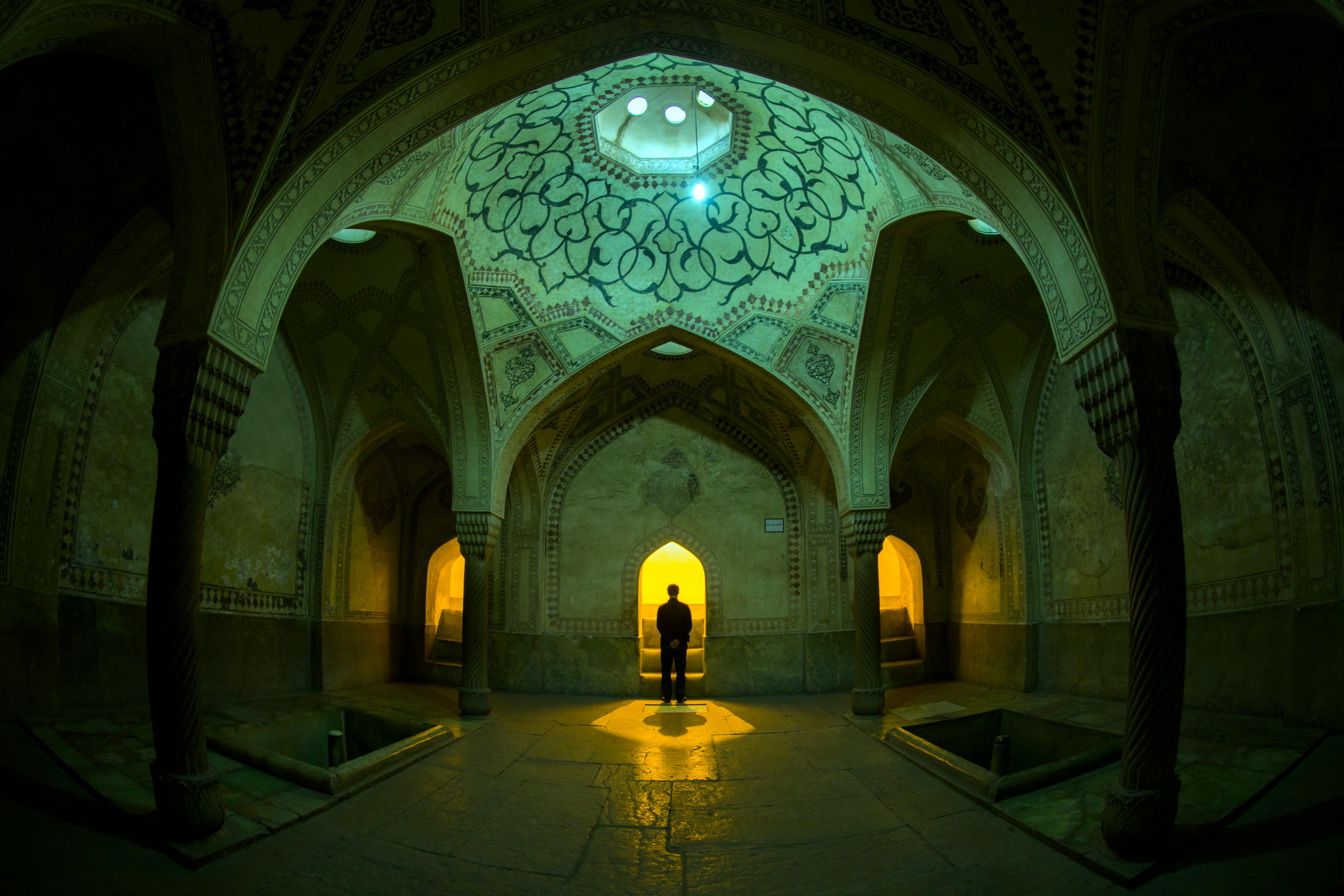


As December's winter solstice approaches, Iranian-American communities across the United States prepare for one of Persia's most cherished traditions: Yalda Night or Shab-e Yalda. This ancient celebration transforms the year's longest night into a vibrant gathering of family, friends, poetry, and cultural connection. From Los Angeles to New York, Persian communities host elaborate poetry readings, traditional feasts, and cultural events that bridge millennia-old traditions with modern American life.
Yalda Night celebrations have become increasingly popular, drawing not only Iranian-Americans but also curious neighbors eager to experience the warmth and richness of Persian culture. These gatherings are a testament to cultural resilience and the power of community in preserving ancient wisdom for future generations.
Ancient Origins and Cultural Significance
Yalda Night traces its roots back over 5,000 years to ancient Persia, where Zoroastrians celebrated the triumph of light over darkness. The word "Yalda" derives from the Syriac word meaning "birth," symbolizing the rebirth of the sun after the winter solstice. This profound connection between astronomical events and spiritual renewal forms the foundation of Iranian winter traditions that continue to flourish in diaspora communities today.
The celebration represents a cosmic battle between Ahriman (darkness) and Ahura Mazda (light), with the winter solstice marking light's inevitable victory. Ancient Persians believed that staying awake throughout this longest night would protect them and their loved ones from misfortune, a tradition that modern celebrants maintain through storytelling, poetry recitation, and communal gathering.
In Persian culture, Yalda embodies the concept of togetherness, overcoming adversity. The tradition emphasizes that even in the darkest moments, community, love, and cultural connection can provide warmth and hope. This message resonates particularly strongly with Iranian-American families who use Yalda as an opportunity to share their heritage with younger generations and strengthen cultural identity in their adopted homeland.
Traditional Yalda Celebrations Across America
Iranian-American communities have transformed Yalda Night into spectacular cultural events that honor tradition while embracing contemporary American life. Major cities like Los Angeles, Washington D.C., and Houston host large-scale community celebrations in cultural centers, universities, and community halls, drawing hundreds of participants eager to experience authentic Persian hospitality.
Community Cultural Centers and Gathering Spaces
Persian cultural organizations across the country coordinate elaborate Yalda celebrations featuring traditional music, dance performances, and storytelling sessions. The Persian Cultural Center in Los Angeles typically hosts one of the largest Yalda Night events, complete with traditional Persian carpets, candlelit ambiance, and carefully curated displays of pomegranates, watermelons, and other symbolic foods.
These community events often feature local Persian musicians performing classical and folk music, creating an atmosphere that transports participants to ancient Persia while celebrating their American Persian identity. Many events also include children's activities designed to teach younger generations about their cultural heritage through interactive storytelling and traditional games.
University Campus Celebrations
Persian student associations at major universities organize Yalda celebrations that introduce non-Persian students to Iranian culture while providing homesick international students with a taste of home. These campus events often blend traditional elements with contemporary presentations, featuring student poetry readings in both Persian and English, cultural exhibitions, and educational presentations about Persian history and traditions.
Poetry Gatherings and Literary Traditions
Persian poetry gathering events during Yalda Night represent one of the most beloved aspects of the celebration. The works of Hafez, Iran's most revered poet, take center stage as families and friends engage in "fal-e Hafez," the traditional practice of seeking guidance and fortune through randomly selected verses from his collected works, the Divan.
The Art of Fal-e Hafez
Participants gather around beautifully illuminated copies of Hafez's poetry, taking turns to silently ask a question before randomly opening the book. The selected poem is then read aloud and interpreted collectively, creating moments of reflection, laughter, and meaningful discussion. This practice connects modern Persian-Americans to centuries of literary tradition while creating opportunities for intergenerational bonding.
Many of these celebrations feature professional Persian poetry reciters who perform classical works with traditional musical accompaniment. These performances often include works by other master poets like Rumi, Saadi, and Omar Khayyam, creating a rich tapestry of Persian literary heritage that resonates across cultural and linguistic boundaries.
Modern Poetry and Cultural Expression
Contemporary Iranian-American poets often premiere new works during Yalda celebrations, exploring themes of diaspora experience, cultural identity, and the intersection of Persian and American values. These modern interpretations of ancient traditions demonstrate the living, evolving nature of Persian culture in America, showing how traditional Persian values and customs continue to inspire new forms of artistic expression.
Traditional Foods and Symbolic Elements
The Yalda feast centers around foods that symbolically represent the triumph of summer over winter, life over death, and abundance over scarcity. Traditional Persian hospitality shines during these celebrations, as hosts prepare elaborate spreads featuring both seasonal winter fruits and preserved summer delicacies.
Essential Yalda Foods
Pomegranates and watermelons serve as the celebration's primary symbols, representing the cycle of seasons and the promise of summer's return. Persian families often compete to find the most perfect specimens, with the red seeds of pomegranates symbolizing the glow of life and the sweetness of watermelon representing the joys that await after winter's hardships.
Mixed nuts and dried fruits create colorful displays that encourage grazing and conversation throughout the long night. Pistachios, almonds, walnuts, and hazelnuts are carefully arranged alongside dried apricots, figs, and dates, creating a feast that spans hours rather than minutes. These foods carry deep cultural significance, as they represent prosperity, fertility, and the abundance that follows patient endurance.
The traditional preparation of these symbolic foods often involves understanding Persian hospitality customs that emphasize generosity, respect for guests, and the creation of welcoming environments that reflect Persian values of community and connection.
Modern Adaptations and Fusion Elements
Iranian-American families often blend traditional Yalda foods with American holiday traditions, creating unique fusion celebrations that honor both cultures. Some families incorporate seasonal American fruits like cranberries and winter squash into their Yalda spreads, while others prepare traditional Persian dishes using ingredients readily available in American markets.
Many celebrations feature elaborate Persian rice dishes, herb-laden stews, and grilled meats that showcase the essential spices and flavors of Persian cuisine, allowing guests to experience the full spectrum of Persian culinary tradition alongside the symbolic Yalda foods.
Preserving Tradition in Modern America
For Iranian-American families, Yalda Night serves as a crucial cultural anchor that helps maintain connections to Persian heritage while fully embracing American life. Parents use the celebration as an opportunity to teach children about their ancestral culture, sharing stories, explaining traditions, and creating lasting memories that will be passed to future generations.
Intergenerational Cultural Transmission
Many Yalda celebrations feature grandparents sharing oral histories, recounting their own childhood Yalda memories from Iran, and explaining the deeper meanings behind traditional practices. These storytelling sessions create powerful bonds between generations while ensuring that cultural knowledge continues to flow from elders to youth.
The celebration also provides opportunities for Iranian-American children to practice Persian language skills, learn traditional songs, and develop an appreciation for Persian poetry and literature. Many families report that Yalda Night becomes their children's favorite cultural celebration, as it combines the excitement of staying up late with the warmth of family connection and cultural discovery.
Community Building and Cultural Pride
Iranian winter traditions like Yalda Night help strengthen Persian-American community bonds while building bridges with broader American society. Many celebrations welcome non-Persian neighbors and friends, creating opportunities for cultural exchange and mutual understanding that enriches both the Persian and American communities.
These celebrations often become annual traditions that friends and neighbors anticipate, with non-Persian participants learning to recite Hafez poetry, prepare traditional foods, and appreciate the depth and beauty of Persian culture. Such cross-cultural connections demonstrate how Persian traditions and values continue to enrich American cultural diversity while maintaining their essential character and meaning.
Celebrating Persian Heritage Through Community
Yalda Night celebrations across America demonstrate the enduring power of cultural tradition to create community, preserve identity, and build bridges between generations and cultures. Through traditional feasts and storytelling sessions, Iranian-American families maintain vital connections to their ancestral heritage while contributing to America's rich cultural tapestry. These celebrations prove that ancient wisdom and modern life can coexist beautifully, creating meaningful experiences that honor the past while embracing the future.
The growth of Yalda Night events reflects the broader success of Persian-Americans in preserving their cultural identity while fully participating in American society. As these traditions continue to evolve and adapt, they serve as powerful reminders that cultural diversity strengthens communities and enriches the American experience for everyone involved.
Visit United Tribes today and find out more about Persian culture and community celebrations that bring ancient traditions to life in modern America.


