
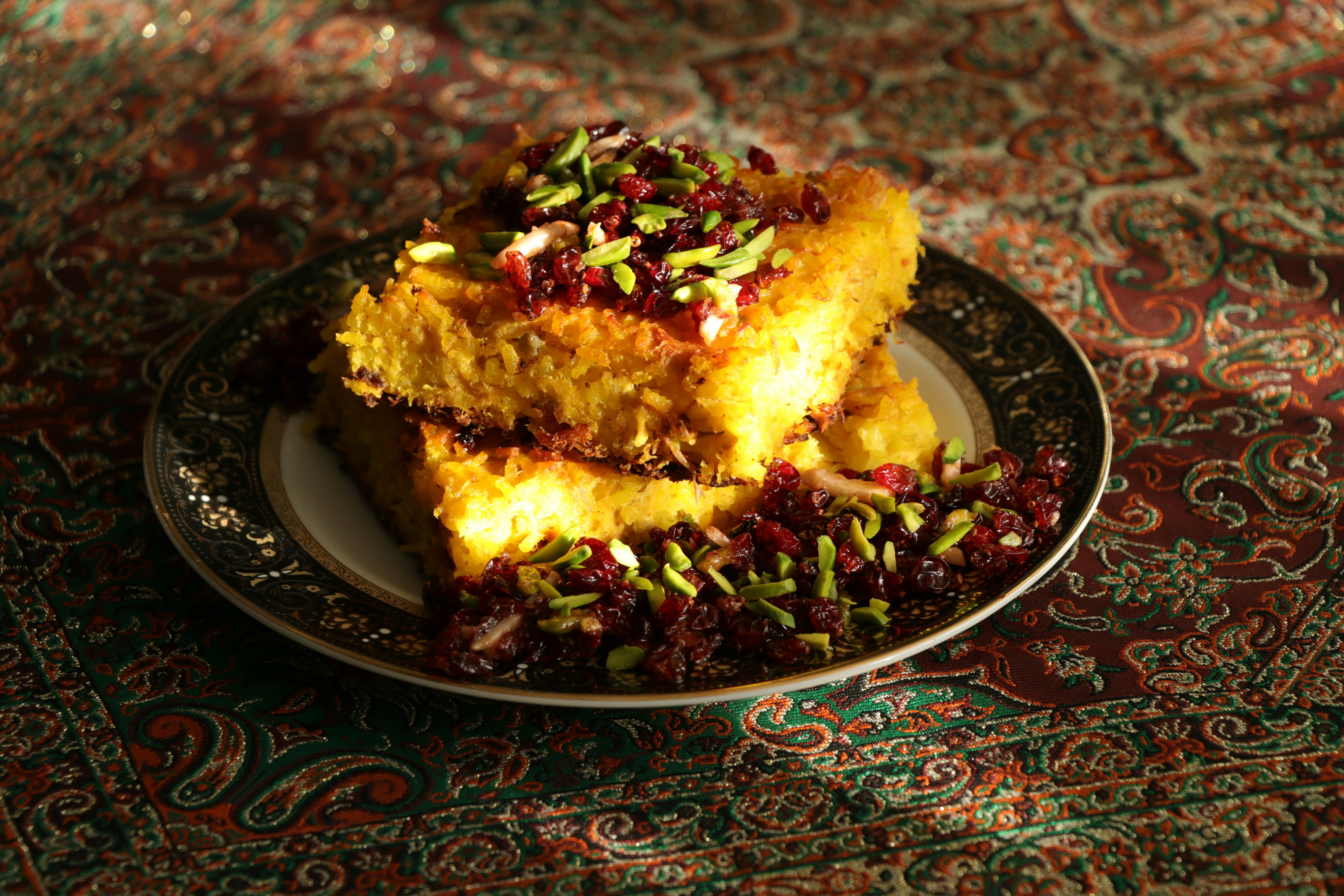

The vibrant colors of the Haft-Sin table may have been carefully packed away, and the last guests from Nowruz celebrations may have bid their farewells. Still, the spirit of Persian New Year continues to flourish in Iranian households across America. While the formal ceremonies mark the beginning of spring, it's the everyday Persian spring food traditions that truly sustain the joy and renewal that Nowruz represents. These culinary customs serve as daily reminders of our heritage, connecting Iranian families in the diaspora to their roots while creating new memories for future generations.
The Extended Table: Meals That Bridge Celebration and Everyday Life
Persian home cooking takes on special significance in the weeks following Nowruz, as families continue to prepare dishes that carry the symbolic weight of renewal and abundance. The transition from celebratory feasts to daily meals doesn't diminish the cultural importance of food; rather, it demonstrates how deeply embedded these traditions are in Persian identity.

Welcome to United Tribes
Where Persian Culture Comes Alive
Join Your Tribe
Connect with your people
Discover Events
Watch parties & festivals
Find Persian Businesses
Restaurants, markets & more
Earn Crown Credits
Get rewarded for engaging
Khoresheh Fesenjan, with its rich pomegranate walnut sauce, appears frequently on post-Nowruz tables, representing the continuation of abundance and the sweet-and-sour balance of life. This beloved stew, often prepared with duck or chicken, requires patience and attention – qualities that mirror the Persian approach to maintaining cultural traditions in a fast-paced American lifestyle.
Ghormeh Sabzi, perhaps the most iconic of Persian stews, showcases the importance of fresh herbs, which are celebrated during Nowruz. The combination of parsley, cilantro, chives, and fenugreek leaves creates a verdant dish that literally brings the green of spring to the dining table. Many Iranian families make large batches during the spring months, freezing portions to enjoy throughout the year as a taste of renewal.
The preparation of Persian rice dishes becomes particularly meaningful after Nowruz, as families perfect their tahdig techniques for everyday meals. The golden, crispy layer at the bottom of the rice pot represents prosperity and skill, turning even simple weeknight dinners into occasions for cultural pride.
Sweet Traditions: Preserving Joy Through Persian Confections
The sweets that graced Nowruz tables don't simply disappear after the celebration ends. Instead, they evolve into regular treats that maintain the festive spirit throughout the spring season and beyond.
Baklava and nan-e nokhodchi (chickpea cookies) continue to appear at family gatherings, their presence extending the hospitality and joy of the New Year celebration. These sweets serve multiple purposes: they provide comfort to families missing home, create opportunities for sharing Persian culture with non-Iranian friends, and teach younger generations about traditional flavors and preparation methods.
Faloodeh, the delicate rose-water and rice-noodle dessert, serves as a bridge between formal celebration and casual entertaining. Its light, refreshing nature makes it perfect for spring weather, while its traditional preparation methods connect families to centuries of Persian culinary wisdom.
The Living Garden: Herbs and Greens as Daily Connections
Nowruz food traditions place significant emphasis on fresh herbs and greens, and this focus doesn't fade with the official celebration. Persian families often maintain herb gardens or dedicate windowsill space to growing the essential ingredients that define their cuisine.
Sabzi khordan, the fresh herb platter that accompanies most Persian meals, becomes a daily reminder of spring's renewal. The combination of mint, basil, tarragon, radishes, and scallions provides not just nutritional value but also a sensory connection to Persian agricultural traditions and the celebration of new growth.
Cultivating Heritage Through Home Gardens
Many Iranian American families transform their backyards into miniature versions of Persian gardens, growing traditional herbs like tareh (garlic chives), ja'fari (parsley), and geshneez (cilantro). This practice serves multiple purposes: ensuring access to authentic flavors, teaching children about Persian agriculture, and creating outdoor entertaining spaces that reflect Iranian hospitality values.
The act of tending these herbs becomes a meditative practice that connects Iranian Americans to the agricultural cycles celebrated in Persian culture. Harvesting fresh herbs for daily cooking provides a tangible link to the land and seasons, even in urban American environments far removed from Ithe ranian countryside.
Hospitality as Heritage: The Art of Persian Entertaining
Iranian hospitality culture extends far beyond formal celebrations, as families continue to welcome guests and share meals throughout the year. The principles established during Nowruz – generosity, warmth, and abundance – become guiding values for all social interactions.
The Perpetual Table: Always Ready for Guests
Persian households maintain what could be called a "perpetual table" mentality, where homes are always prepared to welcome unexpected visitors with appropriate food and drink. This readiness reflects deep cultural values about community, generosity, and the importance of maintaining connections.
Chai (Persian tea) service becomes an art form that extends Nowruz hospitality throughout the year. The ritual of preparing and serving tea, complete with sugar cubes, dates, and small sweets, creates opportunities for meaningful conversation and cultural exchange.
The preparation of dolmeh (stuffed grape leaves) or kuku (Persian herb frittata) for impromptu gatherings demonstrates how Persian cooking adapts to American social patterns while maintaining its essential character. These dishes can be prepared in advance and served at room temperature, making them perfect for casual entertaining that still honors Iranian hospitality traditions.
Teaching Through Sharing
Many Iranian families embrace the wisdom of their Persian roots by using food as a vehicle for cultural education. Post-Nowruz gatherings often turn into informal cooking classes where friends and neighbors learn to prepare Persian dishes, fostering cultural exchange and understanding.
Seasonal Adaptations: Persian Cooking in American Kitchens
The beauty of Persian spring food traditions lies in their adaptability to different environments and circumstances. Iranian American families have become masters at maintaining authentic flavors while working with American ingredients and kitchen equipment.
Spring farmers' markets become treasure hunts for ingredients that can substitute for traditional Persian items or complement established recipes. Persian cucumber, fresh dill, and baby turnips found at local markets allow families to maintain connections to homeland flavors while supporting their new communities.
The preparation of ash-e reshteh (noodle soup) during the spring months demonstrates how Persian families adapt seasonal eating to American lifestyles. This hearty soup, traditionally eaten to ensure good luck and to cut metaphorical ties to past problems, becomes comfort food for families navigating the challenges of cultural adaptation.
Preserving Traditions Through Documentation
Many Iranian American families use the post-Nowruz period to document family recipes and cooking techniques, recognizing the importance of preserving culinary knowledge for future generations. This documentation often involves photographing preparation steps, recording family stories associated with specific dishes, and creating bilingual recipe collections that bridge Persian and English.
The process of recipe documentation becomes its own form of cultural preservation, as families work to capture not just ingredients and measurements but also the cultural context and emotional significance of different dishes. These efforts ensure that Persian traditions remain authentic while adapting to American settings.
Community Building Through Continued Celebration
Iranian American communities often organize potluck gatherings and cooking clubs that extend the communal aspect of Nowruz throughout the spring and summer months. These events serve multiple purposes: maintaining cultural connections, introducing Persian cuisine to broader American audiences, and providing social support for families navigating cultural adaptation.
Community gardens in areas with significant Iranian populations sometimes dedicate plots to Persian herbs and vegetables, creating shared spaces where families can access traditional ingredients while building relationships with neighbors.
The sharing of Persian pickles (torshi) between families creates ongoing connections that extend far beyond the formal Nowruz celebration period. The months-long fermentation process means that pickles prepared during the New Year season provide opportunities for sharing and community building throughout the year.
These preserved vegetables serve as tangible reminders of the patience and planning that characterize Persian culture, while their tangy, complex flavors provide comfort and connection to homeland tastes. The act of sharing torshi between families strengthens community bonds and ensures that traditional preparation methods continue to be practiced and refined.
Living Persian Heritage Daily
The foods that sustain Persian families after Nowruz celebrations demonstrate that cultural heritage lives not just in grand celebrations but in daily choices, kitchen rituals, and shared meals. These Persian spring food traditions and expressions of Iranian hospitality culture create continuous threads connecting Iranian Americans to their roots while building new traditions in their adopted homeland.
The true beauty of Persian culinary traditions lies in their ability to adapt and flourish in new environments while maintaining their essential character and meaning. Visit United Tribes today to learn more about Persian culture and community.
Make United Tribes Your Preferred Source
Add United Tribes on Google to get the latest stories, cultural updates, and community events directly in your Google Search and Top Stories.


