
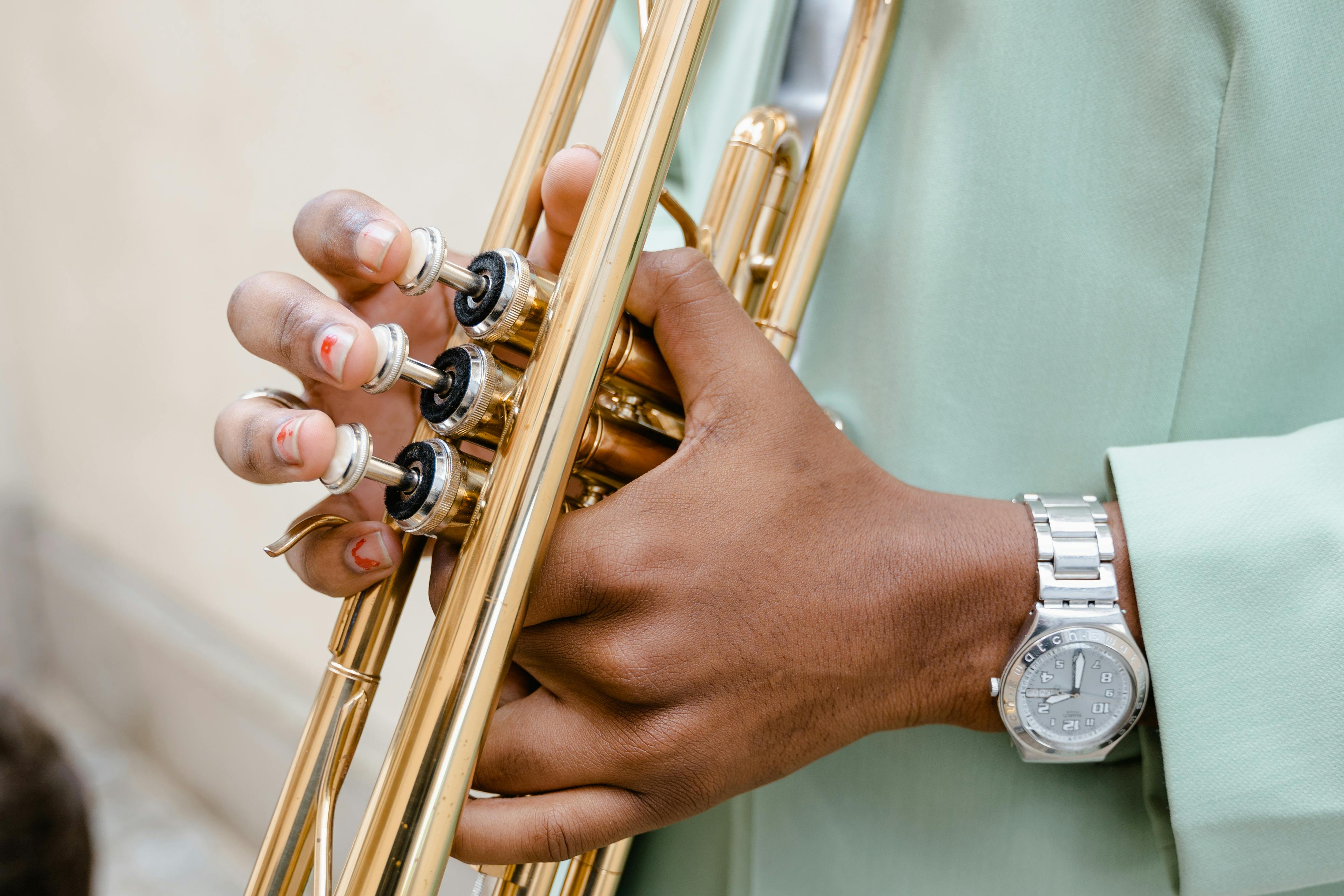

The thunderous sound of tubas, the bright call of trumpets, and the rhythmic pulse of drums echo through community centers, festival grounds, and concert halls across the United States. Banda music has experienced remarkable growth, with Mexican brass bands finding new audiences and preserving cultural traditions for future generations. This distinctly Mexican musical style, characterized by its powerful brass instrumentation and infectious energy, has become a cornerstone of Mexican-American cultural expression throughout the country.
From small-town celebrations to major metropolitan festivals, Mexican brass bands are drawing crowds of all ages, creating spaces where tradition meets contemporary life. The genre's expansion reflects the broader story of Mexican-American communities maintaining their cultural identity while contributing to America's diverse musical landscape.

Welcome to United Tribes
Where Mexican Culture Comes Alive
Join Your Tribe
Connect with your people
Discover Events
Watch parties & festivals
Find Mexican Businesses
Restaurants, markets & more
Earn Crown Credits
Get rewarded for engaging
The Rich Origins of Banda Music in Mexico
Banda music traces its roots to the mid-19th century in the Mexican state of Sinaloa, where German and Austrian immigrants introduced brass instruments and military band traditions. These European influences merged with indigenous Mexican rhythms and melodies, creating a uniquely Mexican sound that would eventually spread throughout the country. The traditional banda ensemble typically features brass instruments, including trumpets, trombones, tubas, clarinets, and percussion sections that drive the music's characteristic energy.
The genre gained significant popularity in Mexico during the 1990s, with groups like Banda El Recodo and Banda MS becoming household names. This golden era of banda music coincided with increased Mexican immigration to the United States, as musicians and fans brought their beloved musical traditions across the border. Mexican-American music culture embraced banda as a way to maintain connections to homeland traditions while establishing new artistic expressions in American communities.
The brass-heavy arrangements and danceable rhythms of banda music made it particularly well-suited for celebrations and community gatherings. Unlike other regional Mexican genres, banda's powerful sound could fill large outdoor spaces without amplification, making it perfect for festivals, quinceañeras, and other cultural celebrations that define Mexican-American community life.
Banda's Expansion Across U.S. Communities
The spread of banda music in the United States has been remarkable, with thriving scenes emerging in states with significant Mexican-American populations. California leads the way with vibrant banda communities in Los Angeles, San Diego, and throughout the Central Valley. Cities like Chicago, Phoenix, Dallas, and Las Vegas have also developed strong banda followings, supported by local radio stations, venues, and cultural organizations.
Mexican brass bands have found particular success in agricultural communities where Mexican immigrants have established roots. Towns throughout California's Central Valley, Texas's Rio Grande Valley, and Arizona's farming regions host regular banda concerts and festivals. These events serve dual purposes: entertaining community members and preserving cultural traditions for younger generations.
The digital age has accelerated banda's growth across the United States. Streaming platforms, social media, and online communities have connected banda fans nationwide, allowing smaller regional bands to gain wider recognition. YouTube channels dedicated to banda music regularly accumulate millions of views, while TikTok has introduced banda rhythms to younger, more diverse audiences.
Local banda scenes have developed their own characteristics while maintaining the genre's core elements. West Coast banda often incorporates more contemporary pop influences, while Texas banda groups might blend conjunto and norteño elements. This regional variation demonstrates how Mexican-American music culture adapts to local conditions while preserving essential cultural connections.
Festivals Celebrating Mexican Brass Band Traditions
Banda festivals have become major cultural events throughout the United States, drawing thousands of attendees and featuring both established stars and emerging artists. The annual Banda Festival in Los Angeles attracts over 50,000 participants, showcasing dozens of bands across multiple stages. Similar events in Phoenix, Chicago, and Houston have grown steadily, reflecting banda's expanding popularity.
Regional Festival Highlights
California hosts numerous banda festivals throughout the year, with events in Fresno, Sacramento, and San Jose celebrating both traditional and contemporary styles. The Sinaloa Festival in Los Angeles specifically honors banda's regional origins while highlighting Mexican-American interpretations of the genre. These festivals often feature not just music, but traditional food, crafts, and cultural exhibitions that provide comprehensive cultural experiences.
Texas banda festivals have gained particular recognition for their family-friendly atmospheres and community involvement. The annual Banda Fiesta in Dallas combines musical performances with educational workshops, allowing attendees to learn about instruments, rhythms, and the genre's history. Houston's Banda festival has expanded to include youth competitions, encouraging young musicians to participate actively in preserving these traditions.
Festival programming increasingly includes educational components designed to teach banda history and musical techniques. Workshops led by experienced musicians provide instruction on brass instruments, while cultural presentations explore banda's role in Mexican and Mexican-American identity. These educational elements ensure festivals serve as learning opportunities alongside entertainment experiences.
Youth Programs Preserving Banda Traditions
The most encouraging aspect of the growth of banda music is the emergence of youth programs dedicated to teaching traditional banda instruments and arrangements. Schools in heavily Mexican-American districts have incorporated banda ensembles into their music programs, providing students with culturally relevant musical education while maintaining high artistic standards.
School-Based Banda Programs
The Los Angeles Unified School District operates several successful banda programs, with high school ensembles competing in regional competitions and performing at community events. These programs provide instruments, instruction, and performance opportunities for students who might not otherwise have access to formal musical training. Teachers often emphasize banda's cultural significance alongside technical musical skills.
Community centers and cultural organizations have launched after-school and weekend banda programs, targeting young people interested in connecting with their Mexican heritage. Programs in Chicago, Phoenix, and San Antonio have produced accomplished young musicians who perform at festivals and compete in national competitions. Many participants continue playing banda music into adulthood, ensuring the tradition's continuation.
Mexican brass bands specifically designed for young musicians have formed in numerous communities, providing age-appropriate performance opportunities. These youth bands often open for established professional groups, giving young musicians exposure to larger audiences while building their confidence and skills. Several youth banda groups have gained regional recognition, recording albums and touring throughout their regions.
Modern Innovations in Traditional Banda Music
Contemporary Mexican-American music culture has witnessed exciting innovations within traditional banda frameworks. Musicians are incorporating electronic elements, experimenting with fusion styles, and collaborating across genres while maintaining banda's essential brass-driven character. These innovations attract new audiences while respecting traditional foundations.
Some bands have successfully blended banda with hip-hop, creating unique sounds that appeal to younger Mexican-American audiences. Others incorporate jazz harmonies or rock rhythms, expanding banda's musical possibilities without losing its cultural authenticity. These experimental approaches demonstrate banda's flexibility and continued relevance in contemporary musical landscapes.
Recording technology has allowed independent banda groups to produce professional-quality albums without major label support. Home studios and digital distribution platforms enable musicians to reach audiences directly, fostering creative experimentation and artistic independence. This technological democratization has contributed significantly to banda's growth and diversification across the United States.
The Future of Banda Music in America
The trajectory of banda music in the United States suggests continued growth and cultural significance within Mexican-American communities and beyond. Streaming data indicates increasing listenership among diverse audiences, while festival attendance continues climbing year after year. Educational programs ensure young musicians will carry these traditions forward, adapting them for future generations while preserving their essential cultural meanings.
Cross-cultural collaborations are introducing banda music to non-Mexican audiences, creating opportunities for broader appreciation and understanding. University music programs are beginning to include banda in their ethnomusicology curricula, legitimizing the genre within academic contexts and ensuring its preservation through scholarly research.
The economic impact of banda music continues to expand, supporting musicians, venues, festival organizers, and related businesses throughout communities with significant Mexican-American populations. This economic dimension reinforces banda's cultural importance by creating sustainable career paths for musicians and cultural workers dedicated to preserving these traditions.
Celebrating Banda's Cultural Impact
The remarkable growth of banda music throughout the United States embodies the resilience, creativity, and cultural pride of Mexican-American communities nationwide. From its origins in Sinaloa to its current prominence at festivals, schools, and community centers across America, banda music continues building bridges between generations while preserving essential cultural connections. The dedication of youth programs, festival organizers, and community leaders ensures this vibrant tradition will continue enriching American cultural diversity for generations to come.
As banda music evolves and adapts to contemporary influences while maintaining its traditional foundations, it demonstrates the dynamic nature of living cultural traditions. The genre's ability to bring communities together, celebrate shared heritage, and create opportunities for artistic expression makes it an invaluable component of Mexican-American cultural life. Visit United Tribes today and discover more about Mexican culture and community events that celebrate this incredible musical tradition.
Make United Tribes Your Preferred Source
Add United Tribes on Google to get the latest stories, cultural updates, and community events directly in your Google Search and Top Stories.


