
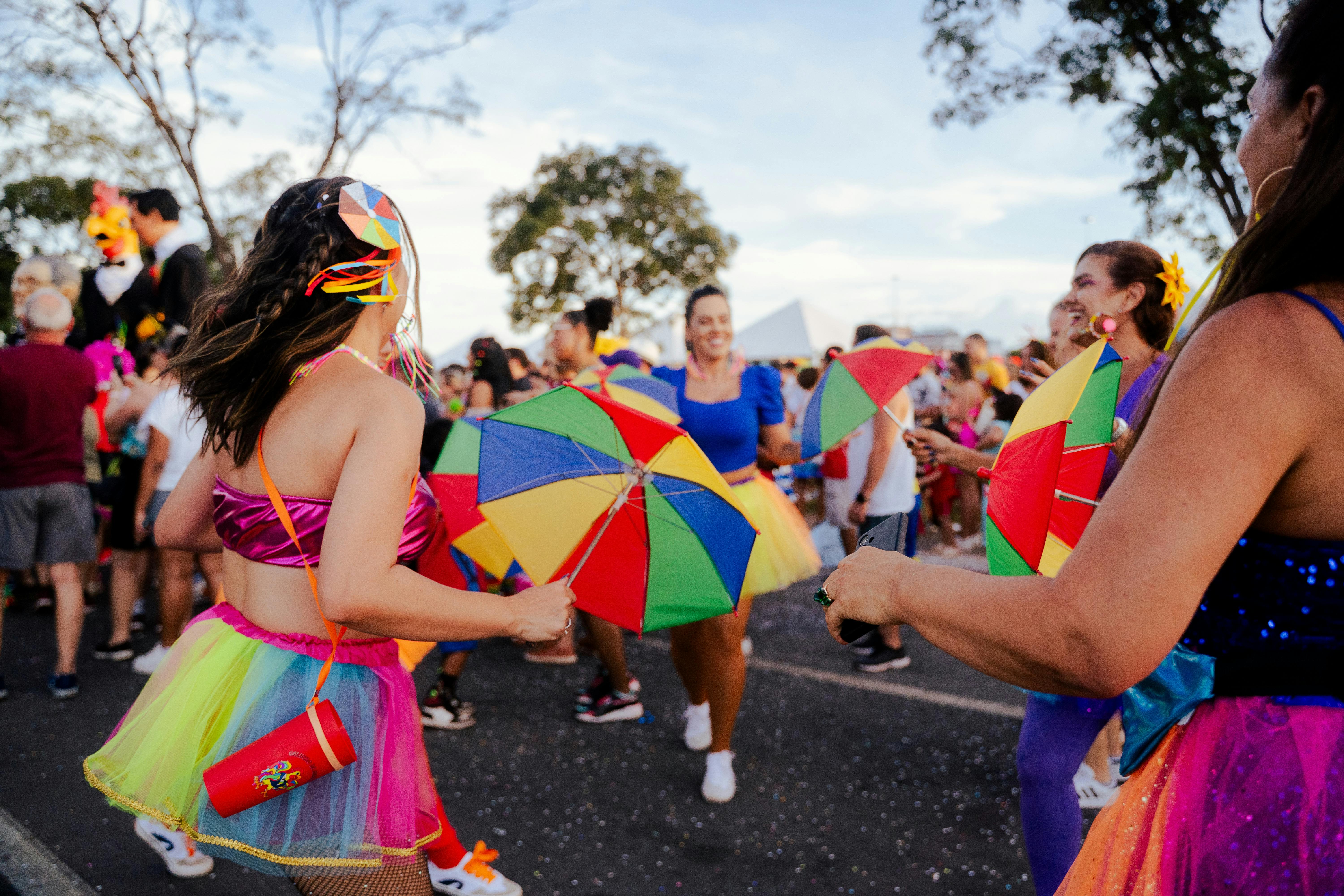


When the Streets Come Alive Before Kickoff
There is no match day quite like a Brazilian match day. Long before the first whistle blows, the streets surrounding stadiums pulse with color, rhythm, and the irresistible smell of grilled meat and fried dough. Brazilian football and food culture are the main events. The pre-match experience is a full-sensory celebration where samba, Brazilian football traditions, and culinary heritage collide to create something truly electric. Whether you are cheering from São Paulo, Rio de Janeiro, or thousands of miles away in a Brazilian diaspora neighborhood in the United States, the ritual remains the same: eat well, move freely, and bring your whole heart.
The Street Food Scene That Fuels the Crowd
Brazilian street food soccer culture runs deep. Vendors line the roads outside stadiums hours before kickoff, offering snacks passed down through generations. These are not just convenient bites — they are cultural touchstones that connect fans to the Brazilian identity.
Some of the most iconic pre-match street foods include:
- Coxinha — Teardrop-shaped dough stuffed with shredded chicken and cream cheese, deep-fried to golden perfection
- Pão de Queijo — Soft, chewy cheese bread made from tapioca flour, a staple found at every corner
- Espetinho — Skewered meats grilled over charcoal, typically beef or chicken, seasoned with garlic and lime
- Pastel — Thin, crispy pastry pockets filled with meat, cheese, or hearts of palm
- Açaí na Tigela — A thick açaí bowl topped with granola and banana, offering a lighter but energizing option
Each of these foods tells a story. Coxinha originated in São Paulo and became a working-class favorite. Pão de Queijo carries the soul of Minas Gerais. These flavors are portable, shareable, and deeply Brazilian.
Samba as the Heartbeat of Match Day
You cannot talk about Brazilian culture without acknowledging that samba is a state of being. On match days, batucada drumming groups set up near stadium entrances, drawing fans into spontaneous circles of movement. The drumbeats are contagious, and the energy they generate mirrors the anticipation building inside.
Samba emerged from Afro-Brazilian communities in the early 20th century and has since become inseparable from national identity. When Brazil scores, stadiums erupt not just in cheers but in rhythm. Fans clap, stomp, and dance because samba is already in their muscle memory. This deep cultural connection between music and sport is part of what makes Brazilian football food culture so distinctive on the world stage.
Drinks That Define the Pre-Match Ritual
No street food spread is complete without the right drinks. Brazilian match-day beverages are as celebrated as the food itself.
- Caipirinha — Brazil's national cocktail, made with cachaça, lime, and sugar, mixed fresh by street vendors
- Guaraná Antarctica — The beloved Brazilian soft drink made from Amazonian guaraná berries
- Coconut Water (Água de Coco) — Sold directly from green coconuts, cold and refreshing under the sun
- Café Coado — Strong filtered coffee served in small cups, essential for early kickoffs
The caipirinha holds a special cultural position. Sharing one before a match is a social act, a way of bonding with strangers who share your colors. Street vendors in Rio and São Paulo can make dozens per minute when the crowd gathers.
The Cultural Neighborhoods Worth Exploring
If you want the full Brazilian street-food experience in the United States, several neighborhoods deliver it authentically. Little Brazil in Manhattan was one of the first concentrated communities, though Brazilian enclaves have grown significantly in:
- Framingham, Massachusetts — Home to one of the largest Brazilian communities outside Brazil
- Deerfield Beach, Florida — A thriving hub with Brazilian bakeries, restaurants, and sports bars
- Newark, New Jersey — Rich with Brazilian-owned businesses and cultural institutions
- Los Angeles, California — Growing Brazilian presence with dedicated churrascarias and cultural venues
These neighborhoods transform on match days. Restaurants broadcast games live, street vendors emerge, and the samba energy that lives back home crosses the Atlantic through food, music, and community spirit.
How to Build Your Own Brazilian Match Day at Home
You do not need a stadium to recreate the experience. Here is how to bring Brazilian football food culture into your own space:
1. Prepare coxinha or pastel the night before — both reheat beautifully
2. Set up a grilling station with espetinho marinated overnight in garlic, olive oil, and lime
3. Mix a batch of caipirinhas and keep caramelized sugar syrup ready for quick refills
4. Create a pão de queijo batch from frozen dough — most Brazilian grocery stores carry it
5. Queue up a samba or pagode playlist to build atmosphere before the match
6. Invite your community — Brazilian match days are never solitary events
The communal aspect is critical. Just as Brazilian Carnival transforms public spaces into shared celebrations, a Brazilian match day turns ordinary living rooms into cultural gathering spaces.
Celebrate Brazil Beyond the Final Whistle
Brazil's match day culture is a living, breathing expression of national identity. The Brazilian street food soccer scene, the hypnotic pull of samba drumming, and the communal energy that surrounds every kickoff represent something far greater than sport. They are rituals of belonging, memory, and pride that travel with Brazilian communities wherever they go.
For those in the diaspora, these traditions are nostalgic and active practices that keep cultural identity alive across generations. Whether you are recreating street food classics in your kitchen or finding a local Brazilian community event near you, the spirit of football in Brazil is always within reach.
Visit United Tribes today and find out more about Brazilian culture and community. Discover local events, businesses, and stories that keep this vibrant heritage alive in the United States.


