
The Largest Brazilian Business Directory in the US
Where Dreams Thrive and Connections Grow.
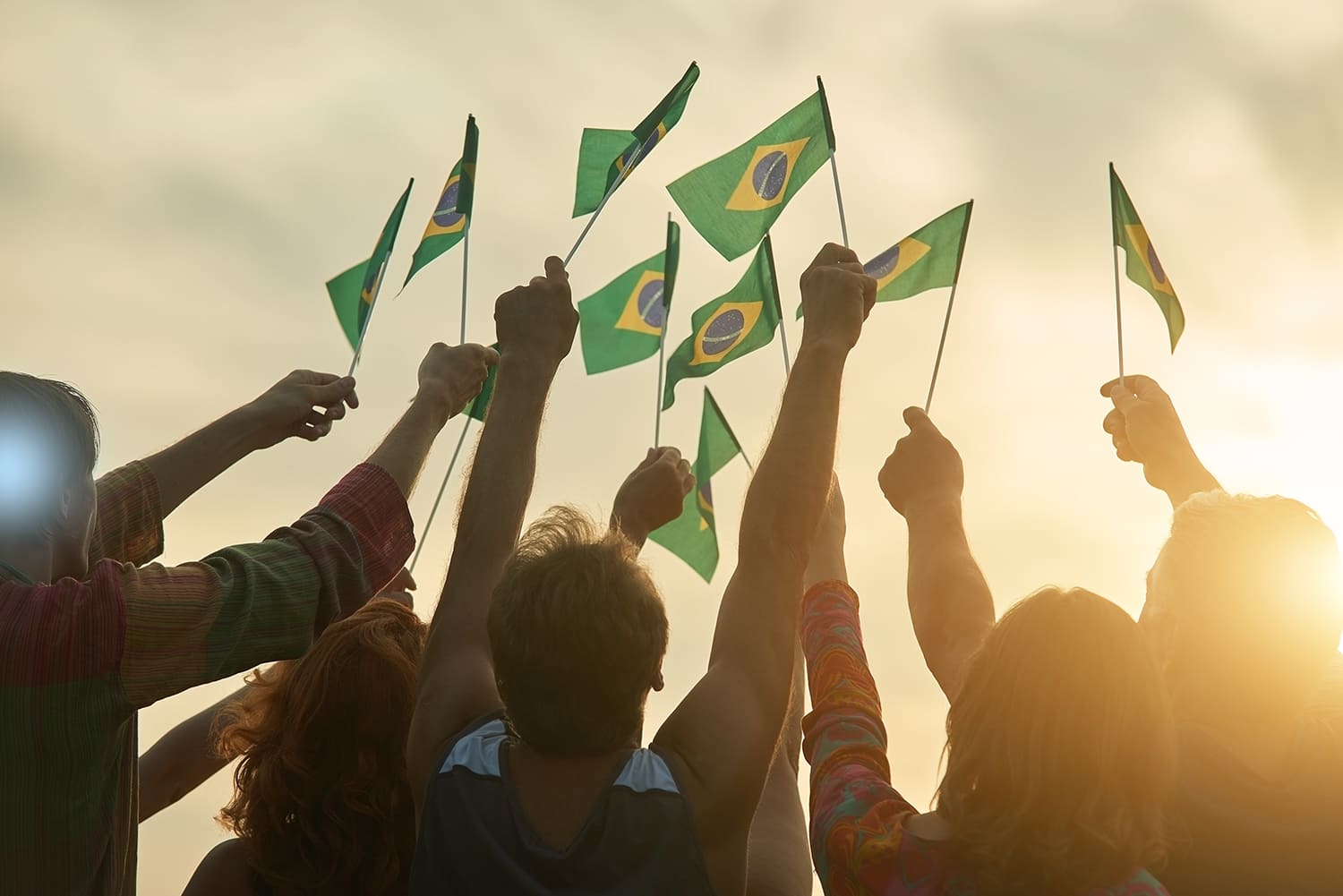
Brazil is home to roughly 215 million people and one of the largest diasporas in the Americas, with significant communities in the United States, Portugal, and Japan. Portuguese is the national language, Catholicism and Afro-Brazilian religions shape daily life, and the country's cultural output, from samba and bossa nova to feijoada and Carnival, is globally recognized and locally practiced with real intensity.
Community at a Glance
Fast facts about the Brazilian community in the United States

Diaspora
Concentrated in Boston, Miami, New York, Toronto, and Lisbon.

Portuguese
with regional indigenous languages also spoken.

Carnaval
Festa Junina, and Dia da Independência.

Roman Catholicism is practiced by the majority of Brazilians.
Roman Catholicism is practiced by the majority of Brazilians.

Candomblé
Umbanda, Spiritism, and Evangelical Christianity are also widespread.

Colonial Portuguese settlement from 1500
with deep indigenous and African foundations.
Key Definitions
Quick guide to terms you'll hear in the Brazilian community

What is Candomblé, and where does it come from?
Candomblé is an Afro-Brazilian religion brought by enslaved West Africans, centered on orixás, spiritual deities honored through drumming, dance, and ritual offerings.

What makes capoeira distinct from other martial arts?
Capoeira blends fight, dance, and acrobatics into one continuous form, developed by enslaved Africans in Brazil and practiced to live berimbau music.

What is Festa Junina, and who celebrates it?
Festa Junina is a June harvest festival honoring Saints Anthony, John, and Peter, celebrated with forró dancing, quadrilha, corn dishes, and decorative flags.
 Featured Businesses
 Featured Events
Frequently Asked Questions
Get quick answers to common questions—about joining, listing your business, attending events, using the app, or navigating the Pulse. We’re here to help you connect with ease.
Business Directory
Brazil Business Listings
Related Blog Topics


