
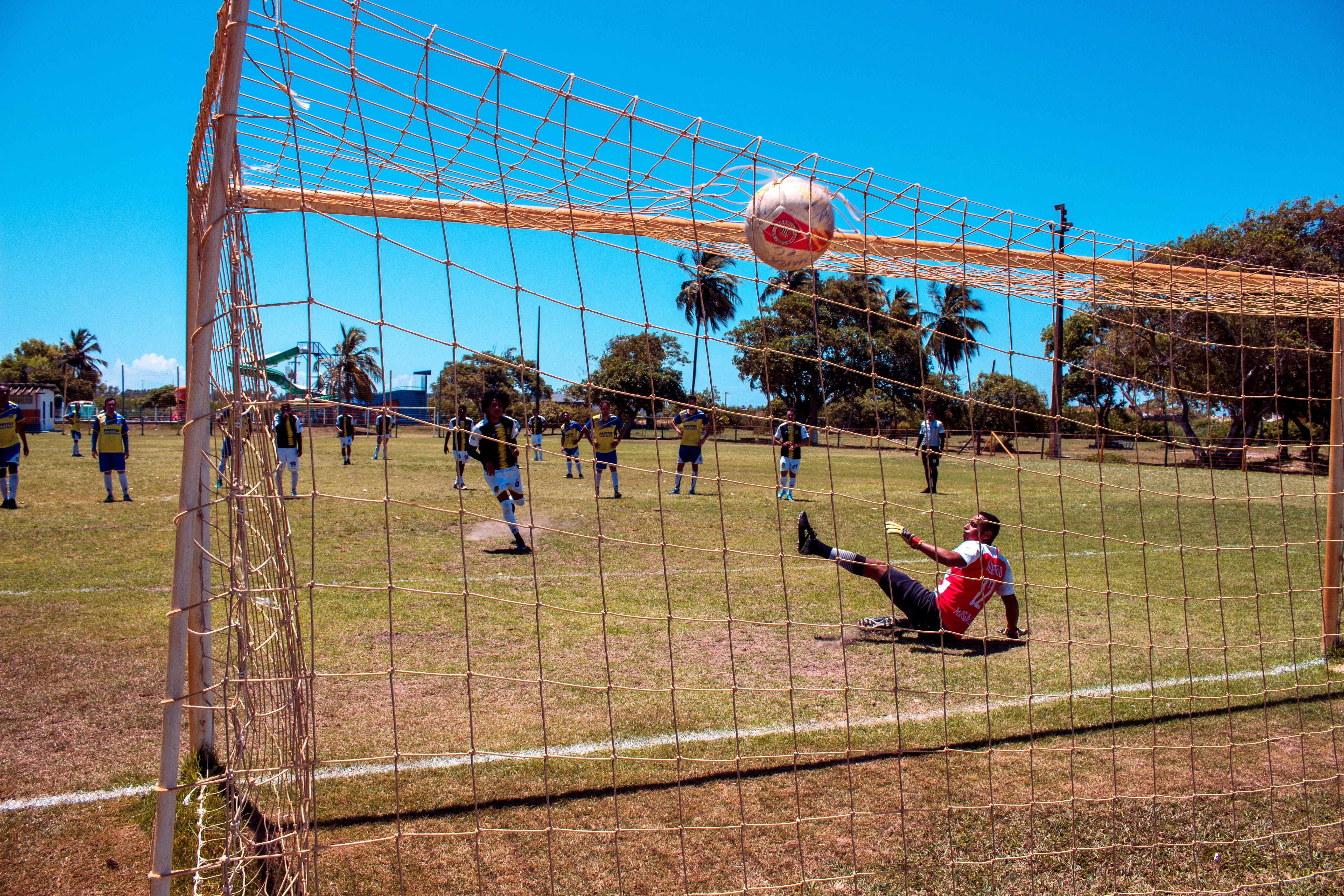


When the final whistle blew and the FIFA 2026 tournament concluded, Brazilian fans across the United States were already deep into something far bigger than a scoreline. Yes, the world watched the beautiful game unfold on the pitch, but inside Brazilian neighborhoods, community halls, and packed restaurants from Miami to Los Angeles, a parallel celebration was unfolding.
More Than a Match: The Community Spirit Behind Every Kickoff
For the football community connected to Brazil's diaspora, FIFA 2026 was never purely about ninety minutes of play. It was a reason to gather. Long before matches began, Brazilian families and business owners transformed local spaces into cultural hubs: stringing up green-and-yellow banners, firing up churrascos, and filling streets with the unmistakable energy of a community that knows how to celebrate.
In cities with large Brazilian populations, such as Newark, Boston, Orlando, and Los Angeles, neighborhood watch parties became multi-hour cultural experiences. Live samba percussion accompanied match broadcasts. Local bakeries stocked extra pão de queijo. The atmosphere was less "sports bar" and more block party, rooted deeply in tradition.
The Sounds That Carried a Nation Forward
Brazilian fans in America brought their instruments, their voices, and their rhythm. Batuque drumming circles formed in parking lots before early kickoffs. Pagode and forró filled restaurant sound systems between commercial breaks. Local Brazilian musicians performed in community spaces, turning match days into informal cultural showcases.
This wasn't incidental. For many in the diaspora, music is inseparable from national pride. The drums are entertainment and identity made audible. When Brazil scored, it wasn't just cheers that erupted. It was sound systems, percussionists, and full-throated singing from people who had carried these songs across an ocean.
A Feast That Reflected a Nation
Food became one of the most powerful expressions of Brazilian culture during this tournament season. Community kitchens and restaurants became gathering points, and menus expanded to honor regional Brazilian diversity rather than defaulting to a single national dish.
- Feijoada: The slow-cooked black bean and pork stew served in generous pots at watch parties across the Northeast
- Coxinha: Fried chicken-filled dough bites that disappeared from platters within minutes of being set down
- Açaí bowls: Honoring the Amazon's influence on Brazilian food culture, served at health-forward Brazilian cafés
- Caipirinha: The iconic lime-and-cachaça cocktail raised in every toast during match broadcasts
- Brigadeiros: Chocolate truffles that appeared at nearly every community celebration table
For many Brazilian fans in America, preparing and sharing these dishes was itself an act of cultural preservation, a way of saying: this is where we come from, and we are proud to share it.
Carnival Energy Meets World Cup Fever
The overlap between Brazilian fans in America and the country's broader carnival culture created something electric during FIFA 2026. Community organizers deliberately leaned into this connection, designing watch parties that borrowed the carnival's spirit of communal joy, elaborate decorations, and collective dance.
Those who have explored Brazil's world-famous carnival traditions will recognize how deeply that spirit runs through Brazilian public life. The FIFA tournament became an extension of that same impulse, the idea that Brazilian pride is best expressed through joyful, collective, embodied celebration rather than quiet individual observation.
Samba schools in some cities organized special performances tied to match schedules. Dance instructors led impromptu lessons in community plazas. Children wore green and yellow face paint while their grandparents led capoeira demonstrations nearby. The football community became a living cultural exhibition.
Diaspora Visibility and the Pride of Being Seen
FIFA 2026 gave Brazilian fans in America visibility. During a tournament hosted partly on U.S. soil, Brazilian communities found themselves suddenly in the spotlight. Local news covered their celebrations. Social media amplified their cooking, their music, their painted faces, and handmade banners.
For a diaspora community that often exists in the background of American public life, this visibility mattered. Entrepreneurs reported increased foot traffic. Cultural events saw new attendees from outside the community, curious people drawn in by the energy they'd seen online or passed on the street.
Brazilian Pride Lives Beyond the Pitch
From the samba rhythms filling American streets to the feijoada steaming in community kitchens, Brazilian culture revealed itself as vibrant, generous, and deeply rooted during this tournament season. The beautiful game provided the occasion, but the community provided the soul.
For Brazilian diaspora members and curious newcomers alike, these moments of shared celebration carry lasting significance. They strengthen community bonds, introduce Brazilian traditions to wider audiences, and remind the next generation that their heritage is worth celebrating loudly and proudly, not just during a World Cup year, but every day.
Visit United Tribes today to learn more about Brazilian culture and community, from discovering local businesses to cultural events near you.


