
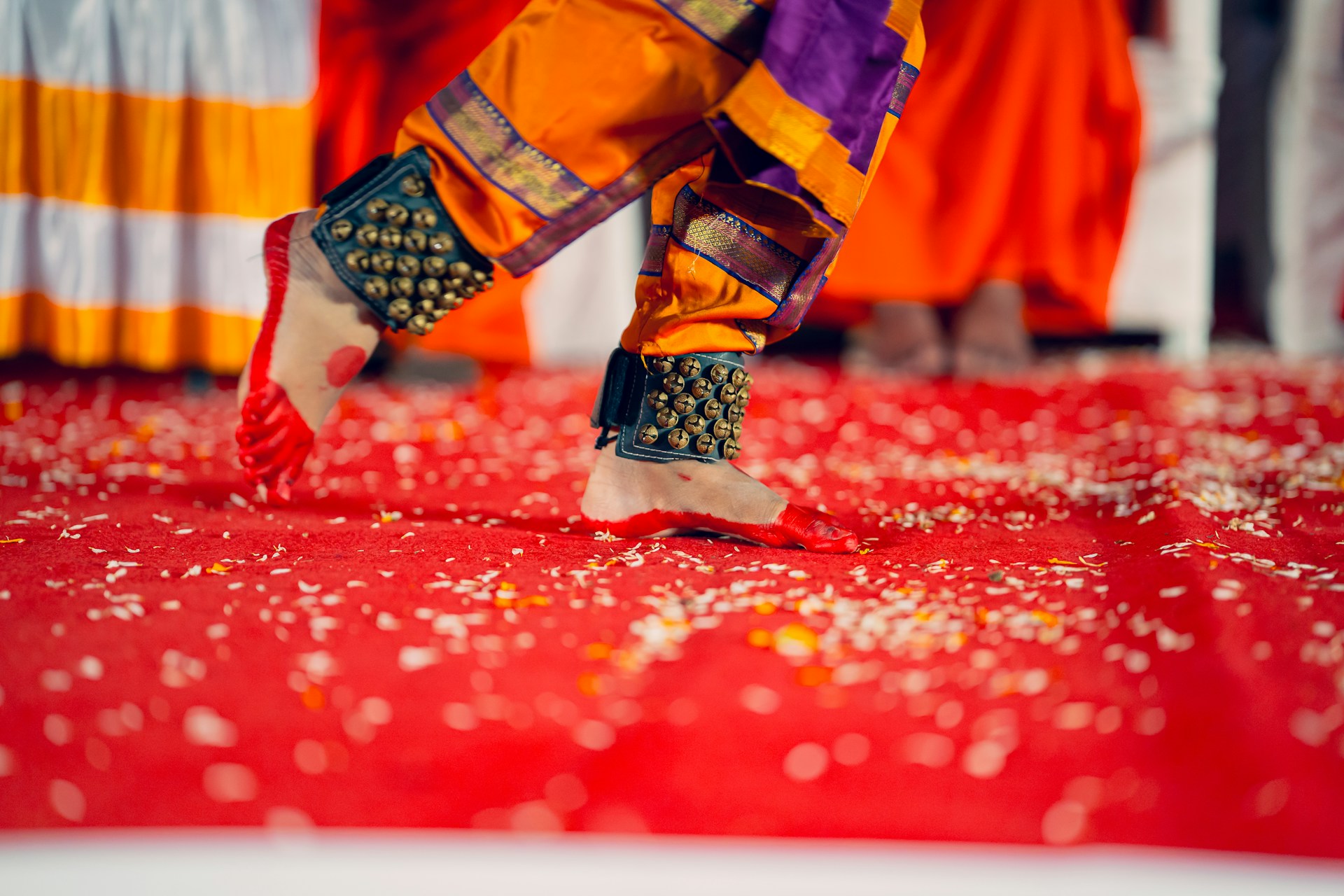


The rhythmic sounds of ankle bells, the graceful mudras (hand gestures), and the spiritual storytelling through movement are the pillars of Indian classical dance that have found a vibrant home on stages across the United States. From prestigious concert halls in New York to community centers in California, Indian classical dance performances are preserving centuries-old traditions while adapting to contemporary American audiences. These art forms, rooted in temple rituals and royal courts of ancient India, continue to flourish through dedicated performers, schools, and cultural organizations that bridge the gap between traditional heritage and modern expression.
The Sacred Art of Bharatanatyam in America
Bharatanatyam, originating from Tamil Nadu, stands as one of the most recognized Indian classical dance forms in the United States. This ancient art form, once performed exclusively in Hindu temples, has transformed into a celebrated cultural expression that tells stories of gods, goddesses, and human emotions through intricate movements and facial expressions.
Preserving Tradition Through Performance
American Bharatanatyam artists maintain the dance's spiritual essence while making it accessible to diverse audiences. The traditional margam (performance structure) includes items like alarippu, jatiswaram, varnam, and tillana, each serving a specific purpose in the dancer's spiritual and artistic journey. Many Indian-American performers complete their arangetram (debut performance) in the United States, marking their transition from student to artist in elaborate ceremonies that often take place in community centers, theaters, and cultural venues.
The costumes remain authentically traditional: silk saris in vibrant colors, elaborate jewelry, and the distinctive makeup that helps convey emotions from a distance. These visual elements, combined with live Carnatic music featuring tabla, mridangam, and veena, create an immersive cultural experience that educates American audiences about Indian heritage while maintaining the dance's sacred origins.
Modern Adaptations and Fusion Elements
Contemporary Bharatanatyam artists in America often incorporate themes relevant to the Indian diaspora experience. They create choreographies that explore identity, immigration, and cultural preservation while respecting traditional techniques. Some performances blend classical movements with contemporary music or address social issues, making the art form relevant to younger generations of Indian-Americans who seek to connect with their cultural roots.
Odissi: The Temple Dance Tradition Thrives
Odissi, hailing from the eastern state of Odisha, represents another major Indian classical dance form flourishing across American stages. Known for its sculptural poses that mirror the temple carvings of Konark and Puri, Odissi emphasizes fluid movements and devotional expressions dedicated primarily to Lord Jagannath.
Technical Excellence and Spiritual Devotion
The dance form's characteristic tribhangi (three-fold bending of the body) and intricate eye movements create a mesmerizing visual experience that captivates American audiences. Odissi schools across the United States teach students the fundamental positions, including the chauka (square position) and the various mudras that communicate specific meanings and emotions.
Indian cultural arts organizations frequently showcase Odissi performances during cultural festivals, Diwali celebrations, and heritage months, introducing non-Indian audiences to the dance's rich mythology and spiritual significance. The elaborate Odissi costumes, featuring pleated silk fabrics and traditional silver jewelry, add to the visual splendor that makes these performances memorable cultural experiences.
Regional Variations: Kuchipudi, Kathak, and Mohiniyattam
Beyond Bharatanatyam and Odissi, several other classical forms contribute to the rich tapestry of Indian classical dances. Kuchipudi from Andhra Pradesh combines dance with drama, often featuring dancers who also sing and speak during performances. The form's dynamic movements and storytelling elements make it particularly engaging for American audiences unfamiliar with Indian classical traditions.
Kathak, originating from North India, offers a different aesthetic with its spinning movements and rhythmic footwork. The dance form's historical connection to Mughal courts brings a unique cultural dimension to American performances, showcasing India's diverse artistic heritage. Many Kathak artists in the United States perform both traditional pieces and contemporary works that reflect the immigrant experience.
Mohiniyattam from Kerala, known as the "dance of the enchantress," brings the graceful movements and white-and-gold costumes of South Indian temple traditions to American stages. The dance form's subtle expressions and flowing movements create an intimate performance experience that highlights the meditative aspects of Indian classical dance.
Dance Schools and Cultural Preservation
Community-Based Learning Centers
Across the United States, hundreds of Indian classical dance schools serve as cultural preservation centers where young Indian-Americans connect with their heritage. These institutions, often run by accomplished dancers who immigrated from India, maintain strict traditional teaching methods while adapting to American educational structures.
Students typically begin with basic positions and gradually progress through increasingly complex choreographies over several years. The guru-shishya (teacher-student) tradition remains strong, with teachers taking personal responsibility for their students' artistic and cultural development. Many schools organize annual recitals that become community celebrations, featuring students at various skill levels and creating opportunities for cultural exchange.
Professional Training and Certification
Several schools offer intensive training programs that prepare serious students for professional careers in Indian classical dance. These programs often include theoretical components covering dance history, mythology, music theory, and cultural context. Some institutions collaborate with universities to offer academic credit for dance study, legitimizing Indian classical dance as a serious academic discipline in American educational settings.
Performance Venues and Cultural Impact
From Community Centers to Concert Halls
Indian classical dance performances occur in diverse venues, from intimate community center gatherings to prestigious concert halls like Lincoln Center in New York and the Kennedy Center in Washington, D.C. This range of performance spaces reflects the dance forms' ability to adapt to different audiences while maintaining their cultural authenticity.
Festival circuits across the United States regularly feature Indian classical dance performances. Events like the Festival of India celebrations, Diwali festivals, and cultural heritage months provide platforms for dancers to share their art with both Indian and non-Indian communities. These performances often include educational components that explain the stories, symbols, and cultural significance behind the movements.
Educational Outreach and Cultural Diplomacy
Many professional Indian classical dancers in America engage in educational outreach, visiting schools and universities to introduce students to Indian cultural arts. These programs often include interactive elements where audience members learn basic mudras or experience the rhythm of classical music, creating memorable cultural exchanges that promote understanding and appreciation.
The State Department and various cultural organizations sponsor Indian classical dance performances as part of cultural diplomacy efforts, recognizing these art forms' power to build bridges between American and Indian communities while showcasing the diversity of Indian cultural heritage.
Continuing the Cultural Dance Legacy
Indian classical dances embody a living connection to ancestral traditions that continue to evolve and thrive in American cultural landscapes. Through dedicated schools, passionate performers, and supportive communities, Bharatanatyam, Odissi, and other classical forms maintain their spiritual essence while adapting to contemporary audiences. These art forms serve as powerful vehicles for cultural preservation, education, and cross-cultural understanding.
The future of Indian cultural arts in America looks bright as new generations of dancers emerge, bringing fresh perspectives while honoring traditional techniques and values. From temple stages in ancient India to modern American theaters, these dance forms continue their timeless journey of storytelling, devotion, and artistic excellence. Visit United Tribes today and discover more about Indian culture and community, discovering the rich heritage that continues to flourish across the United States.


