
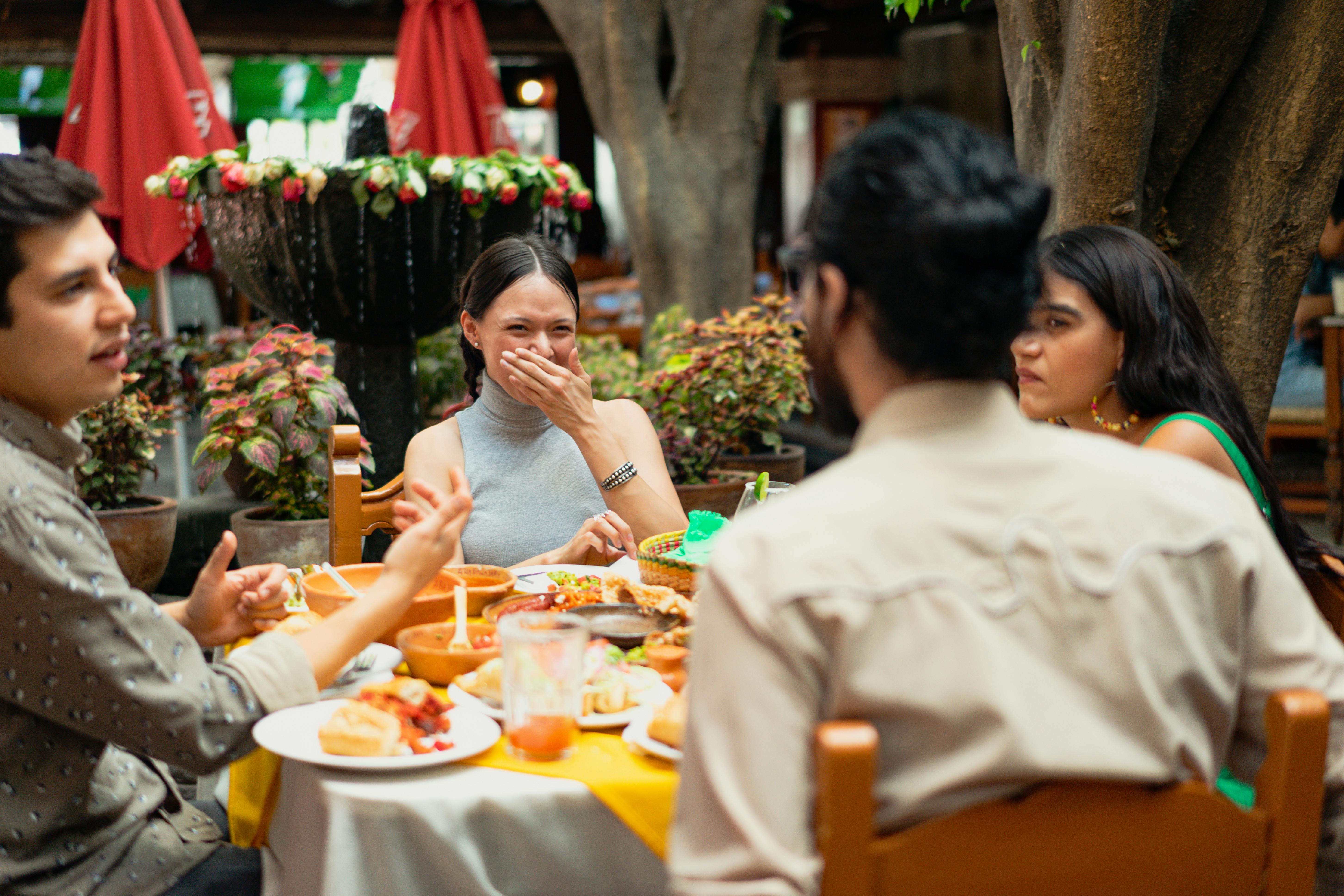

As we approach Cinco de Mayo, it's essential to understand the rich history and cultural significance behind this widely celebrated day. While many Americans associate May 5th with festive parties and Mexican cuisine, the true origins of this observance run much deeper than popular culture suggests. Cinco de Mayo history reveals a story of resilience, national pride, and the enduring spirit of Mexican heritage that continues to resonate within Hispanic communities across the United States.
The Battle of Puebla: A David vs Goliath Story
The Battle of Puebla begins with understanding the political and economic turmoil Mexico faced in the 1860s. Following years of internal conflict and the Mexican-American War, the country found itself heavily indebted to European nations. When Mexico declared a moratorium on foreign debt payments, France, Britain, and Spain sent naval forces to demand payment.

Welcome to United Tribes
Where Mexican Culture Comes Alive
Join Your Tribe
Connect with your people
Discover Events
Watch parties & festivals
Find Mexican Businesses
Restaurants, markets & more
Earn Crown Credits
Get rewarded for engaging
While Britain and Spain negotiated and withdrew, the French Emperor sought to expand France's territorytunity for territorial expansion. The French army, considered the most powerful military force in the world at the time, had not suffered a significant defeat in over 50 years. Napoleon III believed Mexico would be swift and would provide France with access to the mineral resources while establishing a French empire in the Americas.
The odds were staggering: approximately 6,000 well-equipped French soldiers, including the elite Zouave regiment, marched toward Puebla expecting an easy victory. Opposing them stood roughly 2,000 Mexican defenders, many of whom were poorly equipped indigenous fighters and mestizos led by General Ignacio Zaragoza, a 33-year-old Texas-born Mexican general.
On May 5, 1862, these forces clashed at the fortified city of Puebla. Despite their numerical and technological disadvantages, the Mexican army employed strategic positioning, local knowledge, and unwavering determination to achieve the impossible. The French forces, expecting minimal resistance, were caught off guard by the fierce defense and tactical brilliance of the Mexican fighters.
Cultural Evolution in Mexico and Beyond
Following the Battle of Pueblin, Mexican cultural observances in May began taking shape differently aarious regions. In Mexico itself, Cinco de Mayo is primarily observed in the state of Putook placeere the historic battle occurred. The day features military parades, reenactments, and ceremonial events that honor the brave soldiers who fought against French imperialism.
However, the celebration's significance extends beyond Mexican borders. During the American Civil War, Mexican-Americans in California began observing Cinco de Mayo as a symbol of resistance against oppression, drawing parallels between Mexico's fight against French colonialism and the American struggle against slavery.
The Chicano Movement of the 1960s and 1970s further elevated Cinco de Mayo's importance within Mexican-American communities. Civil rights activists embraced the holiday as a celebration of Mexican heritage and a symbol of pride in their cultural identity. This period marked the transformation of Cinco de Mayo from a regional Mexican observance to a broader celebration of Hispanic culture in the United States.
Community organizations, cultural centers, and educational institutions began incorporating Hispanic heritage traditions into their programming, using Cinco de Mayo as an opportunity to educate others about Mexican history and culture.
Modern Cinco de Mayo Traditions in the USA
Cinco de Mayo traditions in the USA have evolved into diverse celebrations that blend historical remembrance with contemporary cultural expression. Unlike Mexico, where observance remains primarily focused on historical commemoration, American celebrations appreciate Hispanic culture.
Educational Initiatives and Cultural Awareness
Schools across the United States organize educational programs to mark Cinco de Mayo week, teaching students about Mexican history, geography, and cultural contributions. These programs often include traditional dance performances and art exhibitions featuring Mexican historical significance, including the Battle of Puebla.
Museums and cultural centers coordinate special exhibitions showcasing Mexican artifacts, historical documents, and contemporary art. These educational efforts help counter common misconceptions about the holiday while promoting authentic cultural understanding.
Community Festivals and Parades
Major cities with significant Hispanic populations host elaborate Cinco de Mayo festivals featuring live mariachi music, folkloric dance performances, and authentic Mexican cuisine. Los Angeles, Sahosto, Chicago, and Phoenix host some of the largest celebrations, drawing hundreds of thousands of participants each year.
These festivals serve multiple purposes: they provide economic opportunities for local Latino businesses, strengthen community bonds, and offer non-Hispanic Americans authentic exposure to Mexican culture.
Business and Economic Impact
The modern observance of Cinco de Mayo significantly impacts local economies, particularly benefiting Mexican-American entrepreneurs and restaurants. This economic dimension supports movements that promote local Latin businesses within Hispanic communities.
Restaurants expand their menus to feature regional Mexican specialties beyond typical Tex-Mex offerings, introducing diners to authentic flavors from different Mexican states. Art galleries showcase Mexican and Mexican-American artists, while retail businesses highlight traditional crafts, textiles, and cultural items.
Respectful Celebration and Cultural Sensitivity
As Cinco de Mayo 2026 approaches, it's crucial to address how non-Hispanic Americans can participate respectfully in these celebrations. Cultural appreciation differs significantly from cultural appropriation, and understanding this distinction helps ensure that Cinco de Mayo observances honor rather than trivialize Mexican heritage.
Authentic participation involves learning about the holiday's historical significance, supporting Mexican-American businesses, and engaging with educational aspects of community celebrations. Rather than focusing solely on commercial aspects, respectful observance includes understanding the courage and sacrifice commemorated on this day.
Community leaders encourage participation in cultural activities such as traditional dance workshops, Spanish language conversations, and historical presentations. These activities foster genuine cultural exchange while maintaining the dignity and authenticity of Mexican traditions.
Avoiding stereotypes remains essential for respectful celebration. This means moving beyond superficial symbols and instead embracing the rich complexity of Mexican culture, including its indigenous roots, colonial history, and contemporary expressions.
The Broader Context of Latin American Heritage
Understanding Cinco de Mayo within the broader spectrum of Latin American independence days provides valuable context for appreciating its unique significance. While many Latin American countries celebrate their independence from Spanish colonial rule, Cinco de Mayo commemorates resistance against French imperialism—a different but equally important aspect of Latin American history.
This distinction helps explain why Cinco de Mayo holds particular meaning for Mexican-Americans while other Hispanic communities may place greater emphasis on their own national celebrations. However, the holiday has evolved into a broader celebration of Hispanic heritage, bringing together diverse Latino communities in shared cultural appreciation.
The influence of Mexican culture extends far beyond a single day of celebration, permeating American society through Latin cuisine, art, music, literature, and social movements.
Planning for Cinco de Mayo 2026
As communities prepare for Cinco de Mayo 2026, organizers focus on creating celebrations that balance festivity with historical education. Planning committees emphasize authentic cultural programming while ensuring events remain accessible and welcoming to diverse audiences.
Educational components will likely include historical reenactments, documentary screenings, and presentations by historians specializing in Mexican history. These elements highlight the significance of the Battle of Puebla while appreciating its lasting impact on Mexican-American identity.
Cultural programming may feature traditional music ensembles, folkloric dance groups representing different Mexican regions, and artisan demonstrations showcasing traditional crafts. These activities provide immersive experiences that go beyond surface-level celebration.
Community partnerships between schools, businesses, cultural organizations, and local governments ensure that Cinco de Mayo celebrations serve educational and economic development goals while strengthening community connections across cultural lines.
Honoring History Through Authentic Celebration
Cinco de Mayo presents an opportunity to deepen our understanding of Mexican history while celebrating the vibrant Hispanic communities that enrich American society. By learning about the Battle of Puebla and its significance, we can appreciate how this day evolved from commemorating military courage to celebrating cultural identity and community resilience.
The true spirit of Cinco de Mayo lies not in commercial celebration but in recognizing the courage, determination, and cultural pride that define Mexican heritage. As we approach this meaningful observance, let us commit to authentic engagement that respects the holiday's origins while celebrating the diverse ways Hispanic communities continue to shape American culture.
Visit United Tribes today to learn more about Hispanic culture and community celebrations that honor tradition while building bridges across cultural boundaries.
Make United Tribes Your Preferred Source
Add United Tribes on Google to get the latest stories, cultural updates, and community events directly in your Google Search and Top Stories.


