
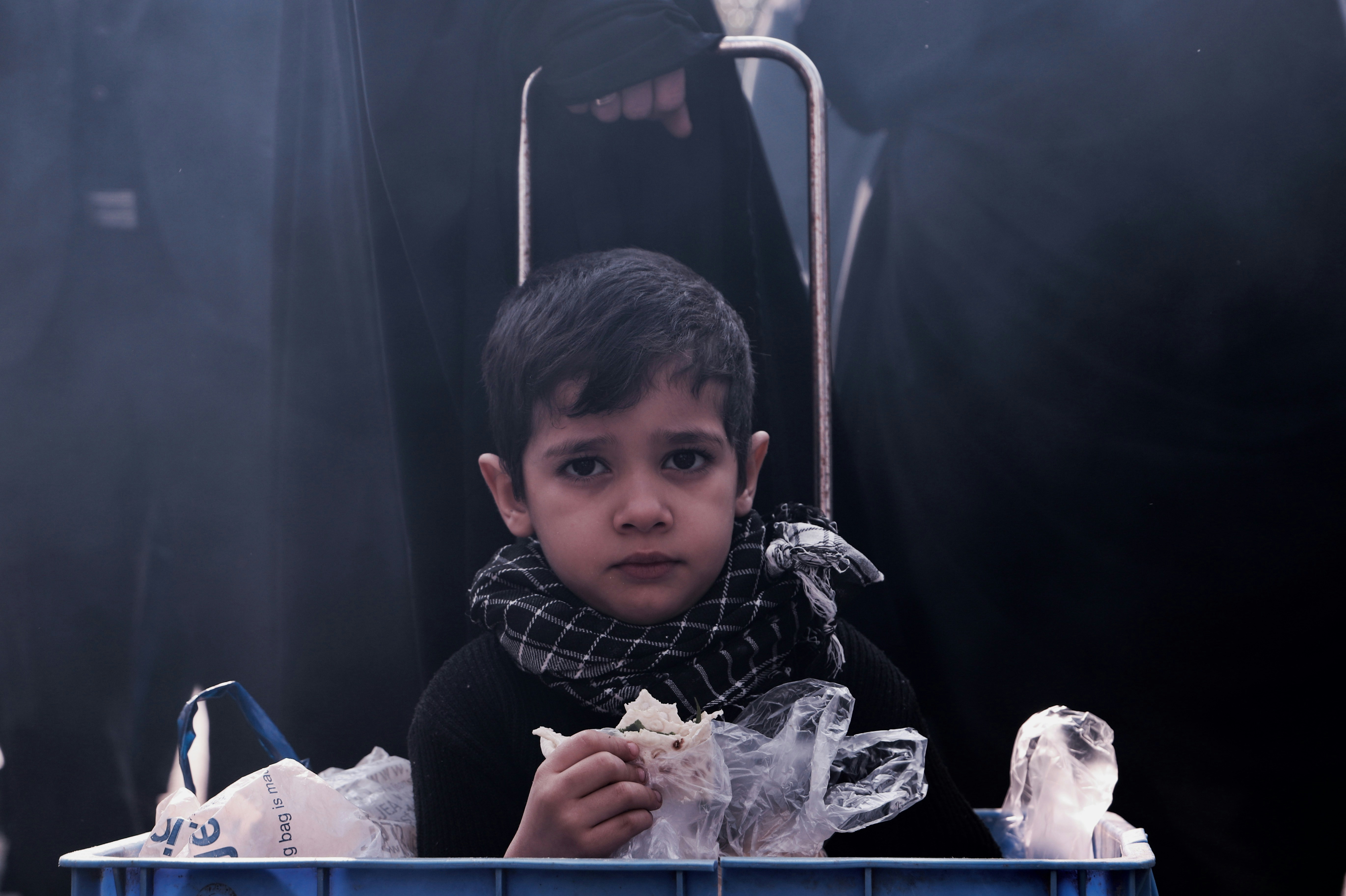

When Nowruz arrives each spring, Persian households fill with the scent of hyacinth, the shimmer of the Haft-Sin table, and the quiet anticipation of children waiting for one beloved moment: receiving their Eidi. This centuries-old custom of gifting money or presents to younger relatives is far more than a financial exchange. It is a ritual of love, blessing, and cultural continuity that connects grandparents to grandchildren, elders to youth, and the Persian past to its living present. As families gather in 2026 to welcome the new year, Eidi remains one of the most cherished Nowruz family customs in Iranian life.
What Is Eidi and Where Does It Come From
Eidi (عیدی) derives from the word *Eid*, meaning festival or celebration. In the Persian tradition, it refers specifically to gifts given during Nowruz, the Iranian New Year observed on the spring equinox, typically around March 20th or 21st. The custom has roots stretching back to the Achaemenid era, when rulers and nobles exchanged symbolic gifts to mark the new year and reinforce social bonds.

Welcome to United Tribes
Where Persian Culture Comes Alive
Join Your Tribe
Connect with your people
Discover Events
Watch parties & festivals
Find Persian Businesses
Restaurants, markets & more
Earn Crown Credits
Get rewarded for engaging
At its core, Eidi carries a message: *you are seen, you are valued, and the new year holds promise for you*. Elders give to younger family members as an act of blessing, wishing them prosperity and happiness in the year ahead. Children receive with gratitude, and in doing so, absorb lessons about generosity, respect, and family hierarchy that shape their cultural identity for life.
The Symbolism Woven Into Every Gift
The Eidi tradition is deeply symbolic. Fresh, crisp banknotes are preferred over worn bills because newness represents a clean slate — the same philosophy behind Persian cultural wisdom that frames Nowruz as a time of renewal for the spirit, home, and relationships.
Gold coins are another popular Eidi gift, carrying connotations of lasting wealth and security. In some families, small pieces of jewelry or meaningful keepsakes are given to older teenagers or young adults. The gesture matters more than the monetary value. A grandfather pressing a single gold coin into a grandchild's palm communicates something no amount of money can fully capture.
The presentation of Eidi also follows an unspoken protocol. Bills are typically placed inside a decorative envelope or wrapped in a cloth. Some families tuck Eidi into the pages of a poetry book — often Hafez or Rumi — blending material gifting with literary and spiritual meaning.
Eidi Etiquette Every Family Should Know
Like much of Persian social life, Eidi is governed by layers of etiquette. Understanding these norms helps both givers and receivers honor the tradition with grace. The broader culture of taarof and Persian hospitality applies here too — a child should not eagerly snatch Eidi but should receive it with both hands and a respectful thank-you.
Key etiquette points to keep in mind:
- Elders give first: Grandparents and parents initiate the Eidi exchange before aunts, uncles, or older cousins
- Both hands matter: Receiving a gift with both hands signals respect and gratitude
- Eye contact and thanks: A verbal expression of thanks (*mamnoon* or *mersi*) is always expected
- Do not count money in front of the giver: This is considered impolite and reduces the moment to a transaction
- Reciprocity grows with age: As children enter adulthood, they are expected to begin giving Eidi to younger relatives in turn
These small gestures collectively reinforce the social and familial bonds that make Iranian spring traditions so enduring.
How Modern Persian Families Are Adapting Eidi
The diaspora experience has reshaped many traditions, and Eid is no exception. Iranian-American families navigating life between two cultures have found creative ways to keep this Persian New Year gift custom alive without losing its essence.
For families who prefer tangible gifting, the modern Eidi has expanded to include:
- Gift cards to favorite bookstores, music platforms, or clothing retailers
- Savings bonds or contributions to a child's college fund
- Cultural items like Persian calligraphy sets, traditional instruments, or cookbooks
- Experiences such as tickets to a Persian concert or cultural event
What matters is that the intention remains rooted in blessing, not obligation. The evolution of Eidi reflects the resilience of Iranian culture and its ability to breathe new life into ancient customs without abandoning their soul.
Eidi Across Generations: Different Meanings at Different Ages
The experience of Eidi shifts meaningfully as people age. For young children, it is pure delight — coins and bills accumulating in small palms, the excitement rivaling that of the Haft-Sin table itself. For teenagers, Eidi serves as a marker of growing maturity, often accompanied by advice from elders on saving and responsibility.
Young adults occupying the in-between space — old enough to give, young enough to still receive — often describe Eidi as the moment they truly felt the weight of generational connection. And for elders, giving Eidi is an act of passing on the legacy. It is how Persian cultural identity is passed forward, one crisp bill at a time.
Eidi: Tradition That Transcends Time
The beauty of the Eidi tradition lies in its adaptability. It has survived empires, diaspora, and digital transformation because it is anchored in something timeless — the human need to mark beginnings with blessing. As Iranian communities continue to build lives across the United States, customs like Eidi serve as anchors of heritage, reminding the next generation who they are and where they come from.
Visit United Tribes today to learn more about Iranian culture and community, from Nowruz celebrations to the stories, businesses, and traditions that keep Persian identity alive across America.
Make United Tribes Your Preferred Source
Add United Tribes on Google to get the latest stories, cultural updates, and community events directly in your Google Search and Top Stories.


