
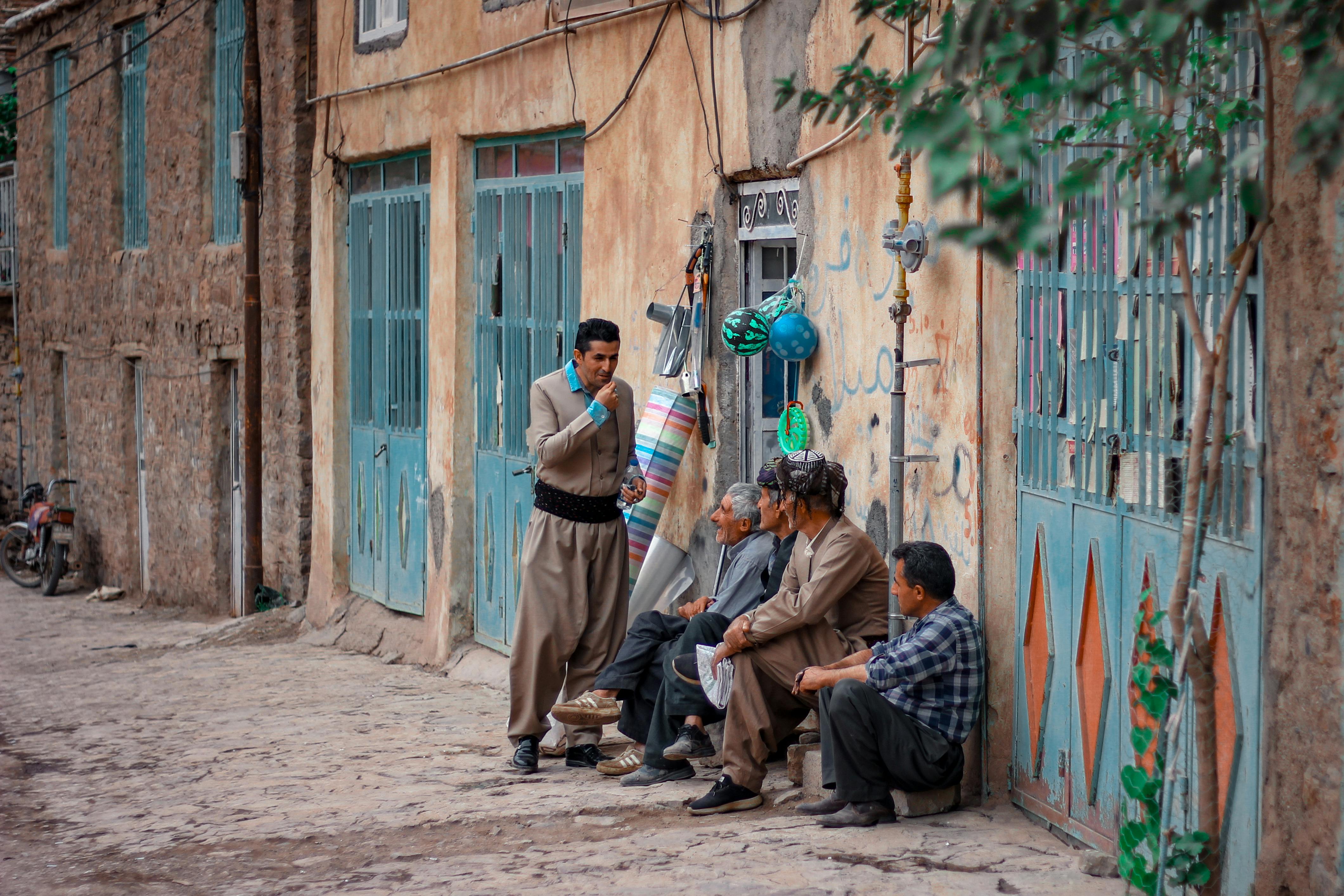

Persian cultural centers across America serve as vital sanctuaries where Iranian traditions flourish, communities unite, and bridges are built with broader American society. These centers are cultural spaces that help shape and preserve Persian heritage by serving as educational hubs and catalysts for cultural exchange, enriching both Iranian diaspora communities and their American neighbors.

Welcome to United Tribes
Where Persian Culture Comes Alive
Join Your Tribe
Connect with your people
Discover Events
Watch parties & festivals
Find Persian Businesses
Restaurants, markets & more
Earn Crown Credits
Get rewarded for engaging
The Foundation of Persian Cultural Identity in America
Persian cultural centers have emerged as cornerstone institutions within the Iranian community, providing essential services that extend far beyond simple social gatherings. These centers typically house libraries filled with Persian literature, art galleries showcasing traditional and contemporary Iranian works, and classrooms where Farsi language instruction keeps linguistic heritage alive for younger generations. Many centers also maintain traditional Persian gardens, creating peaceful spaces that evoke Iran's rich horticultural traditions.
The architectural design of many Persian cultural centers reflects this commitment to authenticity, incorporating elements like geometric tilework, calligraphy, and courtyard layouts that echo classical Persian aesthetics. These visual reminders help maintain cultural connections among community members while introducing American visitors to Iran's sophisticated artistic traditions.
The centers serve multiple generations simultaneously, offering programs for elderly community members who seek to maintain their cultural connections, middle-aged professionals navigating bicultural identities, and children learning about their Persian heritage. This multigenerational approach ensures that Persian identity and cultural pride remain strong across family lines and community networks.
Preserving Ancient Traditions and Festivals
Persian cultural centers excel at maintaining Iran's rich calendar of traditional celebrations, transforming these ancient observances into community-wide events that strengthen cultural bonds. The centers coordinate elaborate Nowruz celebrations each spring, complete with traditional Haft-Sin tables, Persian music performances, and authentic cuisine that connects participants to thousands of years of Persian New Year traditions.
Winter Solstice Celebrations
Shabe Yalda celebrations represent another crucial cultural preservation effort undertaken by these centers. During the longest night of the year, families gather to share pomegranates, watermelons, and nuts while reciting poetry from Hafez and Ferdowsi. These gatherings reinforce family bonds while teaching younger generations about Persian literature and seasonal traditions that predate Islam in Iran.
Religious and Cultural Observances
The centers also coordinate observances for various religious backgrounds within the Iranian community, including Zoroastrian fire ceremonies, Islamic holidays, and secular cultural celebrations. This inclusive approach acknowledges the religious diversity within Iranian culture while maintaining focus on shared Persian heritage and values.
Many centers organize special Persian poetry nights, where community members gather to recite works by classical poets such as Rumi, Hafez, and Omar Khayyam. These literary gatherings preserve oral tradition while fostering appreciation for Persian intellectual heritage among both Iranian-Americans and interested outsiders.
Educational Programs and Language Preservation
Language preservation represents one of the most critical functions of Persian cultural centers, with many operating weekend Persian schools that teach Farsi reading, writing, and conversation to children of Iranian heritage. These programs often integrate cultural education with language instruction, teaching students about Persian history, geography, and customs alongside linguistic skills.
Adult education programs serve community members seeking to improve their English proficiency while maintaining their Persian cultural identity. Many centers offer citizenship preparation classes, professional development workshops, and computer literacy courses that help Iranian immigrants integrate successfully into American society without losing their cultural roots.
Cultural Arts Education
Traditional arts instruction forms another cornerstone of educational programming at Persian cultural centers. Students can learn Persian calligraphy, miniature painting, carpet weaving techniques, and traditional music using instruments like the tar, setar, and tombak. These programs ensure that artistic traditions continue to flourish within the Iranian community.
Dance classes teaching regional Persian folk dances and classical Persian dance forms provide a physical expression of cultural heritage while building community connections. Many centers maintain performance troupes that showcase these traditional arts at cultural festivals and community events throughout their regions.
Promoting Cultural Exchange and Understanding
Persian cultural centers serve as crucial ambassadors for Iranian culture within broader American communities, hosting open houses, cultural festivals, and educational seminars that introduce non-Iranian Americans to Persian traditions, cuisine, and values. These outreach efforts combat stereotypes and misconceptions while building bridges between different cultural communities.
Many centers participate in multicultural festivals, interfaith dialogues, and community service projects that demonstrate Iranian-American civic engagement and cultural contributions. Through these activities, they showcase the principles of Persian hospitality and social etiquette, emphasizing respect, generosity, and community harmony.
Community Partnerships
Successful Persian cultural centers develop partnerships with local universities, museums, libraries, and other cultural institutions to expand their educational reach and cultural impact. These collaborations often result in Persian language courses at nearby colleges, Iranian art exhibitions at local museums, and Persian literature discussions at public libraries.
The centers frequently host lectures by Iranian-American professionals, artists, and scholars who share their expertise while serving as role models for younger community members. These events strengthen professional networks within the Iranian diaspora while showcasing Iranian-American achievements to the broader community.
Supporting Iranian-American Businesses and Entrepreneurs
Beyond cultural preservation, many Persian cultural centers actively support Iranian-American economic development by offering networking opportunities, business mentorship programs, and venues to showcase Iranian-American enterprises. These centers often host business expos, professional networking events, and entrepreneurship workshops that help community members achieve economic success while maintaining cultural connections.
The centers frequently feature Iranian-American restaurants, artisans, and service providers at their events, creating economic opportunities while exposing community members to businesses that understand their cultural preferences and needs. This economic dimension strengthens the overall Iranian-American community while supporting cultural continuity through commercial success.
Fostering Intergenerational Connections
Persian cultural centers excel at bringing together different generations within Iranian-American families, providing neutral spaces where traditional values and modern American experiences can coexist and be discussed. Elder community members share stories of pre-revolution Iran, traditional recipes, and cultural wisdom with younger generations who may have limited direct connection to their ancestral homeland.
These intergenerational exchanges are facilitated through mentorship programs, oral history projects, and cultural workshops, where knowledge naturally passes from experienced community members to enthusiastic learners. The centers create structured opportunities for these connections while also providing informal spaces where relationships can develop organically.
The emphasis on kindness and social courtesy in Iranian culture provides a framework for these intergenerational relationships, ensuring that respect and mutual learning characterize these important cultural transmission processes.
Building Bridges Through Persian Heritage
Persian cultural centers across America continue to serve as vital institutions that preserve Iranian heritage, foster meaningful connections within diaspora communities, and promote broader cultural understanding. The work of these cultural centers extends far beyond simple community gathering, encompassing education, artistic preservation, economic development, and cross-cultural dialogue that benefits both Iranian-Americans and their neighbors. Through their comprehensive programming and community-focused approach, Persian cultural centers ensure that Iranian traditions remain vibrant and accessible to future generations.
Visit United Tribes today to learn more about Persian culture and community connections near you.
Make United Tribes Your Preferred Source
Add United Tribes on Google to get the latest stories, cultural updates, and community events directly in your Google Search and Top Stories.


