
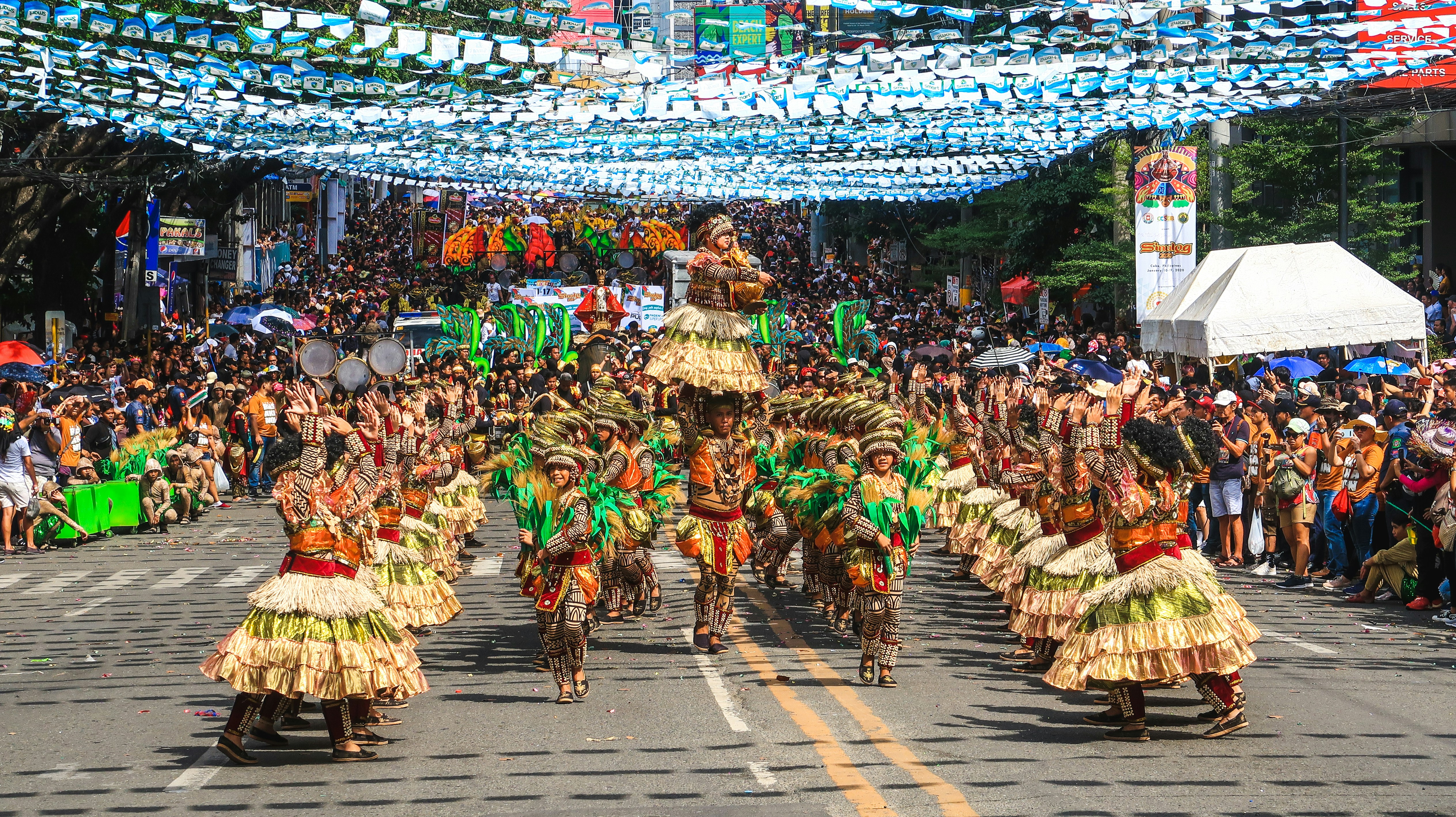

Filipino communities across America maintain an extraordinary tapestry of faith that weaves through every aspect of daily life, creating vibrant celebrations that honor centuries-old traditions while adapting to modern American contexts. The deep-rooted Filipino Catholic traditions serve as pillars of identity, bringing together families and communities in powerful displays of devotion that span the entire calendar year. From the solemn processions of Holy Week to the joyous festivities of Christmas, Filipino communities demonstrate how spiritual practice becomes a cornerstone of cultural preservation, faith, worship, and community building.
The Foundation of Filipino Catholic Heritage in America
Filipino Catholicism arrived in America through waves of immigration that brought not just individuals and families, but entire systems of belief and practice shaped by over 400 years of Spanish colonial influence and indigenous Filipino spirituality. This unique blend created a distinctly Filipino expression of Catholic faith that emphasizes community participation, elaborate visual displays, and deep personal devotion to specific saints and religious figures.

Welcome to United Tribes
Where Filipino Culture Comes Alive
Join Your Tribe
Connect with your people
Discover Events
Watch parties & festivals
Find Filipino Businesses
Restaurants, markets & more
Earn Crown Credits
Get rewarded for engaging
Filipino community events centered around faith serve multiple purposes within American communities, functioning as religious observances, cultural education opportunities, and social gatherings that strengthen community bonds. Churches become cultural centers where Filipino languages are spoken, traditional foods are prepared and shared, and younger generations learn about their heritage through active participation in religious celebrations.
The establishment of Filipino Catholic communities across major American cities has created networks of support and cultural exchange that extend far beyond individual parishes. These communities often coordinate celebrations, share resources for large festivals, and collaborate on community service projects that reflect the Filipino values of bayanihan (community spirit) and kapamilya (family-centered relationships).
Major Filipino Religious Festivals Throughout the Year
Simbang Gabi and Christmas Celebrations
The nine-day Simbang Gabi tradition, also known as Misa de Gallo, represents one of the most beloved Filipino Catholic traditions practiced in American communities. Beginning December 16th, Filipino parishes across the country will host early morning Masses at 4:00 or 5:00 AM, recreating a tradition that originated in the Philippines as a way for farmers to attend Mass before beginning their daily work.
These pre-dawn services create intimate community gatherings where families bundle up in winter coats to attend masses filled with traditional Filipino Christmas carols, special readings, and the sharing of traditional foods like bibingka and puto bumbong after each service. The completion of all nine masses is believed to grant special blessings and represents a significant commitment to faith that strengthens community bonds.
Filipino Christmas celebrations extend well beyond Simbang Gabi, incorporating elaborate parol (star lantern) displays, traditional kundiman caroling groups, and extensive family gatherings that blend Filipino traditions with American holiday customs. Churches often organize parol-making workshops, teaching younger generations the art of creating these intricate star-shaped decorations that symbolize the Star of Bethlehem.
Holy Week Observances
Filipino Holy Week traditions bring some of the most dramatic and moving religious observances to American communities, including elaborate Stations of the Cross processions, Salubong (resurrection) celebrations, and traditional plays called Senakulo that center around the Passion of Christ. These events often require months of preparation and involve entire communities in roles ranging from performers to costume designers to food preparation committees.
The Salubong celebration, which recreates the meeting between the risen Christ and his mother Mary, often takes place in church parking lots or community centers before dawn on Easter Sunday, featuring elaborate floats, traditional costumes, and community choirs singing traditional Filipino hymns. These celebrations create powerful intergenerational experiences where grandparents share stories and traditions while younger family members participate in age-old rituals.
Community Service and Social Action
Filipino Catholic communities across America demonstrate their faith through extensive community service initiatives that reflect the Filipino concept of pakikipagkapwa (shared identity with others). Churches organize regular food drives, disaster relief efforts, and support programs for newly arrived immigrants, creating practical expressions of faith that serve both Filipino and broader American communities.
Healthcare missions represent particularly important aspects of Filipino faith-based community service, drawing on the large number of Filipino American healthcare professionals who volunteer their skills through church-sponsored clinics and health screening events. These initiatives often coincide with major religious celebrations, combining spiritual observance with practical community care.
Educational support programs, including tutoring services, scholarship funds, and cultural preservation classes, demonstrate how Filipino communities invest in future generations while preserving their cultural heritage. Many churches offer weekend Filipino language classes, traditional dance instruction, and cultural history programs alongside religious education.
Devotional Practices and Personal Faith
Personal devotional practices within Filipino American communities often center around specific saints and religious figures that hold particular significance in Filipino spirituality. Devotion to the Santo Niño (Holy Child Jesus), Our Lady of Perpetual Help, and various patron saints creates year-round cycles of prayer, novenas, and personal religious observances that extend beyond formal church services.
Home altars, known as dambana, remain common features in Filipino American households, serving as focal points for daily prayer and family devotions. These personal sacred spaces often include religious statues brought from the Philippines, family photographs, fresh flowers, and candles, creating intimate settings for personal and family prayer that connect American homes to Filipino spiritual traditions.
The practice of panata (religious vows or promises) continues within American Filipino communities, with individuals making commitments to specific devotional practices, charitable actions, or pilgrimage journeys in exchange for divine intercession. These personal faith practices often culminate in public expressions of gratitude during major religious celebrations, strengthening both individual faith and community witness.
Modern Adaptations and Digital Faith Communities
Technology has transformed how Filipino American communities practice and share their faith, with churches livestreaming traditional celebrations, organizing virtual prayer groups, and creating online platforms for sharing religious content in Filipino languages. These digital innovations became particularly important during the COVID-19 pandemic, enabling communities to maintain religious observances while adhering to safety protocols.
Social media platforms have become important tools for organizing Filipino community events, sharing photos and videos from religious celebrations, and connecting Filipino Catholics across different cities and states. Facebook groups, YouTube channels, and Instagram accounts dedicated to Filipino Catholic traditions help preserve and transmit religious practices to younger generations who may live far from established Filipino communities.
Online novenas, virtual pilgrimage experiences, and digital religious education programs represent new frontiers in Filipino Catholic practice that complement rather than replace traditional in-person community gatherings. These technological adaptations demonstrate the adaptability of Filipino faith communities while maintaining core spiritual and cultural values.
The celebration of these traditions often brings families together around tables filled with traditional foods and shared memories, creating connections between faith, culture, and family bonds that span generations. These gatherings underscore the significance of community and shared heritage in preserving the Filipino identity within American society.
Building Bridges Through Faith-Based Cultural Exchange
Filipino religious celebrations in America often welcome participation from non-Filipino community members, creating opportunities for cultural exchange and interfaith dialogue that strengthen broader community relationships. Churches frequently invite neighbors to experience Filipino hospitality through shared meals, cultural performances, and explanations of religious traditions that demonstrate the universal values of faith, family, and community service.
These interfaith connections often lead to collaborative community service projects, shared social justice initiatives, and mutual support during times of crisis or celebration. The welcoming nature of Filipino Catholic traditions creates natural bridges between communities while maintaining the distinctive character of Filipino spiritual practice.
Living Faith in Filipino America
The year-round celebration of faith within Filipino American communities represents a comprehensive approach to maintaining cultural identity, building community connections, and serving others through practical expressions of spiritual values.
From the pre-dawn masses of Simbang Gabi to the elaborate processions of Holy Week, these traditions create spaces where Filipino Americans can experience the fullness of their heritage while contributing meaningfully to their adopted communities. The integration of faith, culture, and community service demonstrates how religious traditions can serve as powerful tools for cultural preservation and social integration.
Visit United Tribes today to learn more about Filipino culture and community celebrations throughout the year.
Make United Tribes Your Preferred Source
Add United Tribes on Google to get the latest stories, cultural updates, and community events directly in your Google Search and Top Stories.