
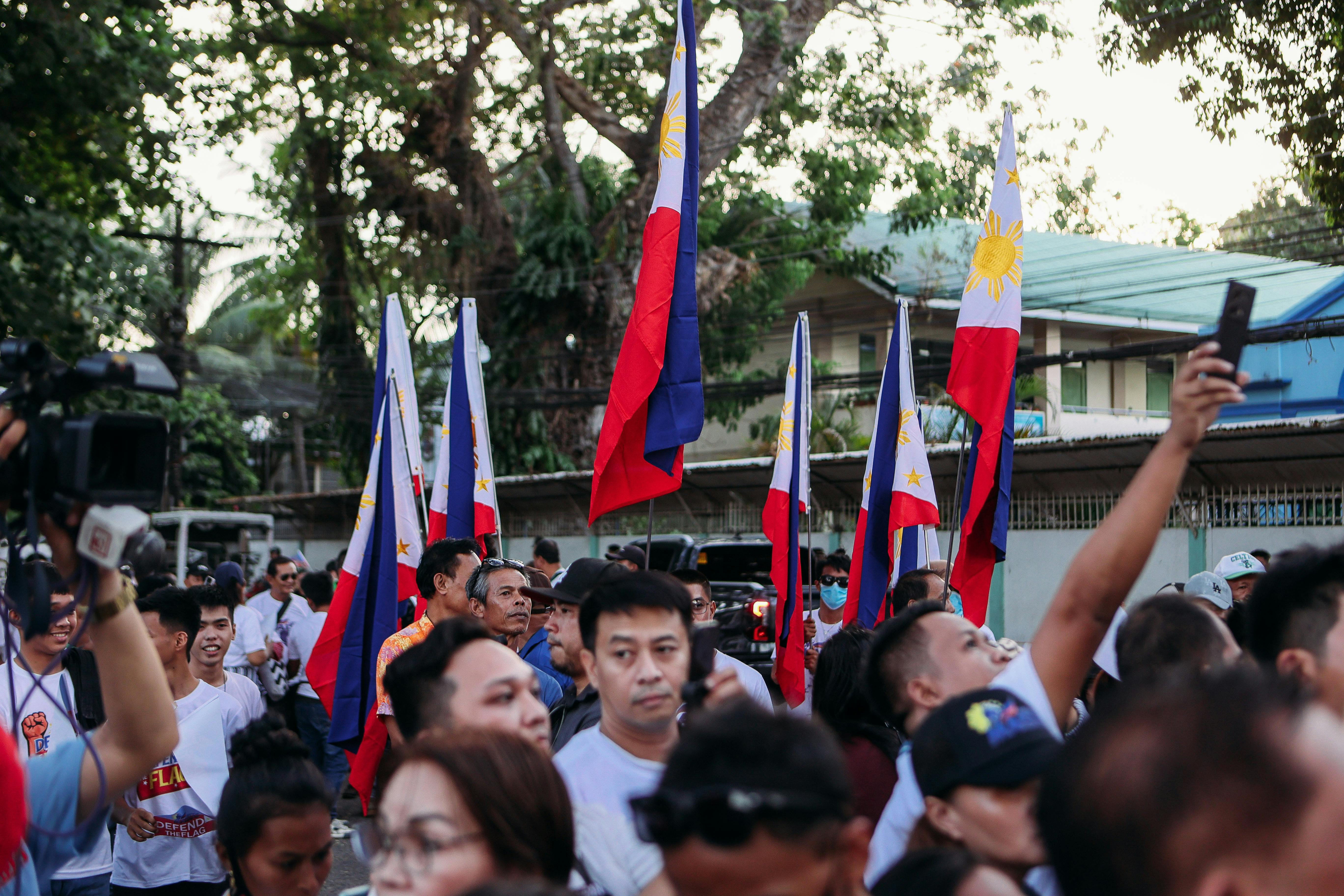

The Filipino diaspora represents one of the largest and most dispersed populations globally, with the United States being home to over 4 million Filipino Americans. This community has survived the challenges of immigration and thrived, building vibrant networks that span from the bustling streets of Los Angeles to the urban centers of New York, and creating spaces where culture flourishes and traditions endure.
The Journey of Building Community
Early Foundations and Settlement Patterns
The Filipino community has deep historical roots that extend back over a century, with each wave of immigration bringing unique perspectives and contributions. From the early manongs who worked in Hawaiian sugar plantations and California farms to the post-1965 professionals who arrived following immigration reform, each generation has contributed to the complex mosaic of Filipino-American identity.

Welcome to United Tribes
Where Filipino Culture Comes Alive
Join Your Tribe
Connect with your people
Discover Events
Watch parties & festivals
Find Filipino Businesses
Restaurants, markets & more
Earn Crown Credits
Get rewarded for engaging
Filipino immigrants have consistently demonstrated remarkable resilience in establishing communities that serve as cultural anchors. In cities such as San Francisco, Chicago, and Houston, Filipino-American culture centers have emerged as vital gathering spaces where language classes are taught, traditional dances are practiced, and significant cultural celebrations are held.
The process of community building often begins with the most basic human need: connection. Filipino immigrants frequently establish informal networks through workplace relationships, church congregations, and neighborhood associations. These connections gradually evolve into more structured organizations, from professional associations for Filipino nurses and healthcare workers to cultural groups focused on preserving regional traditions from specific provinces in the Philippines.
Regional Associations and Provincial Connections
One distinctive aspect of Filipino community building in America involves maintaining provincial and regional identities. Organizations representing specific regions, such as Ilocanos, Visayans, Bicolanos, and Mindanaoans, create micro-communities within the broader Filipino diaspora. These groups organize events that celebrate regional cuisines, dialects, and customs, ensuring that the Philippines' diverse cultural landscape remains vibrant in the United States.
These regional associations often serve practical purposes beyond cultural preservation. They provide newcomers with job referrals, housing assistance, and guidance through the complex process of American integration while maintaining cultural identity. The network effect of these connections creates a safety net that helps Filipino families navigate challenges while preserving their heritage.
Preserving Traditions Across Generations
Language and Communication
The preservation of Filipino languages represents one of the most significant challenges and triumphs within Filipino-American culture. While English serves as the primary language of professional and educational advancement, many families work diligently to maintain fluency in Tagalog, Ilocano, Cebuano, and other Philippine languages at home.
Weekend language schools, often hosted in community centers or church facilities, have become essential institutions for transmitting linguistic heritage to American-born children. These programs go beyond basic language instruction, incorporating cultural education, traditional storytelling, and historical awareness. Parents and grandparents serve as living repositories of language, sharing not just vocabulary and grammar but the nuanced cultural contexts that give words their deeper meanings.
Code-switching between the English and Filipino languages has evolved as a natural expression of Filipino-American identity. This linguistic flexibility reflects the community's ability to navigate multiple cultural spaces while maintaining authentic connections to their heritage.
Cultural Celebrations and Festivals
The calendar of Filipino community events reflects a careful balance between American holidays and traditional Filipino celebrations. Independence Day celebrations in June bring together thousands of Filipino-Americans in major cities, featuring parades, cultural performances, and food festivals that showcase the diversity of Philippine regional cultures. These events serve as powerful demonstrations of community pride and cultural continuity.
Traditional celebrations like Christmas and New Year's Eve take on distinctly Filipino characteristics, with families gathering for Noche Buena feasts and children participating in the tradition of seeking blessings from elders. Bringing and adapting fiestas and other Filipino celebrations demonstrates how these celebrations evolve while maintaining their essential spiritual and cultural significance.
Religious celebrations, particularly those honoring the Black Nazarene, the Santo Niño, and various patron saints, create opportunities for community gathering that transcend regional and generational differences. These events combine devotional practices with cultural expression, featuring traditional music, dance, and food that reinforce community bonds.
Food as Cultural Bridge
Culinary Preservation and Innovation
The kitchen serves as the most important space for cultural transmission within Filipino-American households. The preparation and sharing of traditional dishes create opportunities for storytelling, skill transfer, and cultural education that occur naturally within family life. Grandmothers teach grandchildren the precise balance of vinegar and soy sauce that makes perfect adobo, while mothers demonstrate the patient folding technique required for proper lumpia.
Filipino comfort food plays a crucial role in maintaining emotional connections to the Philippines while creating new memories in American settings. The aroma of pancit being prepared for birthday celebrations or the sight of lechon at graduation parties creates sensory bridges between the past and present, the homeland and the adopted country.
Filipino restaurants, grocery stores, and food trucks have become community gathering places where authentic flavors are preserved and shared with broader American audiences. These businesses serve dual purposes: they provide Filipino families with access to familiar ingredients and prepared foods while introducing non-Filipino Americans to the rich culinary traditions of the Philippines.
Regional Specialties and Culinary Diversity
The diversity of Philippine cuisine is fully expressed within American Filipino communities, where regional specialties are preserved and celebrated. Various regional Filipino dishes reveal how immigrant communities maintain connections to specific provinces and islands through food traditions that might otherwise be overshadowed by more widely known dishes.
Community potluck dinners and cultural festivals offer platforms for sharing regional specialties, from Bicol Express to Cebu lechon, creating opportunities for Filipino Americans to explore the full breadth of their culinary heritage. These events also serve educational purposes, with older community members sharing the historical and cultural contexts that give traditional dishes their significance and meaning.
Navigating Identity and Belonging
Intergenerational Dynamics
The Filipino-American culture experience involves continuous negotiation between heritage preservation and American integration, with each generation approaching this balance differently. First-generation immigrants often focus on maintaining strong connections to Philippine customs, languages, and social networks, while their American-born children navigate the complexities of bicultural identity.
Second- and third-generation Filipino Americans frequently experience periods of cultural rediscovery, seeking to understand and embrace aspects of their heritage that may have been de-emphasized during their childhood assimilation efforts. This cyclical pattern of cultural engagement reflects the natural evolution of immigrant communities as they establish roots while maintaining connections to their origins.
Community organizations have adapted to serve these intergenerational needs, offering programs that range from traditional cultural instruction for young people to professional development opportunities that incorporate cultural identity. Youth leadership programs, cultural mentorship initiatives, and heritage tours to the Philippines create structured opportunities for cultural exploration and identity development.
Professional Networks and Economic Integration
The Filipino diaspora in America has achieved remarkable success in various professional fields, particularly in healthcare, education, engineering, and business. Professional associations for Filipino-American doctors, nurses, teachers, and entrepreneurs serve both networking and cultural functions, providing career advancement opportunities while maintaining community connections.
These professional networks often extend beyond individual career development to encompass community service initiatives, scholarship programs, and mentorship opportunities for younger Filipino Americans. The success of established professionals creates pathways for newcomers, demonstrating the potential for economic advancement without requiring cultural assimilation.
Filipino-American businesses, ranging from small family restaurants to large healthcare practices, make significant contributions to both the American economy and the maintenance of community infrastructure. These enterprises often serve as informal community centers, offering employment opportunities, cultural products, and gathering spaces that foster stronger community bonds.
Resilience and Community Support
Response to Challenges and Crises
One aspect of Filipino resilience demonstrates how community networks provide crucial support during difficult times. Whether responding to natural disasters in the Philippines, supporting families facing immigration challenges, or addressing discrimination and social justice issues in America, Filipino-American communities have consistently demonstrated remarkable collective resilience.
Community organizations coordinate disaster relief efforts, maintain scholarship funds for students facing financial challenges, and provide immigration legal services for families navigating complex bureaucratic processes. These support systems reflect traditional Filipino values of bayanihan, which is community cooperation and mutual aid.
The COVID-19 pandemic revealed both the vulnerabilities and strengths of Filipino-American communities, as healthcare workers faced disproportionate risks. In contrast, community organizations adapted quickly to provide virtual cultural programming and emergency assistance to affected families.
Cultural Centers and Community Spaces
Physical spaces dedicated to Filipino-American culture serve as vital anchors for community life. From the Filipino Community Center in San Francisco to the various bahay kubo replicas found in community gardens across the country, these spaces serve as venues for cultural programming, language instruction, and community gatherings.
Churches, particularly Catholic parishes with significant Filipino congregations, often serve dual roles as spiritual and cultural centers. These religious institutions host cultural festivals, language classes, and social services, while providing familiar liturgical experiences that connect Filipino Americans to their religious heritage.
Community centers offer programming that spans all age groups, from senior citizen social hours featuring traditional games and music to youth programs that combine academic support with cultural education. These multigenerational spaces facilitate the natural transmission of cultural knowledge while addressing contemporary community needs.
Building Bridges Through Heritage
The ongoing evolution of Filipino-American culture continues to inspire new generations of community builders, cultural ambassadors, and bridge-builders who understand that preserving heritage while embracing change creates the strongest foundations for lasting community success. These communities serve as living testaments to the power of cultural connection in fostering a sense of belonging and identity across geographic and generational boundaries.
Visit United Tribes today and discover more about Filipino culture and community connections that can help you explore the rich traditions and vibrant networks that make the Filipino-American experience so remarkable.
Make United Tribes Your Preferred Source
Add United Tribes on Google to get the latest stories, cultural updates, and community events directly in your Google Search and Top Stories.