
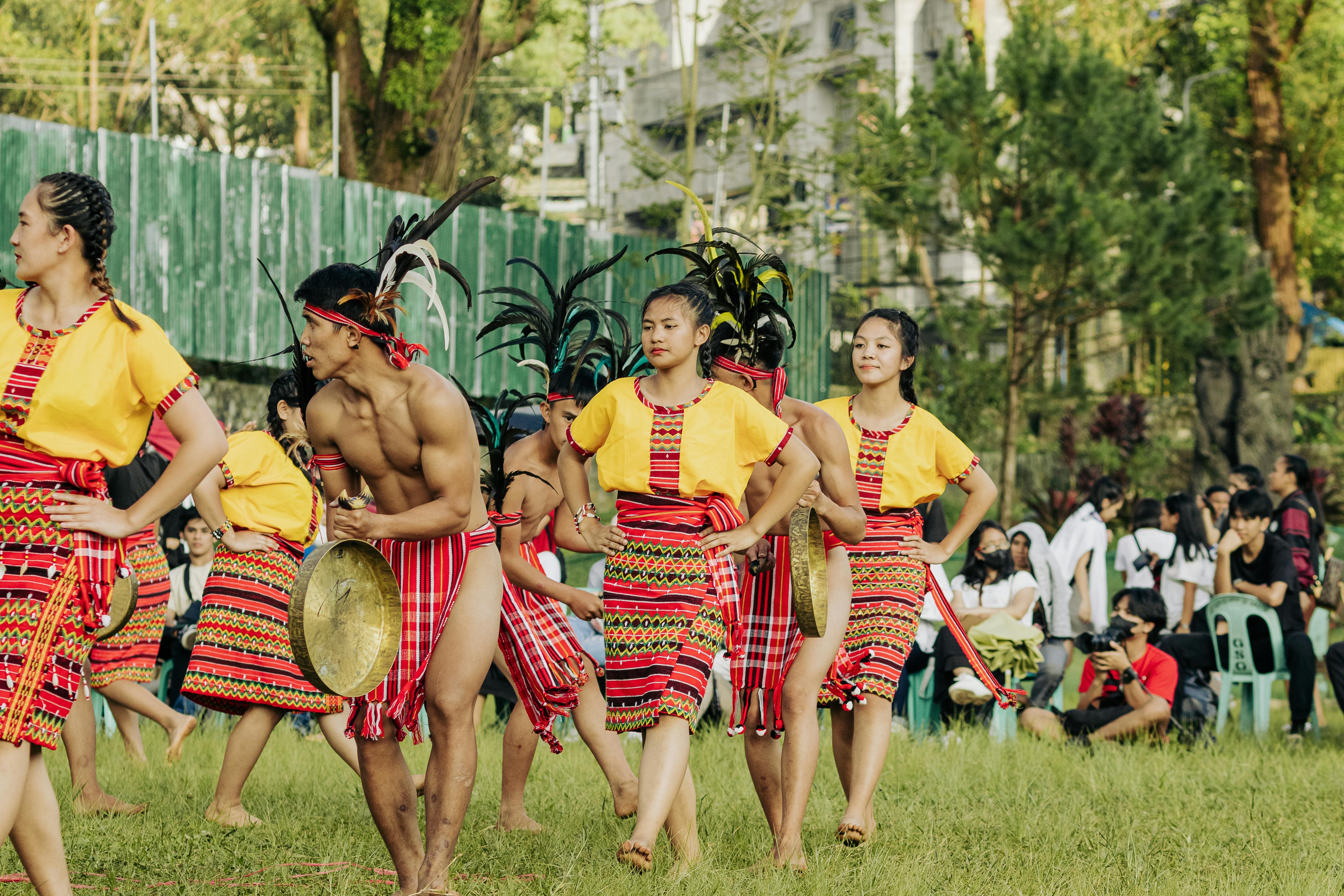

From the bustling streets of Los Angeles to the vibrant neighborhoods of New York, Filipino festivals have become cornerstone events that unite communities while preserving rich cultural traditions. These gatherings serve as powerful reminders of home for Filipino-Americans while introducing broader audiences to the beauty of Philippine culture. Through colorful parades, traditional performances, and authentic cuisine, these festivals create spaces where heritage thrives and community bonds strengthen.
The Cultural Significance of Filipino Festivals in America
Filipino-American community celebrations and festivals represent vital cultural preservation efforts that maintain connections to ancestral traditions. These events serve multiple purposes within diaspora communities, acting as educational platforms where younger generations learn about their heritage while older generations share their stories and wisdom.

Welcome to United Tribes
Where Filipino Culture Comes Alive
Join Your Tribe
Connect with your people
Discover Events
Watch parties & festivals
Find Filipino Businesses
Restaurants, markets & more
Earn Crown Credits
Get rewarded for engaging
Festival organizers across the country work tirelessly to ensure authenticity remains at the heart of every celebration. Traditional barong tagalog and filipiniana attire grace festival grounds, while the sounds of kulintang and rondalla music fill the air. These elements create immersive experiences that transport attendees to the Philippines, even while celebrating on American soil.
The festivals also provide crucial economic opportunities for Filipino-American entrepreneurs, artisans, and performers. Vendors selling everything from handwoven textiles to traditional jewelry find enthusiastic audiences. At the same time, food entrepreneurs introduce festival-goers to regional Philippine cuisines that might otherwise remain unknown in their local areas.
Major Filipino Festivals Across the United States
Pistahan Parade and Festival - San Francisco
San Francisco's Pistahan stands as one of the largest Filipino cultural events on the West Coast, typically held every August in Yerba Buena Gardens. This massive celebration attracts over 100,000 attendees annually, featuring multiple performance stages, cultural exhibits, and vendor booths spanning several city blocks.
The festival showcases regional Philippine dances, including tinikling, singkil, and pandanggo sa ilaw, performed by cultural groups from across Northern California. Attendees can witness the intricate artistry of Filipino weaving traditions through live demonstrations and vendor displays featuring traditional crafts.
Philippine Independence Day Parade - New York
Manhattan's Philippine Independence Day Parade, held annually in June along Madison Avenue, represents the largest Filipino celebration on the East Coast. This parade combines patriotic pride with cultural celebration, featuring elaborate floats representing different Philippine provinces and Filipino-American organizations.
The event draws participants from across the tri-state area, with Filipino-American community leaders, cultural dancers, and marching bands creating a spectacular procession. Following the parade, festival activities continue in nearby parks with food vendors, live entertainment, and cultural exhibitions.
Flores de Mayo Festival - Los Angeles
Los Angeles hosts multiple Filipino festivals throughout the year, with Flores de Mayo celebrations standing out for their religious and cultural significance. These May festivals honor the Virgin Mary while celebrating Filipino heritage through processions, traditional music, and community gatherings.
The celebrations often feature Santacruzan processions where young women in elegant gowns represent different virtues and biblical figures. These events strengthen religious bonds within the community while preserving important Filipino Catholic traditions that have been passed down through generations.
Community Building Through Cultural Celebration
Filipino festivals are powerful community-building platforms that address the unique challenges faced by diaspora populations. These gatherings provide safe spaces where Filipino-Americans can express cultural identity without fear of misunderstanding or judgment.
For many families, festivals become annual reunions where extended Filipino-American networks reconnect and strengthen relationships. Children who might otherwise feel disconnected from their heritage gain appreciation for Filipino culture through festival participation, whether as performers, volunteers, or enthusiastic attendees.
The festivals also create bridges between different generations within the Filipino-American community. Elderly immigrants share stories and traditions with younger family members, while American-born Filipinos gain a deeper understanding of their ancestral homeland's rich cultural tapestry.
Educational Impact and Cultural Transmission
Educational components integrated into festival programming ensure cultural knowledge passes effectively to younger generations. Workshops teaching traditional crafts, cooking classes featuring regional Philippine cuisines, and historical exhibits about Philippine-American relations provide learning opportunities that extend beyond entertainment.
Many festivals partner with local schools and universities to offer educational programming that benefits both Filipino-American students and their broader classmates. These initiatives help combat cultural stereotypes while promoting understanding and appreciation for Filipino contributions to American society.
Modern Elements and Traditional Preservation
Contemporary Filipino cultural events successfully balance traditional preservation with modern innovation, creating dynamic celebrations that appeal to diverse audiences. While maintaining core cultural elements, festival organizers incorporate contemporary music, fusion cuisine, and digital media to engage younger participants.
Modern festivals often feature Filipino-American artists who blend traditional and contemporary styles, creating unique performances that reflect the diaspora experience. These artistic expressions demonstrate how culture evolves while maintaining essential characteristics, similar to how everyday Filipino icons have adapted to American contexts.
Technology integration has also enhanced festival experiences through social media promotion, mobile food ordering, and live streaming for community members who cannot attend in person. These innovations expand festival reach while maintaining intimate community connections.
Economic and Social Impact
Filipino festivals also generate a significant economic impact for host communities while supporting Filipino-American businesses and entrepreneurs. Local restaurants experience increased patronage during festival periods, while Filipino specialty stores see boosted sales of traditional ingredients and cultural items.
The festivals create employment opportunities for community members, from event planning and coordination to performance and vendor participation. This economic activity strengthens the overall Filipino-American community while demonstrating the positive contributions of cultural celebrations to broader American society.
Social impact extends beyond economic benefits, as festivals foster cross-cultural understanding and appreciation. Non-Filipino attendees gain exposure to Philippine culture, often developing lasting appreciation for Filipino traditions, cuisine, and values. These positive interactions help combat prejudice while building multicultural community bonds.
Preserving Heritage Through Celebration
Filipino festivals across the United States embody the resilience, creativity, and cultural pride of Filipino-American communities nationwide. These celebrations successfully preserve traditional heritage while adapting to American contexts, creating inclusive spaces where culture thrives and community bonds strengthen. Through continued support and participation, these festivals will remain vital pillars of Filipino-American identity for generations to come.
The enduring success of these festivals demonstrates the power of cultural celebration in maintaining diaspora connections while contributing to America's rich multicultural tapestry. As Filipino communities continue growing and evolving across the country, these festivals will undoubtedly adapt and expand, ensuring that Philippine heritage remains vibrant and accessible to all who wish to experience its beauty.
Visit United Tribes today and find out more about Filipino culture and community events happening near you.
Make United Tribes Your Preferred Source
Add United Tribes on Google to get the latest stories, cultural updates, and community events directly in your Google Search and Top Stories.


