
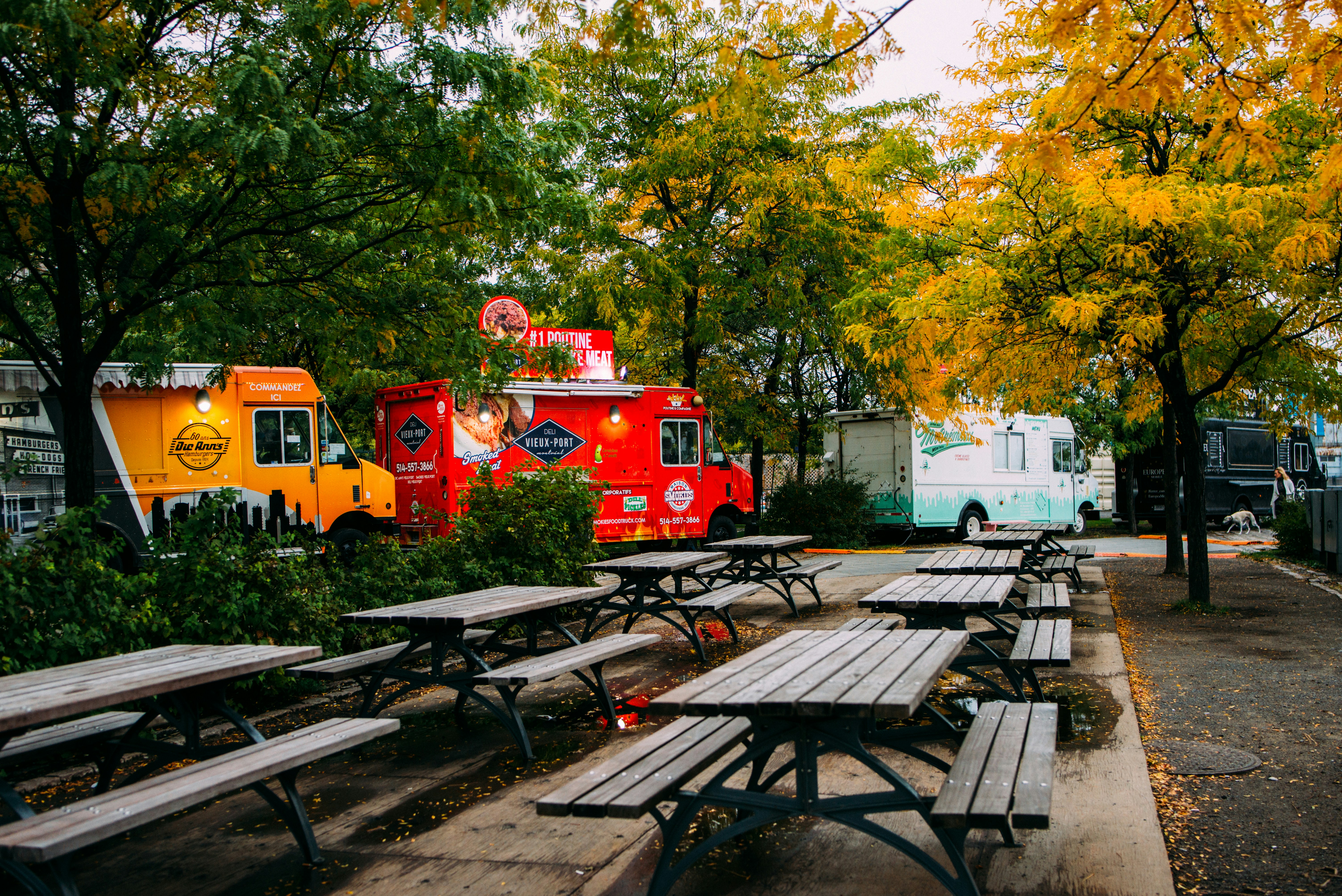


The streets of America are experiencing a Filipino flavor revolution, one food truck at a time. Across major cities from Los Angeles to New York, Filipino food trucks have emerged as vibrant cultural ambassadors, bringing authentic island flavors to busy street corners, festivals, and events. These mobile kitchens are modern manifestations of Filipino entrepreneurial spirit and cultural pride, serving traditional dishes while adapting to American tastes and lifestyles.
Filipino-American entrepreneurs have adopted the food truck model as a cost-effective entry point into the restaurant industry, offering lower startup costs than traditional brick-and-mortar establishments while providing maximum flexibility. This mobility allows them to reach diverse audiences, introducing unfamiliar palates to the complex, bold flavors that define Filipino cuisine. From the savory richness of adobo to the crispy perfection of lumpia, these rolling restaurants are redefining how Americans experience Filipino street food.
The Rise of Mobile Filipino Cuisine
The explosion of Filipino food trucks in the USA reflects broader trends in American dining culture, where authenticity and convenience intersect with growing appreciation for diverse culinary traditions. Filipino-American food truck owners have capitalized on the street food boom, understanding that their cuisine's bold flavors and comfort-food appeal translate perfectly to the grab-and-go format.
Cities with significant Filipino-American populations, particularly on the West Coast, have become testing grounds for innovative approaches to traditional recipes. Los Angeles leads the charge with over a dozen established Filipino food trucks, followed by San Francisco, Seattle, and, increasingly, East Coast cities such as New York and Washington, D.C.
Filipino-American cuisine on wheels offers unique advantages that traditional restaurants cannot match. Food trucks can follow events, festivals, and crowds, positioning themselves at cultural celebrations, farmers' markets, and business districts where their target audiences naturally gather. This mobility has proven especially valuable for serving both Filipino-American communities, which seek comfort foods that remind them of home, and curious food enthusiasts eager to explore new flavors.
The economic accessibility of the food truck model has democratized Filipino restaurant ownership, enabling first-generation immigrants and second-generation Filipino-Americans to enter the food service industry without prohibitive upfront investments. Many successful food truck operators report startup costs of $50,000 to $100,000, which is significantly lower than the $200,000 to $500,000 typically required for traditional restaurants.
Signature Dishes and Menu Innovation
Filipino food trucks have perfected the art of adapting complex traditional recipes for street food consumption, creating portable versions of beloved dishes that retain authentic flavors. Lumpia, perhaps the most universally appealing Filipino dish, has become a staple of food trucks, served fresh-fried and crispy with sweet and sour dipping sauces that appeal to diverse palates.
Adobo variations showcase the creativity of mobile Filipino chefs, who serve this iconic dish over rice bowls, stuffed into burritos, or as taco fillings that blend Filipino and Mexican influences. These fusion approaches reflect the multicultural environments where many Filipino-Americans grew up, creating innovative dishes that honor tradition while embracing American dining preferences.
Many trucks feature sisig, the sizzling pork dish from Pampanga, served on rice bowls or as taco fillings, introducing American diners to the dish's unique combination of crispy, chewy textures and tangy, savory flavors. The dish's bold taste profile and Instagram-worthy presentation have made it a social media favorite, helping food trucks build online followings.
Longsilog, tapsilog, and other silog combinations have found new life as food truck breakfast offerings, competing directly with American breakfast traditions by offering more complex flavor profiles and generous portions. These traditional Filipino breakfast plates, which combine garlic rice, eggs, and various proteins, satisfy American preferences for hearty morning meals while introducing unfamiliar yet appealing taste combinations.
Regional Specialties on Wheels
Food truck menus often reflect the regional backgrounds of their owners, introducing Americans to dishes beyond the familiar adobo and lumpia repertoire. Trucks operated by families from Ilocos might feature bagnet and pinakbet, while those with Visayan roots might specialize in lechon or kare-kare.
Bicol Express, with its creamy coconut milk and spicy chili peppers, has found unexpected popularity among American diners who appreciate bold, complex flavors. Food truck operators have adapted this traditionally very spicy dish for broader palates, offering varying heat levels while maintaining the dish's essential character.
Dessert offerings provide another avenue for cultural education, with trucks serving halo-halo, buko pie slices, and ube-flavored treats that capitalize on the current popularity of purple yams in American dessert trends. These sweet offerings often serve as a gateway experience for customers unfamiliar with Filipino cuisine, leading to repeat visits for their savory dishes.
Cultural Ambassadorship Through Food
Filipino food trucks serve as informal cultural ambassadors, often becoming focal points for community gatherings and cultural education. Owners often take the time to explain the origins, ingredients, and cultural significance of dishes to curious customers, transforming quick food service interactions into cultural exchange opportunities.
During Filipino-American cultural events and celebrations adapted for American settings, food trucks provide essential catering services while reinforcing cultural identity for community members. Their presence at mainstream American events introduces Filipino culture to broader audiences in a non-intimidating and accessible way.
Many food truck operators report that their mobile restaurants strengthen connections within Filipino-American communities while building bridges with other cultural groups. Regular customers often become informal ambassadors themselves, bringing friends and family to try Filipino dishes and creating ripple effects of cultural appreciation.
Social media presence has amplified the cultural impact of Filipino food trucks, with operators utilizing Instagram and TikTok to share not only food photos but also stories about ingredients, family recipes, and cultural traditions. This digital storytelling extends their influence beyond physical locations, reaching audiences nationwide and inspiring other Filipino-Americans to explore their culinary heritage.
Building Community Through Mobile Dining
The flexibility of food trucks allows operators to serve multiple Filipino-American communities across metropolitan areas, often becoming regular fixtures at different neighborhoods on specific days of the week. This consistency fosters loyal customer bases while ensuring that dispersed community members continue to have access to authentic Filipino flavors.
Food truck operators frequently collaborate with community organizations, churches, and cultural centers to provide catering services for special events, religious celebrations, and fundraising activities. These partnerships strengthen community bonds while providing sustainable business opportunities for Filipino-American entrepreneurs.
Challenges and Adaptations
Operating Filipino food trucks requires navigating unique challenges, from sourcing authentic ingredients to educating customers unfamiliar with complex dishes. Many operators have established relationships with Filipino grocery stores and importers to ensure ingredient authenticity while managing costs and maintaining supply chain reliability.
Menu adaptation presents ongoing challenges, as operators balance authenticity with broad appeal. Successful trucks often offer "gateway dishes" alongside traditional preparations, providing entry points for curious customers while satisfying community members seeking authentic flavors. This dual approach requires careful menu planning and often larger ingredient inventories.
Regulatory challenges vary significantly by city and state, with some markets more welcoming to food trucks than others. Filipino food truck operators must navigate permitting processes, health department requirements, and location restrictions while building relationships with local authorities and established restaurant owners.
Weather and seasonality impact food truck operations differently than traditional restaurants, requiring operators to develop strategies for maintaining a consistent customer base throughout the year. Many successful operations establish winter catering relationships or partner with breweries and event venues to provide indoor service opportunities during challenging weather periods.
The competitive food truck landscape requires Filipino operators to distinguish themselves not just from other Filipino trucks but from the broader mobile food industry.
Innovation and Future Growth
The success of established Filipino food trucks has inspired new generations of Filipino-American entrepreneurs to enter the mobile food industry, bringing fresh perspectives and innovative approaches to traditional cuisine. Second-generation operators often blend their parents' recipes with contemporary American food trends, creating fusion dishes that honor heritage while appealing to evolving tastes.
Technology integration has transformed the way Filipino food trucks operate, with many utilizing apps for ordering, social media for location updates, and point-of-sale systems that streamline their operations. These technological adaptations enable smaller operations to compete with larger food service companies while delivering better customer experiences.
Many successful food truck operators view their mobile operations as stepping stones toward permanent restaurant locations, using the flexibility and lower costs of truck operations to test markets, refine recipes, and build customer bases. This progression model has proven particularly effective for Filipino-American entrepreneurs, who can establish proof of concept before committing to larger investments.
The growing popularity of Filipino cuisine in mainstream American dining has created opportunities for food truck operators to expand into catering, meal delivery, and packaged food products. Some operators have leveraged their success with food trucks to launch grocery store products, bringing Filipino flavors to home cooks nationwide.
Collaboration between operators has emerged as a strategy for growth, with Filipino food truck owners coordinating schedules to avoid direct competition while supporting each other through shared suppliers, joint marketing efforts, and community resilience initiatives that strengthen the entire Filipino-American business community.
Rolling Toward Cultural Connection
Filipino food trucks across America represent more than mobile restaurants. They are cultural manifestations of heritage, innovation, tradition, and accessibility, building a community that bridges the gap with broader American society. Through their daily operations, these entrepreneurial ventures preserve authentic flavors while adapting to contemporary dining preferences, ensuring that Filipino culinary traditions continue to evolve and thrive in American contexts.
The success of Filipino food trucks demonstrates the power of food as a universal language, capable of transcending cultural boundaries while fostering a sense of community identity. As these mobile ambassadors continue expanding across American cities, they create opportunities for cultural exchange, economic empowerment, and community building that extend far beyond individual transactions.
Visit United Tribes today and discover more about Filipino culture and community, including local businesses, events, and the entrepreneurs who share their heritage one delicious meal at a time.


