
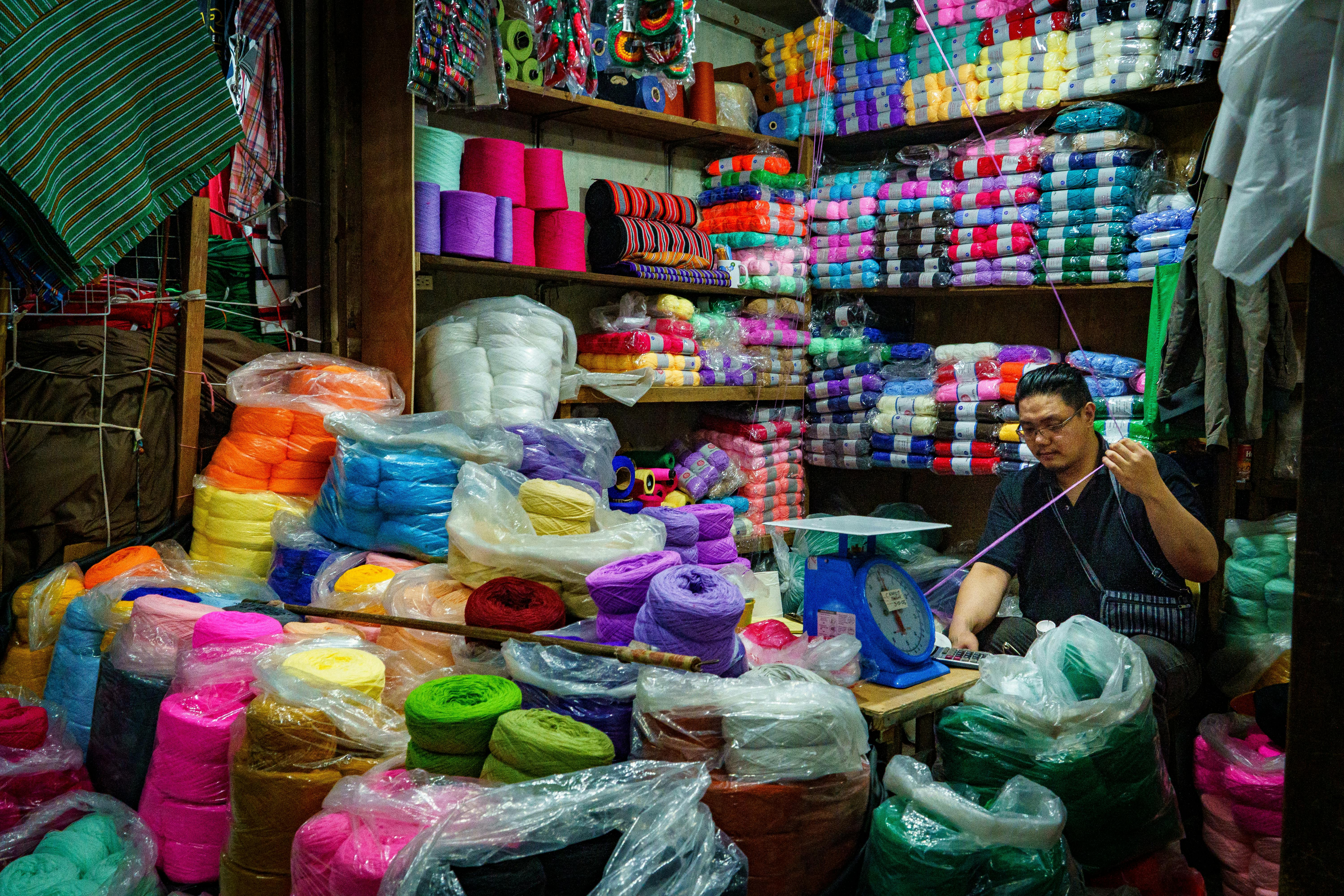

The rich tapestry of Filipino heritage extends far beyond food and festivals, weaving itself into the very fabric of traditional textiles that have defined the archipelago's cultural identity for centuries. From the sturdy abel Iloco of northern Luzon to the delicate piña textile crafted from pineapple leaves, these ancient weaving traditions continue to thrive in the United States through the dedicated efforts of Filipino-American artists and designers who refuse to let their ancestral crafts fade into obscurity.
In Filipino communities across America, traditional textiles represent a tangible connection to homeland, identity, and cultural continuity. The intricate patterns and time-honored techniques passed down through generations now find new expression in contemporary American contexts, creating a fascinating dialogue between tradition and innovation that defines much of the Filipino-American design landscape today.

Welcome to United Tribes
Where Filipino Culture Comes Alive
Join Your Tribe
Connect with your people
Discover Events
Watch parties & festivals
Find Filipino Businesses
Restaurants, markets & more
Earn Crown Credits
Get rewarded for engaging
The Legacy of Abel Iloco in America
Abel Iloco, the traditional handwoven textile from the Ilocos region, has found a vibrant second life in Filipino-American communities across the United States. This sturdy cotton fabric, characterized by its distinctive striped patterns and earthy tones.
Traditional Techniques Meet Modern Innovation
Filipino-American textile artists working with abel Iloco have discovered innovative ways to adapt traditional weaving techniques to contemporary American lifestyles. In cities like Los Angeles, San Francisco, and New York, studios specializing in Filipino weaving practices have emerged, where artists blend ancestral knowledge with modern design sensibilities.
The traditional abel weaving process involves using backstrap looms, a technique that requires incredible skill and patience. Filipino-American artisans have modified these traditional methods, incorporating modern equipment while maintaining the essential character of the original craft. This adaptation allows for increased production while preserving the authentic aesthetic that makes Abel Iloco so distinctive.
Contemporary Filipino-American designers have expanded the applications of abel beyond traditional clothing and household items. Modern interpretations include upholstery for furniture, wall hangings for galleries, and even incorporation into high-fashion garments that appear on American runways. This evolution demonstrates how traditional crafts can remain relevant and economically viable in contemporary markets.
The Delicate Art of Piña Textile Revival
Piña textile, perhaps the most celebrated of Filipino traditional fabrics, represents the pinnacle of textile artistry in the Philippines. Made from the fibers of pineapple leaves, this translucent, lightweight fabric requires extraordinary skill to produce. In the United States, Filipino-American artists have taken on the challenging task of preserving and reimagining this ancient craft.
Sustainable Fashion and Cultural Heritage
The revival of piña textile in American Filipino communities coincides perfectly with the growing sustainable fashion movement. As consumers become increasingly aware of their environmental impact, the natural and biodegradable properties of pineapple fiber textiles have garnered significant attention from both Filipino-American designers and mainstream fashion enthusiasts.
Filipino-American textile artists have established workshops and educational programs that teach the labor-intensive process of creating piña textiles. These programs not only preserve traditional knowledge but also create economic opportunities within Filipino communities. The time-intensive nature of piña production—requiring months to create a single garment—has led to the development of luxury Filipino-American fashion brands that command premium prices for authentic, handcrafted pieces.
Modern applications of piña textile extend beyond traditional barong tagalog and formal wear. Contemporary Filipino-American designers have created wedding dresses, evening gowns, and even casual wear that incorporates piña elements. This diversification has helped introduce non-Filipino Americans to the beauty and sophistication of traditional Filipino textiles while providing sustainable income streams for artisan communities.
Contemporary Filipino-American Design Movement
The landscape of Filipino-American design has been significantly enriched by the incorporation of traditional textiles into contemporary artistic expressions. This movement represents a sophisticated understanding of how cultural heritage can inform modern creative practice while maintaining authentic connections to ancestral traditions.
Innovation Through Cultural Connection
Filipino-American designers working with traditional textiles have developed unique approaches that honor ancestral techniques while addressing contemporary needs and aesthetics. This innovative spirit mirrors the adaptability that has long characterized Filipino communities, particularly in how they maintain cultural identity while integrating into American society—a theme that resonates strongly with numerous Filipino celebrations.
The integration of traditional textiles into modern design has created opportunities for Filipino-American artists to participate in major American art and fashion events. Museum exhibitions featuring Filipino textiles have appeared in institutions across the country, while Filipino-American fashion designers have gained recognition in New York Fashion Week and other prestigious venues. This visibility has elevated the profile of Filipino weaving practices and attracted new audiences to traditional Filipino arts.
Cross-cultural collaborations have become increasingly common, with Filipino-American textile artists partnering with designers from other cultural backgrounds to create fusion pieces that celebrate multiple heritage traditions. These collaborations have produced innovative textiles that incorporate abel and piña elements alongside design traditions from other cultures, creating truly American multicultural artistic expressions.
Community Networks and Cultural Preservation
The preservation of Filipino textile traditions in America relies heavily on community networks that span generations and geographic regions. These networks facilitate knowledge transfer, provide economic support for artisans, and create markets for traditional textile products.
Educational Initiatives and Workshop Programs
Filipino-American community centers across the United States have developed comprehensive educational programs focused on traditional textile arts. These programs serve multiple functions: preserving ancient techniques, providing cultural education for younger generations, and creating economic opportunities for skilled artisans. The workshops typically begin with basic fiber preparation and progress through complex weaving patterns, ensuring that participants acquire both practical skills and a deeper understanding of the cultural context.
Master weavers from the Philippines regularly visit Filipino-American communities to conduct intensive workshops and residency programs. These exchanges ensure that American-based practitioners maintain authentic connections to traditional techniques while adapting them for local conditions and markets. The resulting knowledge network spans continents and generations, creating a robust foundation for the continued preservation of textile traditions.
Online platforms and social media have revolutionized how Filipino textile traditions are shared and taught. YouTube channels dedicated to Filipino weaving techniques have garnered substantial followings, while Instagram accounts showcasing contemporary piña textile creations inspire a new generation of Filipino-American artists. These digital platforms have democratized access to traditional knowledge while creating new markets for authentic Filipino textiles.
Economic Impact and Market Development
The revival of Filipino textile traditions has created significant economic opportunities within Filipino-American communities. From small-scale artisan studios to larger design houses, businesses focused on traditional textiles have contributed to local economies while preserving cultural heritage. The premium pricing that authentic Abel and piña products command reflects both their intrinsic quality and their cultural significance.
Luxury Market Positioning
Filipino-American designers have successfully positioned traditional textiles in luxury market segments, where authenticity and craftsmanship command premium pricing. Piña textile garments, in particular, have found acceptance in high-end American fashion markets, where their unique properties and cultural significance appeal to discerning consumers seeking distinctive, sustainable fashion options.
The development of Filipino luxury textile brands has created career opportunities for Filipino-Americans in the design, marketing, and retail sectors. These businesses often emphasize their cultural authenticity and artisanal quality, differentiating themselves in crowded fashion markets through their unique heritage positioning.
Export opportunities have also emerged, with Filipino-American textile businesses serving as bridges between American markets and Philippine producers. This trade relationship benefits artisans in both countries while ensuring that traditional techniques remain economically sustainable. The global nature of these networks reflects the interconnectedness of modern Filipino communities and their commitment to preserving their shared cultural heritage.
Future Directions and Innovation
The future of Filipino textile traditions in America appears increasingly bright as new generations of Filipino Americans discover creative ways to honor their heritage while contributing to contemporary American culture. Technology plays an increasingly important role in this evolution, with digital design tools enabling the development of new patterns and production techniques that maintain traditional aesthetic principles while improving efficiency and accessibility.
Sustainability concerns continue to drive interest in natural fiber textiles such as piña, while the handcrafted nature of abel Iloco appeals to consumers seeking alternatives to mass-produced fashion. These market trends align perfectly with the values embedded in traditional Filipino textile production, suggesting continued growth opportunities for Filipino-American textile enterprises.
Educational institutions are beginning to recognize the artistic and cultural value of Filipino textile traditions, with several American universities now offering courses in traditional weaving techniques. This academic recognition helps legitimize Filipino textile arts while creating new pathways for cultural preservation and innovation. The integration of traditional textile studies into American higher education marks a significant milestone in recognizing Filipino cultural contributions to American artistic heritage, much like the spirit of resilience that characterizes Filipino-American responses to challenges across various aspects of community life.
Weaving Culture Into American Life
The preservation and reimagining of traditional Filipino textiles in America embody the dynamic relationship between heritage and adaptation that defines the Filipino-American experience. Through the revival of Abel Iloco and piña textiles, Filipino-American artists and designers have created bridges between ancestral wisdom and contemporary innovation, ensuring that these precious cultural traditions continue to thrive in American contexts while maintaining their authentic character and significance.
As these textile traditions continue to evolve and find new expressions in the American cultural landscape, they serve as powerful reminders of the richness that cultural diversity brings to the broader American experience.
Just as Filipino cuisine has enriched American food culture through dishes that go beyond adobo and lumpia to showcase regional specialties, traditional textiles continue to weave Filipino heritage into the fabric of American cultural expression.
Visit United Tribes today and find out more about Filipino culture and community connections that celebrate the rich textile traditions and artistic heritage that continue to flourish across America.


