
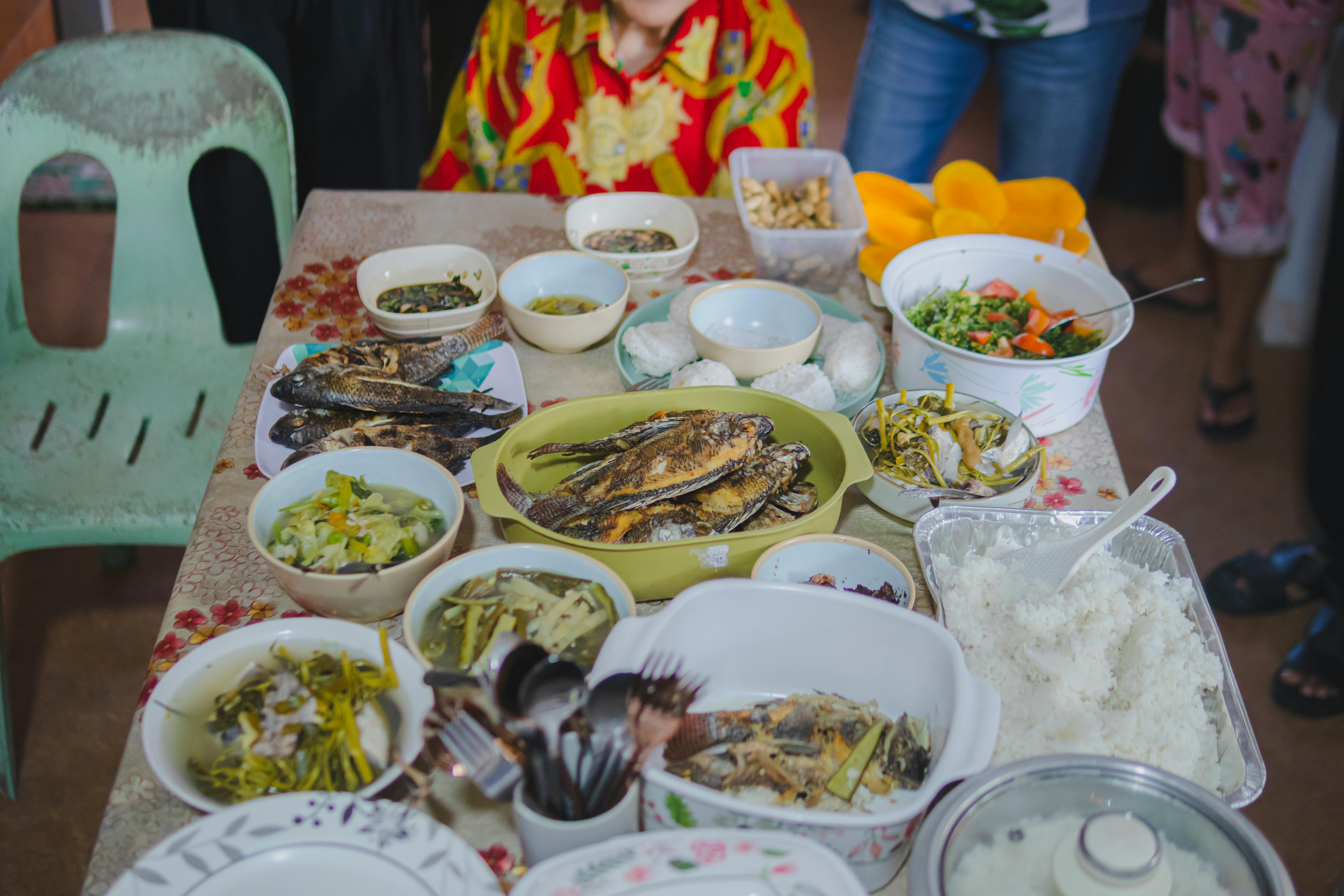


As we step into 2026, Filipino-American families across the United States are finding innovative ways to honor their heritage while embracing contemporary culinary trends. The holiday season remains a cornerstone of Filipino food culture, but today's celebrations reflect a beautiful fusion of tradition and modernity. From health-conscious adaptations of beloved dishes to Instagram-worthy presentations that capture younger generations' attention, the evolution of holiday meals represents a dynamic preservation of cultural traditions.
This transformation doesn't diminish the sacred nature of Filipino holiday gatherings. Instead, it strengthens intergenerational connections, enabling families to maintain their cultural identity while adapting to modern American lifestyles. The reinvention process involves creative ingredient substitutions, updated cooking techniques, and presentation styles that honor ancestral recipes while meeting contemporary dietary preferences and aesthetic expectations.
Traditional Foundations Meet Modern Innovation
The cornerstone of Filipino holiday celebrations has always been the elaborate spread of dishes that tell stories of family history, regional origins, and cultural pride. Classic preparations like lechon, pancit, lumpia, and bibingka continue to anchor these celebrations, but their execution has evolved significantly in 2026.
Modern Filipino-American cooks are incorporating sustainable ingredients, plant-based alternatives, and health-conscious modifications without sacrificing the authentic flavors that define these cherished recipes. The challenge lies in maintaining the soul of each dish while accommodating dietary restrictions, environmental considerations, and the busy schedules that characterize contemporary American life.
Health-Conscious Adaptations
Today's Filipino families are reimagining traditional holiday meals with nutrition in mind. Lechon, traditionally a whole-roasted-pig centerpiece, is now offered in portion-controlled servings alongside plant-based alternatives that capture the same smoky, savory essence. Air fryer techniques have revolutionized lumpia preparation, reducing oil content while maintaining the crispy texture that makes these spring rolls irresistible.
Pancit preparations now frequently incorporate quinoa, zucchini noodles, or other nutrient-dense alternatives to traditional wheat noodles. These modifications allow families to preserve the symbolic meaning of long noodles as a symbol of long life while addressing modern health consciousness. The key lies in maintaining the traditional flavor profiles through authentic seasonings and cooking techniques, even when the base ingredients evolve.
Fusion Flavors and Cross-Cultural Influences
The multicultural landscape of American communities has inspired Filipino families to embrace cross-cultural fusion in their holiday meals. Korean-Filipino fusion appears in kimchi lumpia variations, while Mexican influences are evident in adobo tacos and sisig quesadillas, which bridge cultural communities through shared celebration experiences.
These fusion creations reflect the reality of modern Filipino-American life, where families often share neighborhoods, schools, and workplaces with diverse communities. The resulting culinary innovations create bridge-building opportunities that strengthen multicultural bonds while maintaining distinct Filipino identity markers.
Technology-Enhanced Cooking Methods
The integration of modern kitchen technology has transformed how Filipino families prepare traditional holiday meals. Smart appliances, precision cooking techniques, and digital recipe sharing have made complex traditional dishes more accessible to younger generations who might have felt intimidated by ancestral cooking methods.
Sous-vide techniques now ensure perfectly tender adobo every time. At the same time, instant-pot adaptations make kare-kare achievable for busy families who previously reserved this labor-intensive dish for special occasions only. These technological adaptations don't replace traditional methods; they offer alternatives that fit contemporary lifestyles while preserving authentic flavors.
Social Media and Presentation Evolution
Instagram-worthy presentations have become integral to modern Filipino holiday meals, with families investing in beautiful serving pieces, artistic plating techniques, and photography-friendly arrangements that showcase their cultural traditions to broader audiences. This visual emphasis has elevated the artistry of Filipino food presentation, encouraging families to take extra pride in their culinary heritage.
The social media influence extends beyond aesthetics, creating communities where Filipino-Americans share recipe modifications, cooking tips, and celebration ideas. These digital connections strengthen cultural bonds across geographical distances, allowing families to maintain traditions even when separated from extended family networks.
Digital Recipe Preservation and Sharing
Recipe digitization projects have become common family activities, with younger generations working alongside elders to document traditional cooking methods, ingredient measurements, and family-specific variations. These efforts ensure that ancestral knowledge transfers successfully while creating opportunities for innovation and adaptation.
Mobile apps designed specifically for Filipino cooking have gained popularity, offering step-by-step guidance for complex traditional dishes while suggesting modern variations. These digital tools make traditional Filipino food more accessible to third- and fourth-generation Filipino Americans who want to connect with their heritage through cooking.
Regional Adaptations Across America
Filipino-American communities across regions have developed distinct approaches to holiday food innovation, shaped by local ingredient availability, climate, and regional American culinary traditions. West Coast families often emphasize fresh, organic ingredients and plant-based options, while Midwest communities might focus on hearty, comfort-food adaptations that suit colder climates.
These regional variations demonstrate the adaptability of Filipino food traditions while highlighting how cultural traditions evolve organically within different American contexts. The diversity of approaches enriches the overall Filipino-American culinary landscape, creating multiple pathways for heritage preservation and innovation.
Seasonal Ingredient Integration
Local seasonal ingredients are increasingly important in Filipino holiday meals, with families incorporating regional American produce into traditional recipes. Fall celebrations might feature butternut squash in ginataang dishes, while summer gatherings showcase local corn in maja blanca preparations.
This seasonal integration reflects a deeper connection to American agricultural cycles while maintaining Filipino flavor principles. The practice also supports local farming communities and reduces environmental impact, aligning traditional celebrations with contemporary sustainability values.
Climate-Adapted Celebrations
Weather considerations have influenced how Filipino families approach holiday celebrations, particularly in regions with extreme seasonal variations. Indoor alternatives to traditional outdoor cooking methods have been developed, and portable, weather-resistant equipment enables families to maintain outdoor cooking traditions regardless of climate conditions.
These adaptations ensure that Filipino comfort food traditions remain accessible across diverse regions of the United States, strengthening community bonds despite environmental challenges.
Generational Bridge-Building Through Food
The reinvention of traditional holiday meals has created unique opportunities for intergenerational connection within Filipino-American families. Younger generations bring technical skills, nutritional knowledge, and contemporary aesthetic sensibilities, while older family members contribute traditional techniques, cultural context, and authentic flavor memories.
Collaborative cooking sessions have become central to many families' holiday preparations, with grandparents teaching traditional methods while learning about modern adaptations from their grandchildren. These exchanges strengthen family bonds and ensure that cultural knowledge is passed effectively across generations.
Teaching Traditional Techniques
Master classes within families have become common, with elder family members formally teaching younger generations the intricate techniques required for traditional Filipino food preparation. These sessions often combine traditional instruction with modern documentation methods, creating comprehensive learning experiences that honor both past and present approaches.
The teaching process has been enhanced by modern tools such as video recording, digital measurement conversion, and online research capabilities, which help younger learners understand the historical and cultural context of traditional recipes. This comprehensive approach creates a deeper appreciation for regional Filipino dishes and their cultural significance.
Innovation Within Tradition
Creative experimentation within traditional frameworks has become a hallmark of modern Filipino holiday meals. Families establish ground rules that preserve essential flavor profiles and cultural significance while allowing ingredient substitutions, presentation modifications, and updates to preparation techniques.
This balanced approach ensures that innovation enhances, rather than replaces, traditional practices, preserving the spiritual and cultural importance of holiday meals while making them more accessible and appealing to contemporary family members.
Community Celebration Evolution
Filipino-American communities have expanded their holiday celebrations beyond individual family gatherings, creating larger community events that showcase the diversity of modern Filipino holiday meals. These gatherings allow families to share their innovations, learn from other families' adaptations, and strengthen broader cultural connections.
Community potluck events featuring reinvented traditional dishes have become popular, creating opportunities for cultural exchange and recipe sharing. These celebrations demonstrate the resilience and adaptability of Filipino-American communities while maintaining strong connections to cultural heritage.
Cultural Education Through Food
Educational components have been integrated into community celebrations, including cooking demonstrations, cultural history presentations, and interactive learning stations that teach both Filipino Americans and members of other communities about the significance of traditional holiday meals and their modern adaptations.
These educational efforts strengthen cultural pride within Filipino communities while building bridges with other cultural groups, creating opportunities for mutual understanding and appreciation through shared food experiences.
Preserving Heritage Through Culinary Innovation
The reinvention of Filipino holiday foods for 2026 celebrations represents a beautiful balance between honoring ancestral traditions and embracing contemporary possibilities. These culinary innovations demonstrate that cultural traditions can evolve and strengthen rather than diminish when approached with respect, creativity, and understanding. Filipino-American families are creating new pathways for heritage preservation that speak to multiple generations while maintaining the essential spirit of traditional holiday meals.
Visit United Tribes today to learn more about Filipino culture and community celebrations that continue to evolve and thrive across America.


