
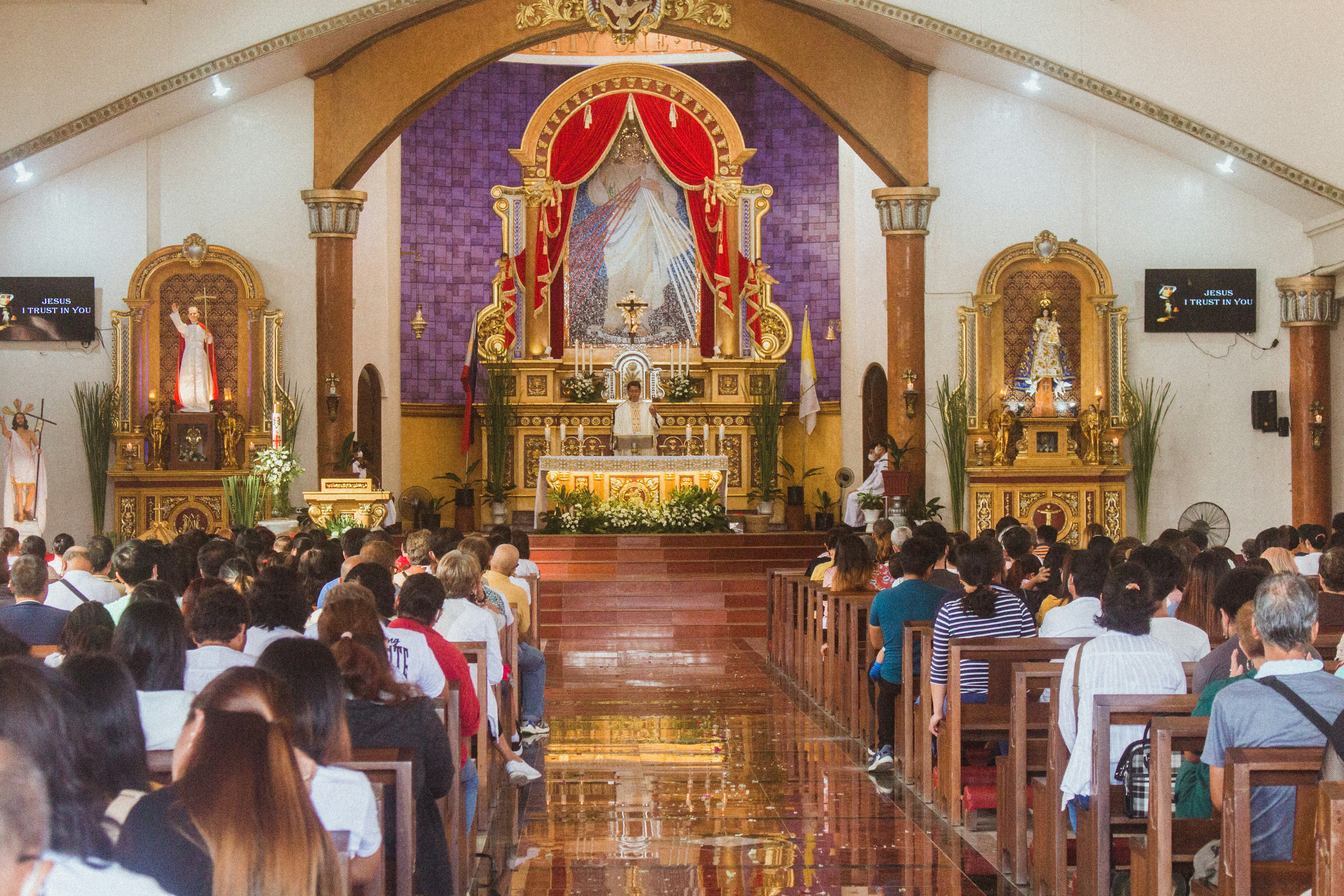


As December arrives, Filipino American communities across the United States prepare for one of the most cherished seasons of their cultural calendar. The period from mid-December through New Year's Day encompasses two deeply meaningful traditions: Simbang Gabi, the nine-day series of dawn masses leading to Christmas, and Media Noche, the elaborate New Year's Eve feast that bridges the old year with new hopes and aspirations. These Filipino Christmas and New Year traditions have found new expression in American soil, adapting to local circumstances while preserving their spiritual and cultural essence.
For Filipino Americans, this season represents the strengthening of community bonds, heritage, and the passing of traditions to younger generations born far from the Philippines. Churches, community centers, and family homes become gathering places where ancient customs meet modern American life, creating a unique tapestry of celebration that honors both homeland traditions and diaspora experiences.
The Sacred Journey of Simbang Gabi in America
Simbang Gabi in the USA has transformed the traditional Filipino dawn masses into vibrant community events that accommodate American schedules and lifestyles. Originally celebrated at 4 AM in the Philippines, many Filipino American parishes now offer Simbang Gabi masses at more accessible evening hours, typically between 6 PM and 8 PM, allowing working families and students to participate fully.
Filipino Catholic churches across major metropolitan areas like Los Angeles, San Francisco, New York, and Chicago coordinate their Simbang Gabi schedules weeks in advance. St. Columban Church in Los Angeles, for instance, begins its nine-day observance on December 16th with specially prepared Filipino hymns, traditional parols (star lanterns), and masses conducted in both Tagalog and English to accommodate different generations of Filipino Americans.
Community Coordination and Parish Participation
The success of these novena masses relies heavily on community organization and parish support. Filipino American organizations work closely with local Catholic churches to ensure proper cultural elements are incorporated into the liturgical celebrations. This includes arranging for Filipino priests or bilingual clergy, organizing traditional music ministries, and coordinating the decoration of churches with authentic Philippine Christmas symbols.
Many parishes extend Simbang Gabi beyond the traditional nine days, offering additional masses and cultural programs that help Filipino Americans connect with their spiritual roots. These extended celebrations often include lectures on Philippine Catholic history, workshops on traditional Christmas crafts, and opportunities for community members to share their own family traditions and memories from the homeland.
Traditional Foods and Community Feasts
The culinary traditions surrounding Simbang Gabi serve as powerful connectors to Philippine heritage. After each evening mass, Filipino American communities often gather for communal meals featuring traditional holiday foods. Churches and community centers organize potluck-style dinners where families contribute dishes that evoke memories of Christmas celebrations in the Philippines.
Popular Simbang Gabi foods include bibingka (rice cake), puto bumbong (purple rice cake), and hot chocolate or salabat (ginger tea). Filipino American families have adapted these recipes using ingredients available in American supermarkets while maintaining the essential flavors and textures that define these holiday treats. Many communities organize cooking workshops where older generations teach younger Filipino Americans how to prepare these traditional Filipino comfort foods that connect them to their cultural heritage.
The communal aspect of these meals strengthens bonds within Filipino American communities and provides opportunities for newer immigrants to integrate into established cultural networks. These gatherings often become informal networking events where business connections are made, cultural organizations recruit new members, and families form lasting friendships based on shared heritage and values.
Media Noche: Welcoming the New Year with Filipino Flair
The Media Noche feast represents the culmination of Filipino American holiday celebrations, combining traditional beliefs about prosperity and good fortune with elaborate family gatherings that can span multiple days. Filipino American families begin planning their Media Noche celebrations weeks in advance, coordinating with extended family members, preparing traditional dishes, and ensuring that all the symbolic foods believed to bring good luck are represented on their tables.
Central to the Media Noche tradition is the belief that specific foods consumed at the stroke of midnight will influence the coming year's fortune. Round fruits symbolize coins and prosperity, sticky rice dishes represent family unity, fish ensure abundance, and noodles promise longevity. Filipino American families often spend New Year's Eve day preparing these symbolic dishes, with multiple generations working together in kitchens filled with the aromas of traditional Philippine cuisine.
Adapting Sacred Symbols for American Celebrations
Filipino New Year traditions in America often incorporate both Philippine customs and American New Year practices. Many Filipino American families watch the Times Square ball drop on television while simultaneously participating in traditional Philippine New Year rituals like making loud noises to drive away evil spirits and jumping at the stroke of midnight to encourage growth in the coming year.
The Media Noche feast itself has evolved to accommodate American dining preferences while maintaining Filipino cultural elements. Traditional dishes like lechon (roasted pig), pancit (noodles), and lumpia are often served alongside American favorites, creating fusion celebrations that reflect the bicultural experiences of Filipino American families. These adapted Filipino celebrations demonstrate the community's ability to preserve cultural identity while embracing American customs.
Regional Variations and Local Church Schedules
Simbang Gabi celebrations vary significantly across different regions, reflecting the diverse composition of Filipino American communities and the availability of Filipino Catholic clergy. West Coast communities, particularly in California, tend to have more traditional celebrations due to larger Filipino populations and established parish relationships with Philippine missionary orders.
East Coast Filipino Americans often coordinate with other Catholic immigrant communities, creating multicultural celebrations that highlight the universal themes of Advent while maintaining distinctly Filipino elements. Churches in New York, New Jersey, and Virginia frequently schedule these masses to avoid conflicts with other ethnic Catholic celebrations, creating a rich tapestry of immigrant religious observances throughout December.
Building Interfaith and Intercultural Connections
Many Filipino American parishes use Simbang Gabi as an opportunity to build bridges with other ethnic Catholic communities and even non-Catholic neighbors. Open-door policies welcome all community members to experience Filipino Christmas traditions, while cultural exchange programs allow Filipino Americans to participate in other immigrant communities' holiday celebrations. These interfaith initiatives strengthen Filipino Americans' integration into broader American communities while maintaining their distinct cultural identity.
Preserving Heritage for Future Generations
The success of these distinctly Filipino holiday traditions in America depends largely on the active participation of younger generations and the adaptation of customs to contemporary American lifestyles. Filipino American families work deliberately to ensure their children understand the cultural significance of both Simbang Gabi and Media Noche traditions, often explaining the historical and spiritual contexts that make these celebrations meaningful.
Educational components have become integral to both celebrations, with community leaders organizing cultural workshops, historical presentations, and storytelling sessions that help Filipino American youth connect with their heritage. These educational efforts often explore regional Filipino traditions that extend beyond the more commonly known national customs, enriching young people's understanding of Philippine cultural diversity.
Community Resilience and Cultural Continuity
The celebration of Simbang Gabi and Media Noche traditions reflects the broader resilience of Filipino American communities in maintaining cultural identity across generations and geographic distances. These traditions serve as anchor points that help Filipino Americans navigate the challenges of preserving heritage while fully participating in American society.
During difficult times, such as natural disasters affecting the Philippines or challenges facing Filipino American communities in the United States, these holiday traditions provide comfort, community support, and renewed connections to cultural strength. Churches and community organizations often use these gatherings to organize charitable efforts, community assistance programs, and cultural preservation initiatives that extend far beyond the holiday season.
The success of these celebrations demonstrates Filipino Americans' commitment to cultural continuity and their ability to create meaningful traditions that honor both their Philippine heritage and their American experiences. As new generations of Filipino Americans grow up participating in these adapted traditions, they carry forward both the spiritual significance and community bonds that define these cherished cultural practices.
Celebrating Heritage Through Sacred Traditions
The enduring popularity of Simbang Gabi and Media Noche celebrations among Filipino Americans demonstrates the powerful role that cultural traditions play in maintaining community identity and spiritual connection across generations. These December-January traditions have successfully adapted to American contexts while preserving their essential meaning and cultural significance, creating bridges between Philippine heritage and American experiences.
Visit United Tribes today and find out more about Filipino culture and community celebrations that bring heritage traditions to life in American settings.


