
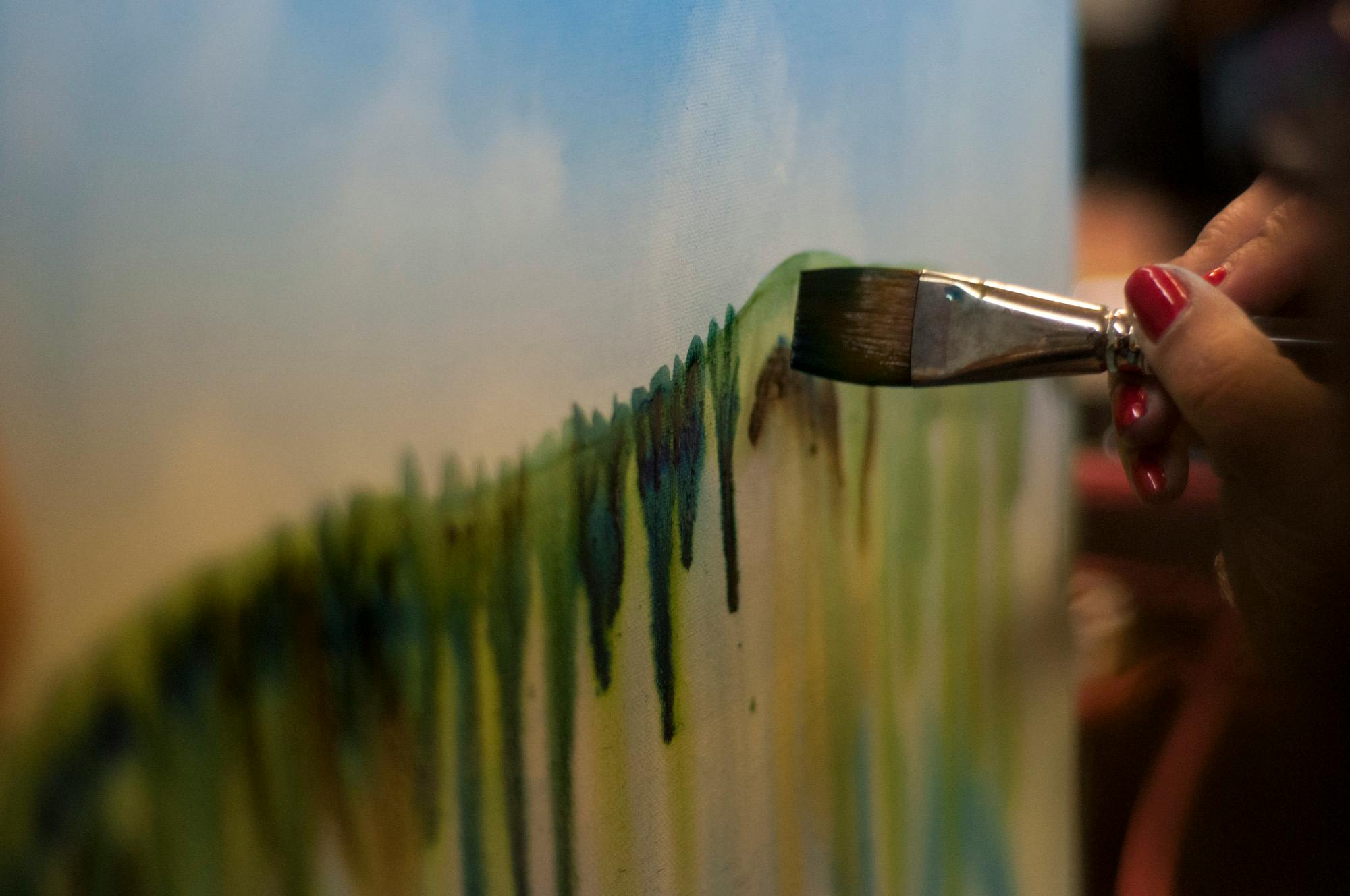

The contemporary art scene across America is witnessing a powerful transformation as Filipino-American creatives step into the spotlight, bringing fresh perspectives and bold expressions of their cultural identity. These artists infuse traditional Filipino elements with modern techniques to create compelling art. From vibrant murals adorning city walls to thought-provoking gallery installations, Filipino artists are making their mark with work that speaks to both their heritage and their American experience.

Welcome to United Tribes
Where Filipino Culture Comes Alive
Join Your Tribe
Connect with your people
Discover Events
Watch parties & festivals
Find Filipino Businesses
Restaurants, markets & more
Earn Crown Credits
Get rewarded for engaging
Visual Artists Breaking Traditional Boundaries
The world of Filipino contemporary art has been revolutionized by visual artists who seamlessly blend traditional motifs with cutting-edge techniques. Artists like Patrick Martinez have gained international recognition for their neon installations that incorporate traditional Filipino imagery with contemporary urban aesthetics. His work often features jeepney-inspired designs and Filipino text, creating pieces that are immediately recognizable to community members while appealing to broader audiences.
Multimedia installations have become a particularly powerful medium for Filipino-American artists to explore themes of diaspora and cultural identity. These artists frequently incorporate materials and symbols from both cultures, like bamboo alongside steel and traditional textiles mixed with modern industrial elements. The resulting pieces create immersive experiences that invite viewers to consider the complexity of living between two cultures.
Gallery spaces across major American cities have begun dedicating more exhibition space to Filipino-American creatives, recognizing both their artistic merit and their commercial appeal. Cities with significant Filipino populations, including Los Angeles, San Francisco, New York, and Chicago, have seen the emergence of Filipino-focused galleries and art collectives that provide platforms for emerging artists while establishing networks for artistic collaboration and mentorship.
Contemporary Sculpture and Mixed Media
Filipino-American sculptors are pushing boundaries by incorporating traditional Filipino materials like capiz shells, abaca fiber, and native woods into contemporary sculptural forms. These artists often explore themes of home and displacement, creating pieces that physically embody the experience of maintaining cultural connections across geographical distances.
The use of found objects and recycled materials in Filipino contemporary sculpture reflects both environmental consciousness and the resourcefulness that characterizes Filipino culture. Artists create powerful statements about sustainability while referencing the traditional Filipino practice of making beautiful, functional items from available materials.
Photography Capturing the Filipino-American Experience
The photography community has witnessed an explosion of Filipino-American photographers who are documenting their community's experiences with unprecedented depth and artistry. These photographers go beyond simple documentation, creating compelling visual narratives that challenge stereotypes and celebrate the diversity within Filipino-American communities.
Portrait photography has become a particularly powerful medium for these artists to explore identity and representation. Photographers like AJ Mattioli and Nicole Constante create intimate portraits that capture the complexity of Filipino-American identity, often featuring subjects in settings that blend Filipino cultural elements with American environments. Their work appears in major publications and galleries, bringing visibility to Filipino-American experiences that have historically been underrepresented in mainstream media.
Documentary photography projects focused on Filipino-American communities have gained critical acclaim for their honest portrayals of immigrant experiences, intergenerational relationships, and cultural preservation efforts. These photographers often spend years embedded within communities, building trust and capturing moments that reveal the authentic experiences of Filipino-Americans across different socioeconomic backgrounds and geographical regions.
Fashion and Commercial Photography
Filipino-American photographers have also made significant inroads into fashion and commercial photography, bringing unique cultural perspectives to mainstream advertising and editorial work. Their success has opened doors for more diverse representation in commercial photography while creating opportunities for Filipino models, stylists, and other creative professionals.
The influence of traditional Filipino aesthetics is evident in the color palettes, compositional styles, and cultural references these photographers incorporate into their commercial work, subtly introducing Filipino visual traditions to broader audiences.
Mural Artists Transforming Urban Landscapes
Public muralism has emerged as one of the most visible platforms for Filipino artists to share their cultural heritage with diverse audiences. These large-scale works transform urban environments while creating opportunities for community engagement and cultural education. Cities across America now feature stunning Filipino-inspired murals that serve as landmarks for Filipino communities while enriching the cultural landscape for all residents.
Community collaboration forms the foundation of many Filipino-American mural projects, with artists working directly with neighborhood residents to ensure their work reflects local Filipino community values and experiences. These collaborative processes often involve community workshops, cultural education components, and ongoing maintenance programs that keep communities engaged with the artwork long after its completion.
The themes explored in Filipino-American murals range from historical commemoration to contemporary social justice issues. Many murals feature iconic Filipino symbols like the Philippine eagle, traditional Filipino patterns, or portraits of Filipino historical figures. In contrast, others address current issues affecting Filipino-American communities, such as healthcare access, immigration policy, or educational opportunities.
Techniques and Cultural Integration
Filipino-American muralists have developed distinctive techniques that incorporate traditional Filipino artistic elements with contemporary mural painting methods. The use of vibrant color palettes inspired by Filipino textiles, the integration of traditional Filipino patterns and motifs, and the inclusion of Tagalog or other Filipino language text create murals that are immediately recognizable to community members while remaining accessible to broader audiences.
Digital Art and Social Media Influence
The digital revolution has provided new platforms for Filipino-American creatives to reach global audiences and connect with other Filipino artists worldwide. Social media platforms have become virtual galleries where Filipino-American digital artists can share their work, build followings, and create communities around shared cultural experiences.
Digital illustration has become particularly popular among younger Filipino-American artists who create work that blends traditional Filipino imagery with contemporary digital aesthetics. These artists often focus on themes of cultural pride, family relationships, and the immigrant experience, creating shareable content that resonates with Filipino-Americans across the country.
The accessibility of digital art tools has democratized artistic expression within the Filipino-American community, allowing artists without formal training or expensive equipment to create professional-quality work. Online tutorials, digital art communities, and affordable software have created opportunities for emerging artists to develop their skills and find audiences for their work.
Cultural Identity and Artistic Expression
The exploration of cultural identity remains central to much Filipino contemporary art created by Filipino-Americans. Artists navigate the complexity of maintaining connections to Filipino culture while fully participating in American society, often creating work that speaks to the universal immigrant experience while remaining specifically rooted in Filipino traditions and values.
Intergenerational dialogue frequently appears as a theme in Filipino-American art, with artists exploring relationships between immigrant parents and American-born children. This work often addresses language barriers, cultural expectations, and the challenge of preserving traditions in new environments. Many pieces celebrate the spirit of Filipino resilience and shared community experiences.
Religious and spiritual themes also play significant roles in contemporary Filipino-American art, reflecting the strong Catholic traditions within many Filipino families and exploring indigenous Filipino spiritual practices and beliefs. Artists often create work that honors both traditions, finding ways to represent the complexity of Filipino spiritual life.
Modern Interpretations of Traditional Arts
Contemporary Filipino-American artists frequently reference traditional Filipino art forms like t'nalak weaving, okir patterns, and bulul sculptures in their modern work. Rather than simply copying these traditional forms, contemporary artists reinterpret them through modern materials and techniques, creating pieces that honor traditional Filipino aesthetics while speaking to contemporary experiences.
The integration of traditional motifs with modern artistic techniques creates work that serves as a form of cultural education for younger Filipino-Americans with limited exposure to traditional Filipino arts. These pieces often spark conversations about cultural preservation and the evolution of artistic traditions in diaspora communities.
Building Community Through Art
Filipino-American artists have created networks and collectives that provide support, mentorship, and opportunities for collaboration for emerging artists. These organizations often sponsor community events, gallery exhibitions, and educational programs that strengthen connections within Filipino-American communities while introducing Filipino culture to broader audiences.
Art festivals and cultural celebrations have become important venues for Filipino-American artists to showcase their work and connect with community members. Filipino celebrations often feature art installations, live mural painting, and opportunities for community members to participate in artistic activities.
Mentorship programs connecting established Filipino-American artists with emerging creatives have become crucial for developing the next generation of artists. These programs provide technical training, professional development, and cultural education that help young artists navigate both the art world and their cultural identity.
The economic impact of Filipino-American artists extends beyond individual success stories to benefit entire communities. Art installations, gallery exhibitions, and cultural events create opportunities for Filipino-owned businesses, generate tourism revenue, and increase property values in neighborhoods where Filipino art is prominently featured.
Celebrating Filipino Artistic Innovation
Filipino-American artists are fundamentally transforming the contemporary art landscape through their bold integration of cultural heritage with modern artistic expression. From the intimate portraits capturing diaspora experiences to the vibrant murals that transform urban neighborhoods, these artists create work that honors their ancestral culture while addressing contemporary American experiences. Their success demonstrates the power of cultural authenticity in art and inspires emerging Filipino creatives across the country.
Visit United Tribes today to learn more about Filipino culture and community, where you can discover local Filipino artists, galleries, and cultural events celebrating the vibrant artistic heritage of Filipino-Americans.


