

In Iranian households, spring marks the beginning of Nowruz preparations, with the kitchen becoming the heart of the cultural celebration. The transition from hearty winter stews to lighter, herb-laden dishes reflects the Persian philosophy of eating in harmony with the seasons. Fresh herbs like parsley, cilantro, dill, and fenugreek take center stage, transforming ordinary meals into aromatic masterpieces that awaken the senses after months of preserved and dried ingredients.
The Herb Garden Revolution in Persian Spring Cooking
Spring in a Persian kitchen begins with sabzi khordan—the traditional herb platter that graces every table during the warmer months. This isn't simply a garnish; it's a fundamental component of Persian dining that showcases the season's best offerings. Fresh mint, basil, tarragon, radishes, and scallions are arranged with the same care as a floral bouquet, ready to complement every bite of the meal.

Welcome to United Tribes
Where Persian Culture Comes Alive
Join Your Tribe
Connect with your people
Discover Events
Watch parties & festivals
Find Persian Businesses
Restaurants, markets & more
Earn Crown Credits
Get rewarded for engaging
The preparation of these herbs requires patience and reverence. Each leaf is carefully washed, dried, and arranged to preserve its essential oils and vibrant color. Persian cooks understand that the quality of their herbs directly impacts the success of their Iranian herb dishes. The morning routine often includes a trip to the local Persian market or a careful tending of the home herb garden, ensuring that only the freshest, most aromatic specimens make it to the table.
Ghormeh sabzi, perhaps the most iconic of all Iranian herb dishes, reaches its peak during the spring months when fresh herbs are at their most potent. The combination of parsley, cilantro, leeks, and fenugreek creates a complex flavor profile that changes subtly with each season's harvest. Spring versions of this beloved stew often feature a brighter, more pronounced herbal note compared to their winter counterparts made with dried or preserved herbs.
The art of balancing these herbs requires generations of knowledge passed down through families. Each Persian household develops its own signature blend ratios, creating variations that reflect regional preferences and family traditions. Some families prefer a more cilantro-forward approach, while others emphasize the earthy notes of fenugreek or the brightness of fresh dill.
Rice Dishes That Celebrate Spring's Abundance
Persian rice meals undergo a dramatic transformation when spring arrives, moving from simple, comforting preparations to elaborate, herb-infused creations that showcase the season's bounty. The foundation remains the same—perfectly cooked, fluffy basmati rice—but the additions and accompaniments reflect spring's generous offerings.
Baghali polo emerges as the quintessential spring rice dish, combining tender basmati rice with fresh lima beans and an abundance of dill. The preparation requires careful timing to ensure that the lima beans maintain their vibrant green color while achieving the perfect tenderness. Fresh dill is folded into the rice just before serving, releasing its distinctive aroma and adding visual appeal with its feathery green texture.
Polos That Define Spring Dining
Lubia polo showcases green beans at their peak freshness, combined with aromatic rice and often accompanied by tender pieces of lamb or beef. The green beans are typically cut into uniform pieces and briefly sautéed with onions and tomatoes before being layered with the rice. This creates a dish where each grain of rice is infused with the essence of fresh vegetables and herbs.
Adas polo features lentils and rice combined with fresh herbs, creating a protein-rich meal that satisfies without being heavy. The spring version often incorporates fresh mint and parsley, adding brightness to the earthy lentils. The contrast between the nutty lentils and fragrant herbs creates a complex flavor profile that exemplifies Persian cooking principles.
The technique for achieving perfect tahdig—the coveted crispy rice crust—becomes even more crucial during spring when lighter dishes require this textural contrast. The golden, crispy bottom layer provides a satisfying crunch that complements the delicate herbs and fresh vegetables layered above it. Mastering Persian tahdig techniques ensures that these seasonal rice dishes achieve their full potential.
Fresh Yogurt and Cooling Spring Preparations
As temperatures begin to rise, Persian kitchens turn to yogurt-based dishes that provide cooling relief while incorporating spring's fresh ingredients. Mast-o khiar transforms from a simple cucumber yogurt into a complex dish featuring fresh mint, dill, and sometimes rose petals for an extra touch of spring elegance.
The quality of yogurt becomes paramount during spring cooking. Many Persian families prefer thick, Greek-style yogurt or even make their own to achieve the desired consistency and tanginess. The yogurt serves as a canvas for spring herbs, allowing their flavors to shine while providing a cooling counterpoint to more intense dishes.
Kashk-e bademjan receives a spring makeover with fresh herbs and early-spring vegetables. The traditional eggplant and whey preparation becomes lighter and more vibrant when garnished with fresh mint and parsley, and finished with a drizzle of herb oil. This transformation reflects the Persian approach to seasonal adaptation—taking beloved recipes and enhancing them with the best ingredients each season offers.
Borani dishes multiply during spring, featuring spinach, eggplant, and other seasonal vegetables combined with yogurt and fresh herbs. These preparations serve as both sides and appetizers, providing cooling relief while delivering concentrated flavors. The preparation often involves layering cooked vegetables with seasoned yogurt, creating beautiful presentations that reflect spring's renewal and growth.
Balancing Flavors in Seasonal Persian Cuisine
The concept of balance lies at the heart of seasonal Persian cuisine, with spring offerings designed to provide harmony between hot and cold, wet and dry elements according to traditional Persian medicine principles. Fresh herbs provide cooling properties that counteract the warming spices used in heartier dishes, creating meals that support the body's transition from winter to summer.
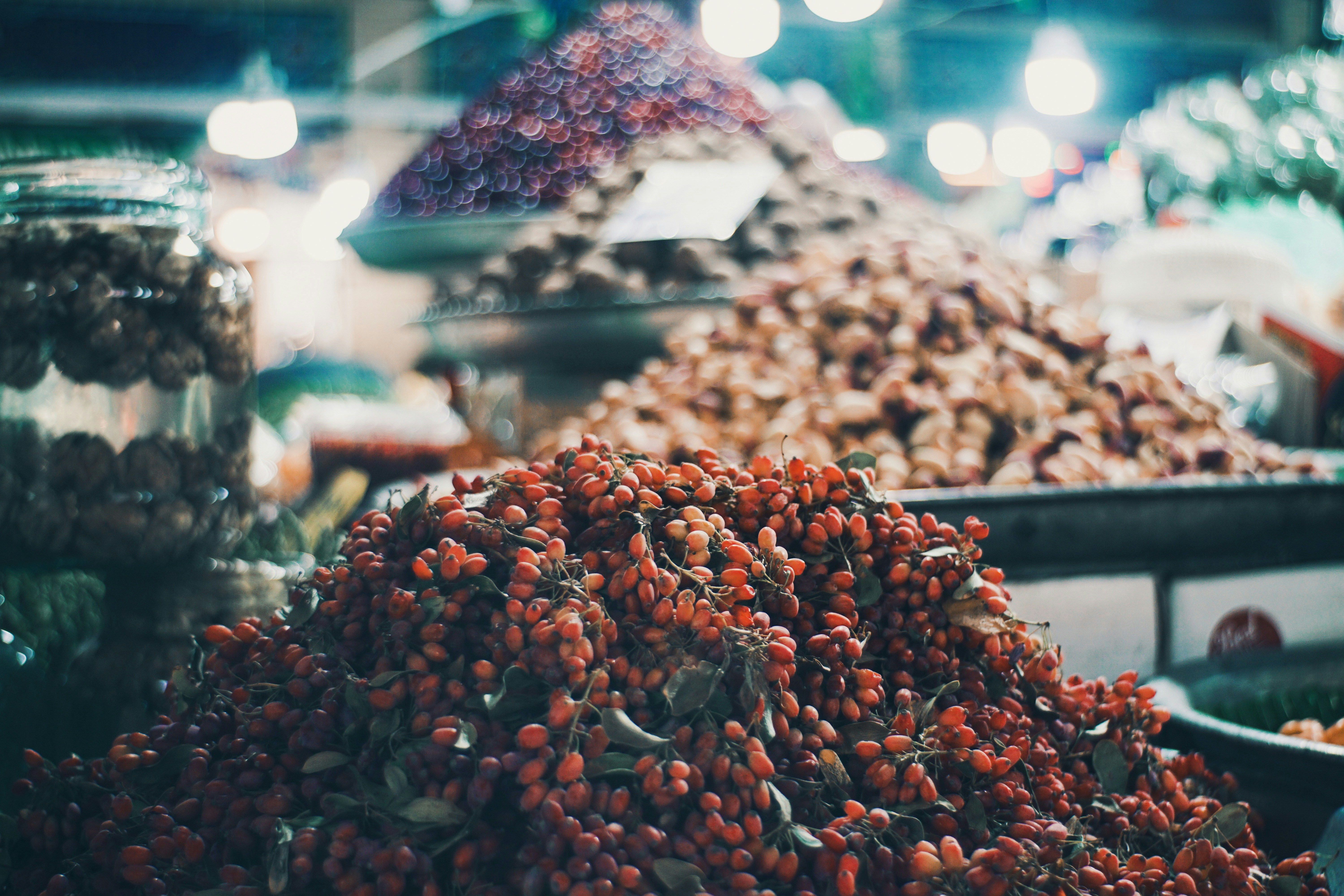
Zereshk polo exemplifies this balance, combining tart barberries with fragrant rice and often served with chicken or lamb. The spring version might include fresh herbs mixed into the rice or served alongside fresh sabzi khordan to provide cooling elements. The contrast between the tart, jewel-like barberries and the mild rice creates a perfect balance of flavors that represents Persian cooking at its finest.
Pomegranate products—both fresh seeds and concentrated molasses—feature prominently in spring dishes, providing acidity that brightens heavier preparations. Fesenjan, served in spring, often incorporates fresh pomegranate seeds for added texture and a burst of flavor that complements the rich walnut-and-pomegranate sauce.
The layering of flavors in Persian spring cooking reflects centuries of culinary evolution and cultural exchange. Each dish tells a story of seasonal adaptation, family tradition, and the Persian understanding of how food should nourish both body and spirit. This philosophy becomes particularly evident during Nowruz celebrations, when spring dishes take center stage as the new year is welcomed.
Preserving Tradition in Modern Persian Kitchens
Contemporary Persian cooks face the challenge of maintaining traditional Iranian herb dishes while adapting to modern lifestyles and ingredient availability. Spring offers the perfect opportunity to reconnect with ancestral practices, as fresh herbs become more readily available and affordable in most markets.
The ritual of preparing spring meals serves as a connection to Persian cultural roots, allowing families to pass down not just recipes but the stories and traditions that accompany them. Young Persian-Americans often find themselves drawn back to the kitchen during spring, eager to learn the techniques their grandmothers perfected over decades.
Urban Persian communities have created networks for sourcing authentic ingredients, with specialty markets stocking fresh fenugreek, Persian cucumbers, and other essential items that might not be available in mainstream grocery stores. These connections help maintain the authenticity of spring dishes while building community bonds among diaspora families.
The timing of spring preparation becomes a family event, with multiple generations working together to clean herbs, prepare rice, and share stories about springs past. This collaborative approach ensures that traditional knowledge is passed down naturally while creating new memories around beloved seasonal dishes.
Embracing Spring's Persian Culinary Heritage
Understanding the principles behind Persian spring cooking allows modern families to maintain their cultural heritage while adapting to contemporary lifestyles. Whether you're perfecting traditional Iranian herb dishes or exploring new ways to incorporate fresh spring ingredients into your meals, these time-tested approaches offer both delicious results and meaningful connections to Persian culinary wisdom.
The recipes and techniques that define spring in Persian kitchens serve as a bridge between past and present, connecting diaspora communities to their roots while creating new traditions for future generations. Visit United Tribes today to learn more about Persian culture and community, where these culinary traditions continue to flourish and evolve.
Make United Tribes Your Preferred Source
Add United Tribes on Google to get the latest stories, cultural updates, and community events directly in your Google Search and Top Stories.


