
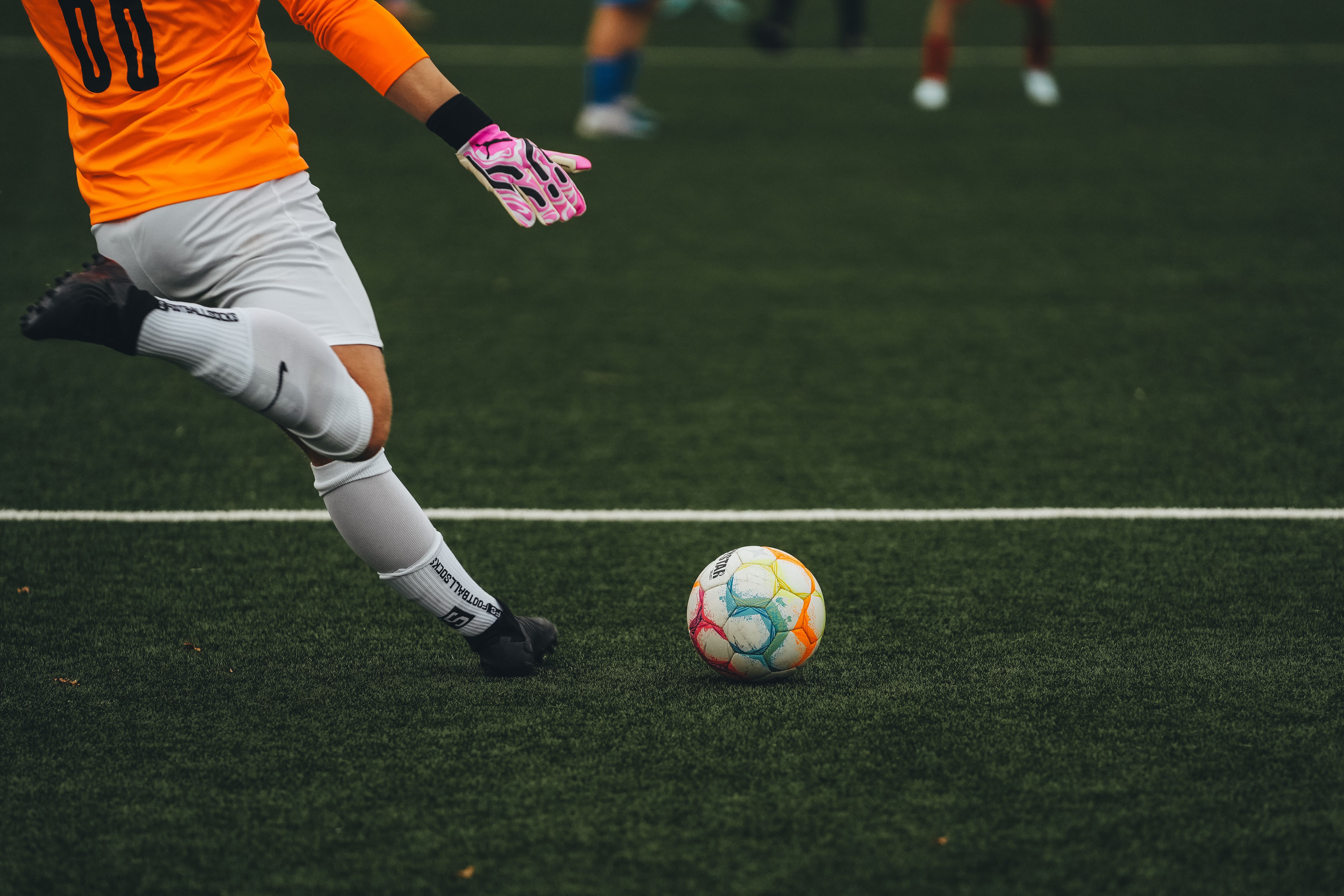


When FIFA 2026 brought the world's most celebrated tournament to North American soil, Spanish communities across the United States watched and lived the games. From Boston to Los Angeles, neighborhoods with deep Spanish roots transformed local tapas bars, cultural centers, and community halls into vibrant gathering spaces. The tournament wasn't merely a sporting event for Spain's diaspora; it became a seasonal celebration of identity, food, language, and belonging. Spanish culture FIFA 2026 created a moment unlike any other for Spaniards living far from home.
La Roja's Journey and the Emotional Weight It Carried
For Spanish fans in America, cheering on La Roja, Spain's national football team, carries a layered emotional charge that goes beyond athletic competition. It connects Basque grandparents to their grandchildren born in Chicago. It gives Andalusian immigrants in Miami a reason to call cousins back in Seville at midnight. During FIFA 2026, every Spain match became a communal ritual, with the Spanish community gathering hours before kickoff to set tables, pour wine, and argue passionately about formations and lineups.
This emotional investment reflects something deeper than sport. Spain's football culture is inseparable from its regional identities, namely the Catalan pride, Galician tradition, and the Castilian spirit, and the diaspora carries all of these threads to American cities, where they are woven into something new.
Tapas Spreads and the Food Traditions That Defined Match Day
No watch party in a Spanish household or Spanish-owned restaurant was complete without the food. Match-day food traditions rooted in Spain's distinct culinary culture took center stage throughout the tournament. Platters of jamón ibérico, pan con tomate, patatas bravas, gambas al ajillo, and tortilla española filled the tables long before the opening whistle.
Unlike general "Hispanic" food culture, Spanish cuisine carries its own regional specificity:
- Catalan: Pa amb tomàquet and escalivada
- Basque: Pintxos on skewers, txakoli wine
- Andalusian: Salmorejo, fried pescaíto, manzanilla sherry
- Castilian: Cochinillo, roasted lamb, hearty stews
Spanish restaurants and tapas bars across the U.S. reported record foot traffic during FIFA 2026 match days. Many hosted specially curated menus that honored regional Spanish cooking rather than defaulting to generic Mediterranean fare, a meaningful distinction for Spanish-Americans who take pride in that specificity.
Local Spanish Businesses That Stepped Into the Spotlight
The Spanish community rallied around locally owned businesses as cultural anchors for FIFA 2026 celebrations. Spanish delis, wine importers, and tapas restaurants organized viewing events that doubled as cultural experiences. Business owners decorated their spaces with Spanish flags, regional banners, and signage in Castilian Spanish.
In cities like New York, Miami, and San Francisco, where established Spanish communities have deep roots, restaurant owners described the World Cup as their most community-connected season in years. Some hosted pre-match flamenco performances. Others partnered with Spanish wine importers to offer Rioja and Albariño pairings alongside their match menus.
These businesses weren't just capitalizing on tournament buzz. They were serving a real cultural need: giving Spaniards and Spanish-heritage Americans a place to gather, speak their language, and feel seen. Just as the Spanish language continues to hold deep significance for heritage communities in the U.S., Spanish-owned businesses serve as living extensions of that linguistic and cultural identity.
Watch Parties as Community Architecture
The watch party phenomenon during FIFA 2026 revealed something important about how the Spanish community self-organizes. These weren't passive viewing events. They were structured community experiences with hosts, food assignments, singing, chanting, and post-match analysis that sometimes ran longer than the match itself.
Spanish cultural associations and community centers played a major role. Organizations with ties to specific Spanish regions, Galician societies, Basque cultural centers, and the Catalan community groups hosted their own events, sometimes in friendly rivalry with one another. The tournament's FIFA cultural impact gave these often-quiet organizations a high-visibility moment to welcome new members and reconnect with lapsed participants.
Community members who had never attended a cultural association event found themselves walking through those doors for the first time because of football. Many stayed.
Digital Community and the Online Extension of Match Day
The FIFA 2026 experience wasn't confined to physical spaces. Spanish diaspora communities built active digital gathering spaces on social media throughout the tournament. WhatsApp groups exploded with match commentary. Instagram Reels captured living room celebrations, restaurant reactions, and street-side viewing moments.
Platforms like United Tribes that support multicultural community visibility play a vital role in connecting these digital and physical spaces, helping Spanish businesses and cultural events reach community members who may not yet know what's available in their city.
Regional Identity Within the Spanish Fan Experience
One of the most fascinating dimensions of the Spanish World Cup fans' experience in America is the way regional Spanish identities surface during major tournaments. The Spanish diaspora is not monolithic. Basques, Catalans, Galicians, Andalusians, and Castilians each carry distinct cultural pride, and FIFA 2026 became an occasion for that diversity to show up loudly and joyfully.
Football, Food, and Spanish Pride
FIFA 2026 was a season of cultural reclamation. Through tapas spreads, regional watch parties, Spanish-owned businesses, and digital community building, Spaniards across the U.S. used football as a vehicle to express who they are and where they come from. The cultural impact of the FIFA World Cup extended far beyond the pitch, deepening community bonds that will outlast the final whistle.
For Spanish-Americans, moments like these reinforce why cultural infrastructure, the restaurants, the associations, the shared language, and the food matter so much in daily life abroad. Football gave the community a reason to gather, but it was Spanish identity that gave those gatherings their depth and staying power.
Visit United Tribes today to learn more about Spanish culture and community. Find local businesses, upcoming cultural events, and stories that celebrate what it means to carry Spain's rich heritage into American life.


