
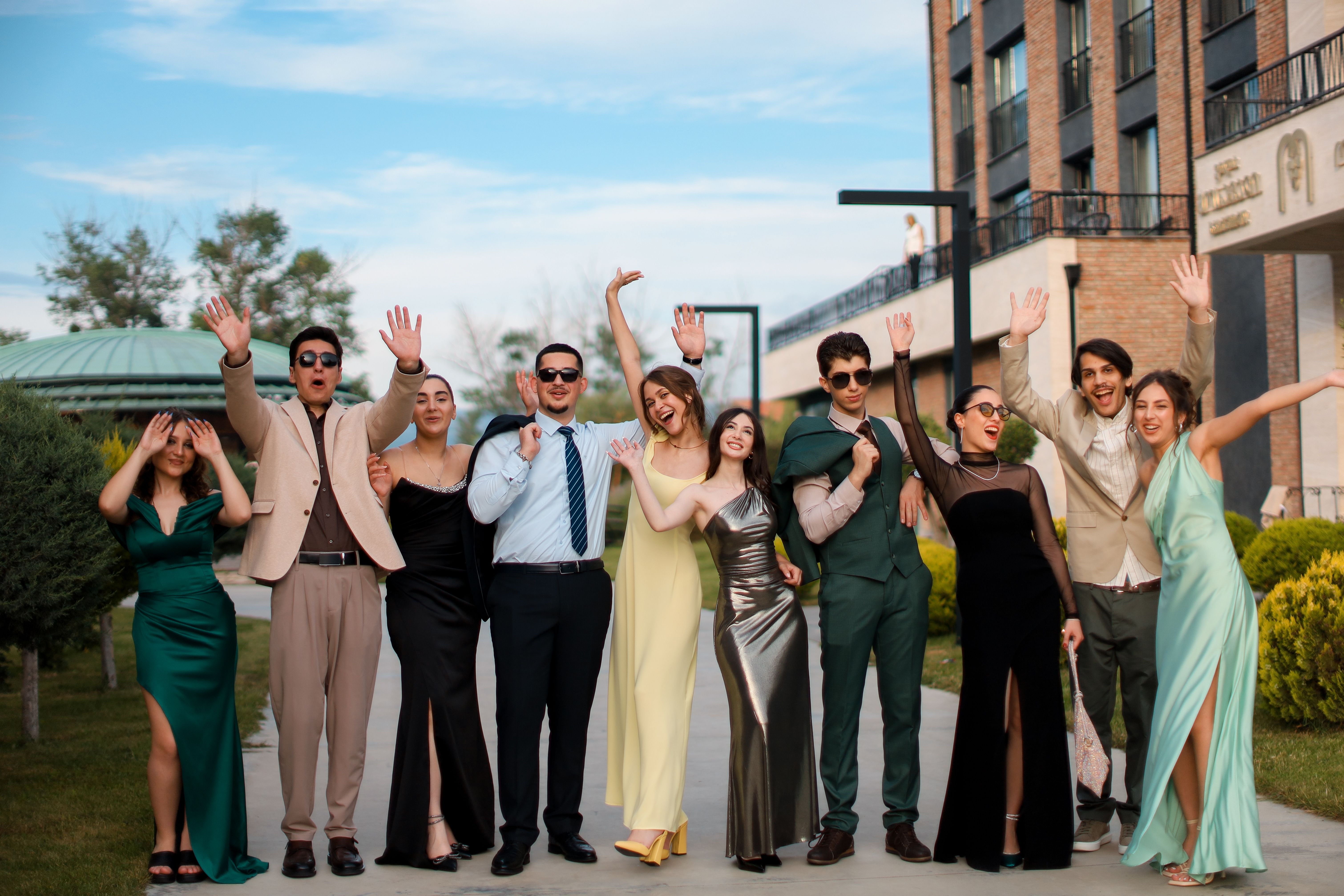

Every autumn, something shifts across American campuses. Banners go up. Mums get pinned to lapels in Texas. Marching bands practice late into the evening. Homecoming season has arrived — and with it comes one of the most distinctly American fall traditions, a ritual woven into the school calendar as reliably as the leaves changing color. For millions of students, alums, and families, homecoming season is a week-long celebration of identity, community, and belonging that has shaped American school culture for well over a century.
The Origins of an American Ritual
Homecoming traces its roots to the early twentieth century, when universities began inviting alums back to campus for a special football game. The University of Missouri and the University of Illinois both claim early versions of the tradition, with organized homecoming events dating back to around 1910 to 1911. The idea was straightforward: give former students a reason to return, reconnect, and reinvest emotionally — and financially — in their alma mater.

Welcome to United Tribes
Where American Culture Comes Alive
Join Your Tribe
Connect with your people
Discover Events
Watch parties & festivals
Find American Businesses
Restaurants, markets & more
Earn Crown Credits
Get rewarded for engaging
What began as a collegiate event gradually filtered down to high schools across the country. By mid-century, American homecoming had become a fixture of the high school calendar, particularly in the Midwest and South, where it merged seamlessly with the cultural significance already attached to autumn football. The tradition evolved differently by region, school size, and community values, which is part of what makes it so distinctly American.
Spirit Week and the Build-Up to the Big Game
Modern homecoming rarely arrives without a full week of anticipation. Spirit week typically precedes the homecoming game, filling the school with themed dress days, friendly class competitions, and hallway decorating contests. Students might come dressed as their favorite decade one day and in school colors the next. These rituals build collective energy and give the entire student body a sense of shared investment, whether or not they attend the game itself.
Pep rallies are a cornerstone of this build-up. Gymnasiums fill with students, cheerleaders perform, and the marching band runs through fight songs while coaches and student leaders deliver speeches designed to ignite school pride. For many students, the pep rally is their most visceral memory of homecoming tradition — loud, chaotic, and genuinely thrilling.
The Homecoming Parade
Not every school hosts a parade, but where they exist, they are beloved. Homecoming parades wind through town streets or along school grounds, featuring floats built by each class or student organization, the marching band in full uniform, and the homecoming court riding in decorated cars or convertibles. In smaller towns, the parade can feel as much like a community event as a school one, drawing families and locals who line the streets to wave and cheer.
This public dimension of homecoming season matters. It extends the celebration beyond campus walls and makes the school's identity visible to the entire surrounding community. It is one way American school traditions anchor themselves in local geography and civic life — a theme explored thoughtfully in this look at local American celebrations that define communities.
The Homecoming Court
Few elements of homecoming carry more social weight than the homecoming court. Traditionally, students vote for a king and queen from the senior class, though many schools have modernized this to include gender-neutral titles or broader court compositions. The court is announced during the week and crowned at halftime of the football game, a ceremony that transforms the stadium into something closer to a community stage.
The homecoming court has always reflected something about a school's social landscape, and its evolution over the decades mirrors broader shifts in American fall traditions. Many schools now work to make the court more inclusive—representing a wider range of backgrounds, identities, and student experiences. This quiet transformation is part of how homecoming adapts without losing its core purpose: honoring students who represent the school community.
Football, Alumni, and the Heart of Homecoming
At its center, homecoming remains tied to football. The homecoming tradition of a designated home game for alums gives the event its name and its emotional anchor. Former students return to see how the campus has changed, reconnect with old friends, and feel, at least briefly, that they belong again. Tailgate gatherings fill parking lots before kickoff. The stands hold more than the usual crowd. Homecoming games have a particular energy that even non-football fans often describe as electric.
At the college level, homecoming weekends can draw tens of thousands of alums and generate significant economic activity for surrounding towns. At the high school level, it is often the best-attended game of the season. This consistent pull speaks to something deep in the American homecoming experience — the desire to return, be welcomed back, and celebrate shared history.
Regional Flavors of Homecoming
Homecoming season looks different depending on where you are. In Texas, elaborate mums — corsages that can grow into enormous floral constructions worn on the chest — are a cultural institution unto themselves. In the South, homecoming at historically Black colleges and universities (HBCUs) carries particular cultural resonance, with legendary halftime shows that have influenced American music and performance culture far beyond campus boundaries.
These regional and cultural variations remind us that American traditions are never monolithic. As the conversation around evolving American traditions continues to grow, homecoming remains a space where local character still reigns—shaped by geography, history, and the specific communities that practice it. As immigrant communities continue shaping American culture, their participation in and influence on school traditions like homecoming further enrich what these rituals mean nationally.
Homecoming's Place in American Life
Homecoming season endures because it does something few traditions manage so consistently: it brings people together across generations, tying the present student body to everyone who walked the same halls before them. From spirit week chaos to the halftime crowning ceremony, each element of American homecoming serves the same underlying function: creating a shared story a community can return to, year after year. It is a ritual that grows with the culture around it while remaining recognizably itself.
For a tradition rooted in football schedules and school calendars, homecoming carries surprising emotional depth. It is where school pride becomes tangible, where alums feel the pull of memory, and where students experience, for the first time, what it means to belong to something larger than themselves.
Head to United Tribes to explore how communities across America — from long-established towns to newly rooted diaspora neighborhoods — are celebrating, preserving, and reinventing the traditions that define them each fall.
Make United Tribes Your Preferred Source
Add United Tribes on Google to get the latest stories, cultural updates, and community events directly in your Google Search and Top Stories.