
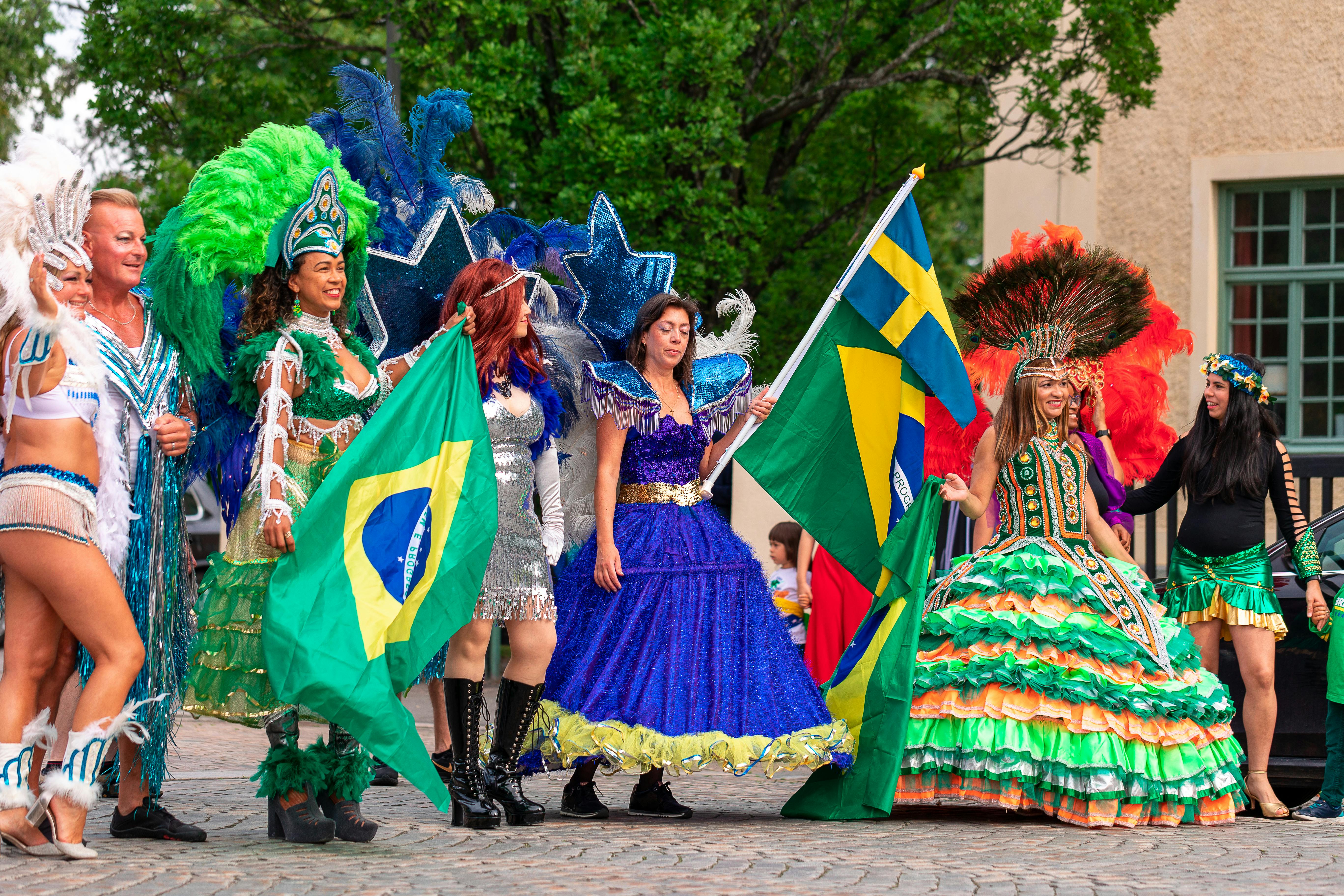


In Brazil, a football match is never just a game. From the moment a match kicks off, streets fill with color, drumbeats echo through neighborhoods, and the collective energy of an entire nation shifts into something electric. Brazilian soccer culture celebration is unlike anything else in the world. It is ritual, identity, and community woven into ninety minutes of play. Whether Brazil is competing in the World Cup or a local club rivalry, Brazilian fans transform the experience into something that feels less like a sporting event and more like a cultural festival.
The Deep Roots of Football in Brazilian Identity
Football arrived in Brazil in the late 19th century and was quickly adopted across all social classes and regions. By the mid-20th century, it had become the country's most powerful cultural language. Futebol is a shared emotional vocabulary, a way of expressing joy, grief, pride, and belonging simultaneously.
Brazilian football traditions are built on generations of passed-down rituals. Grandparents teach grandchildren which club to support. Families paint their homes in team colors. Neighborhoods compete not just on the pitch but in how loudly and creatively they celebrate their side. This cultural inheritance gives every match a weight that extends far beyond the final scoreline.
Favelas, Streets, and Living Rooms: Where Celebrations Begin
The transformation from match to festival happens at every level of Brazilian society. In favela communities across Rio de Janeiro and São Paulo, residents gather around communal screens, transforming open spaces into outdoor theaters. Makeshift stages appear, speakers amplify samba rhythms, and food vendors set up grills before the first whistle even blows.
In more affluent neighborhoods, botecos — casual Brazilian bars — become the nerve centers of celebration. Walls draped in green and gold, cold caipirinhas flowing, and crowds spilling onto the sidewalks create a festival atmosphere that builds from pre-match anticipation through post-match euphoria. A Brazilian victory doesn't end when the referee blows the final whistle. It continues for hours, sometimes days.
The Music That Fuels the Fire
No Brazilian football celebration is complete without music. Samba, pagode, and axé are the sonic backbones of match-day culture. Percussion groups known as batucadas set up near stadiums and fan zones, creating spontaneous street performances that blend with chanting crowds.
At Brazil's iconic Maracanã stadium in Rio de Janeiro, organized supporter groups called torcidas organizadas bring choreographed chants, enormous flags, and coordinated drum sections. Brazilian football fans have always understood that sound is as important as spectacle.
Food as a Central Part of the Ritual
Brazilian match-day food culture is rich, regional, and deeply communal. Street vendors offer coxinhas (fried chicken croquettes), pão de queijo (cheese bread), and grilled skewers of meat long before kickoff. In many cities, communities organize collective churrasco — Brazilian barbecue gatherings — that serve as the pre-match ritual.
These food traditions aren't incidental. They are part of how Brazilian communities mark the occasion. Sharing food builds the collective energy required for the festival atmosphere that defines the celebration of Brazilian soccer culture. Cooking together, eating together, and then watching together creates a layered communal experience that turns a 90-minute game into a half-day event.
Carnival Parallels: Football as Moving Festival
It's no coincidence that Brazil's football celebrations share so much DNA with its world-famous Carnival. Both events involve music, costuming, collective joy, and a temporary suspension of everyday life. The Brazilian Carnival offers a powerful window into how deeply Brazilians understand large-scale celebration as a cultural necessity — and football channels that same energy throughout the year.
When Brazil wins a major tournament, spontaneous street parades emerge. People dress in Canarinho yellow jerseys as if they were carnival costumes. Music fills public squares. The line between a football celebration and a cultural festival essentially disappears. For Brazilians, these moments of collective joy serve the same social and spiritual function — they reinforce community bonds and remind everyone of a shared identity.
Diaspora Communities Keeping the Tradition Alive
Brazilian communities across the United States carry these traditions with them. In cities like Miami, New York, Boston, and Los Angeles, Brazilian-owned restaurants and cultural centers become gathering points during major tournaments. Bar owners invest in satellite dishes and large screens specifically to host match-day events that replicate the atmosphere back home.
These diaspora celebrations are vivid, passionate, and rooted in genuine cultural pride. Brazilian football fans' traditions travel across oceans and adapt to new environments without losing their core energy. Community members who may feel distant from Brazil in their daily lives find themselves reconnected in deeply meaningful ways on match days.
Why the World Is Paying Attention
Global audiences have begun to recognize what makes Brazilian football celebrations distinct. It isn't just passion — it's cultural sophistication. The integration of music, food, fashion, and communal ritual transforms every match into something greater than competition. Brazil doesn't just play football; it performs it, celebrates it, and builds community around it in ways that other football cultures rarely match.
Football, Culture, and Community United
Brazilian football celebrations are among the world's most compelling examples of sport as a form of s cultural expression. From the drumbeats outside the Maracanã to diaspora communities gathering in American cities, Brazil's celebration of soccer culture is a living tradition that reinforces identity, builds belonging, and transforms a sporting result into a shared human experience. The rituals, the food, the music, all of it combine to remind participants of where they come from and who they are together.
For Brazilian fans living abroad, these match-day gatherings are more than entertainment. They are anchors to cultural memory and expressions of pride in a heritage that thrives even thousands of miles from home.
Visit United Tribes today to learn more about Brazilian culture and community, and discover local events, cultural stories, and businesses that keep these rich traditions alive across the United States.


