
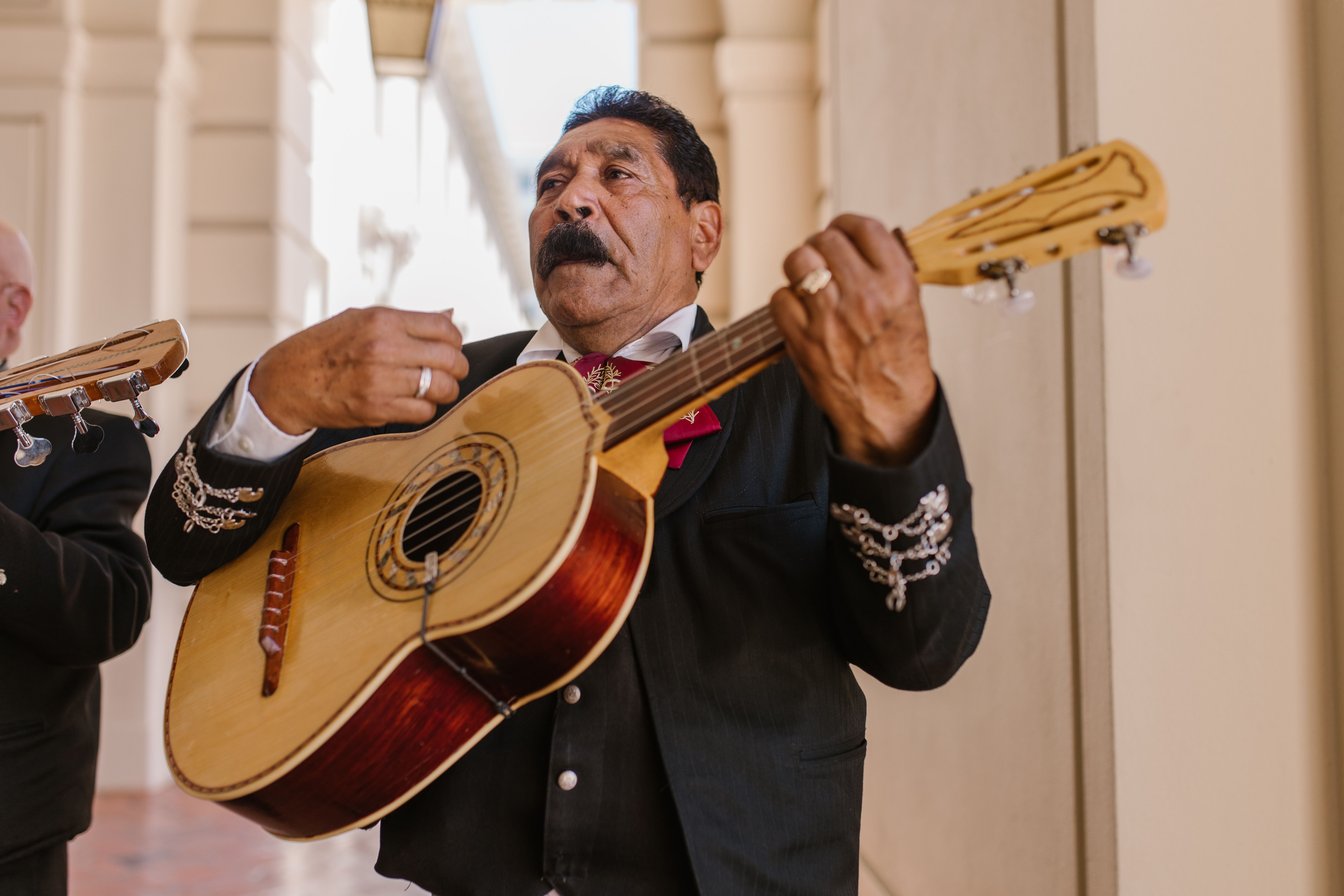

Walk into any Latino household during a birthday, holiday, or Sunday gathering, and you'll almost certainly hear it: music filling every corner of the room. Not background noise, but something alive. Something that makes abuela rise from her chair to dance, and children learn the steps before they learn the words. Latino music is the thread that stitches generations together, carrying memory, identity, and love from one family member to the next.
Music as the Heartbeat of Latino Family Life
In Latino family traditions, music is woven into the fabric of daily life. It accompanies breakfast on a Sunday morning, punctuates the preparation of a big family meal, and transforms an ordinary evening into something worth remembering. Unlike cultures where music is reserved for concerts or special occasions, Hispanic culture treats it as a constant companion: present at quinceañeras, baptisms, graduations, funerals, and everything in between.

Welcome to United Tribes
Where Mexican Culture Comes Alive
Join Your Tribe
Connect with your people
Discover Events
Watch parties & festivals
Find Mexican Businesses
Restaurants, markets & more
Earn Crown Credits
Get rewarded for engaging
For many Latino families, especially those navigating life in the United States as part of a diaspora, music serves as a living archive. Songs carry the names of places left behind, the emotions of immigration, and the pride of cultural survival.
The deep bond between family and cultural expression explored in La Familia Es Todo captures exactly why music holds such power: within Latino households, family is everything, and music is one of the most intimate ways that bond is expressed and renewed.
The Genres That Define Generations
Latin music is a constellation of genres, each carrying its own regional roots and emotional weight. Understanding which genres resonate across different generations reveals how deeply music functions as a cultural inheritance.
- Cumbia originated in Colombia but spread across Latin America and into U.S. Latino communities, becoming a staple at family parties from Texas to California.
- Salsa carries the energy of Caribbean roots and New York City streets, beloved by grandparents and younger generations alike.
- Norteño and corridos narrate stories of struggle, migration, and resilience — deeply meaningful to Mexican-American families.
- Bachata has evolved from its Dominican origins into a genre that younger Latinos have embraced and reimagined.
- Reggaeton represents a newer generational layer — born in Puerto Rico and Panama, now a dominant sound among Latino youth across the U.S.
What's remarkable is how these genres coexist within a single family gathering. A playlist at a Latino birthday party might move from a ranchera to salsa to reggaeton without missing a beat, and somehow, every generation finds their moment on the dance floor.
For anyone building a deeper playlist rooted in Hispanic heritage, popular Hispanic musicians offer a curated starting point across these genres.
Dancing as a Language Between Generations
Music in Latino culture is inseparable from dance. The two form a single tradition, passed down not through instruction manuals but through imitation, participation, and the gentle guidance of an older hand on a younger shoulder.
Grandparents teach grandchildren the basic steps of cumbia or merengue long before formal lessons ever enter the picture. Parents demonstrate how to move to salsa in kitchen spaces too small for it, laughing through the footwork. These exchanges are rhythmic conversations about identity, pride, and belonging.
Dance becomes a form of storytelling, one where the body expresses what words sometimes cannot. For Latino children growing up in the United States, learning these dances is an act of cultural affirmation, a way of saying, "I know where I come from."
Storytelling Through Song
Many Latino music traditions carry explicit narrative traditions. Corridos, for example, are ballads that tell stories of heroes, hardships, migration, and community. They function almost like oral history, preserving events and emotions that might otherwise be lost.
Similarly, mariachi, one of Mexico's most iconic musical traditions, uses song to narrate love, loss, national pride, and family loyalty. The presence of mariachi at celebrations across the U.S. speaks to how powerfully these traditions survive in the diaspora. The rich history behind this genre is examined in depth in The Legacy of Mariachi: Mexican Music Thriving in the U.S., which traces how this tradition has rooted itself into American soil without losing its soul.
For Latino families, songs are also personal time capsules. A specific song might be tied to a grandmother's hometown, a parent's immigration journey, or a couple's first dance at their wedding.
Passing Traditions to the Next Generation
One of the most meaningful roles Latino family traditions play is ensuring that younger generations remain connected to their roots, even as they grow up in a predominantly American cultural environment. Music is one of the most effective bridges between these two worlds.
Many Latino parents make deliberate choices to keep Spanish-language music present in the home. Children who grow up hearing cumbia and boleros alongside pop and hip-hop develop a bilingual cultural fluency that serves them throughout their lives.
Community events, cultural festivals, and school programs also play a role. Across the United States, Latino communities organize performances, dance workshops, and music celebrations that give young people space to engage with Hispanic heritage on their own terms. These gatherings reinforce what happens at home and expand it into something communal.
Music Is the Memory That Stays
From the first notes of a cumbia at a family cookout to the tearful silence after a mariachi ballad at a quinceañera, Latino music does something no photograph or story quite can — it makes the past present. It allows a grandmother born in Oaxaca and a grandchild born in Chicago to share the same moment, the same feeling, the same pride. Across genres, across decades, and across borders, Latin music remains one of the most powerful expressions of Hispanic heritage alive today.
For Latino families in the United States, music is a living practice of culture and tradition. Every song learned, every dance step passed down, every playlist built for a family party is an act of cultural preservation. It says: we are still here, and we carry everything that came before us.
The Latino musicians, dancers, and cultural educators keeping these traditions alive deserve to be seen and celebrated — connect with the community on United Tribes and discover the people and spaces where this cultural heartbeat keeps pulsing.


