
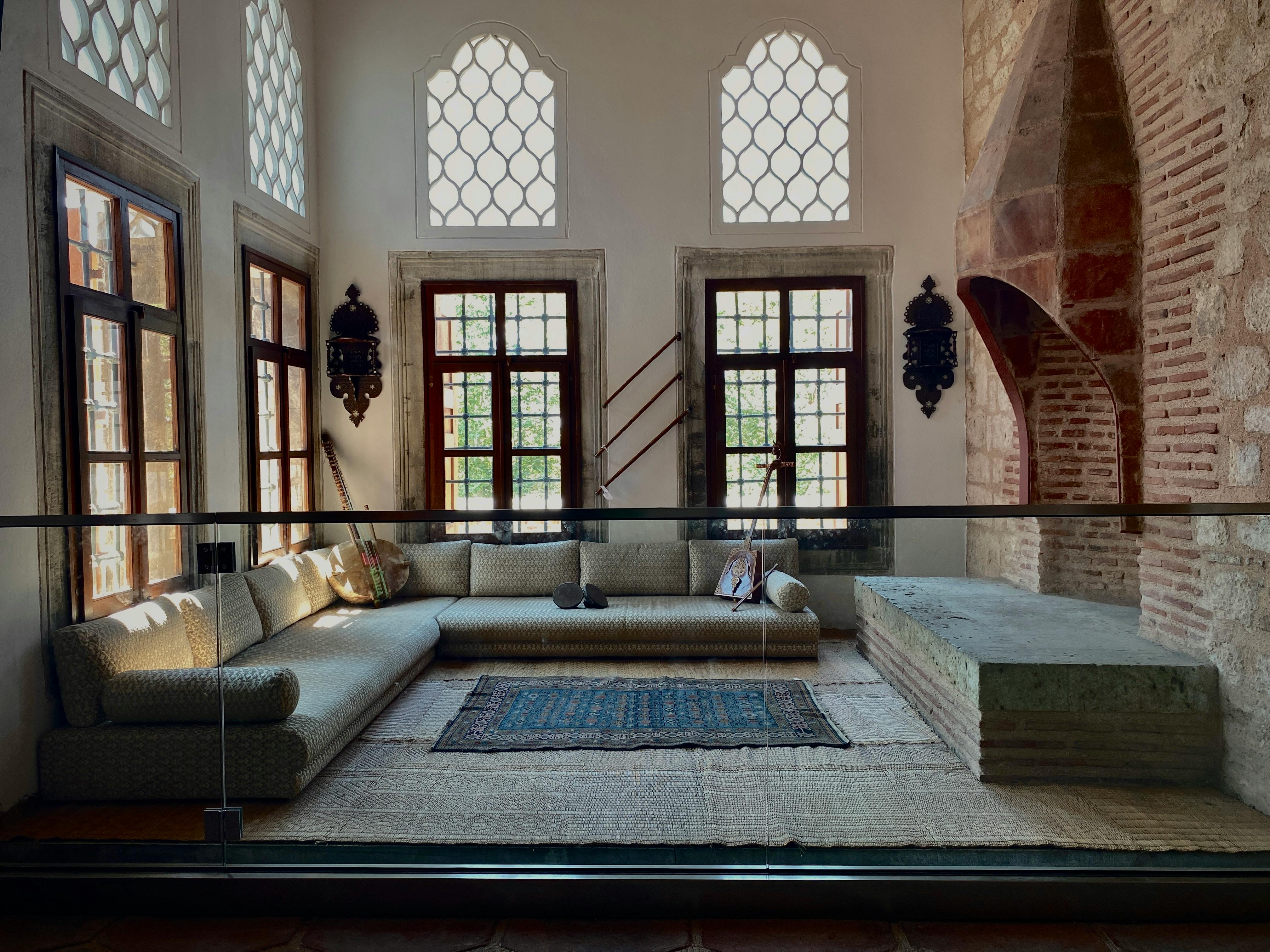


The ancient art of Persian architecture is experiencing a remarkable renaissance in American homes, bringing centuries-old design principles to contemporary living spaces across the United States. This architectural movement reflects a deeper trend of cultural preservation and celebration, in which traditional Persian design elements are thoughtfully integrated into American homes. The result is a unique fusion that honors Iran's rich architectural legacy while meeting the practical needs of modern American lifestyles.
The Foundation of Persian Architectural Principles
Persian architecture has evolved over millennia, developing distinctive characteristics that make it instantly recognizable and timelessly elegant. The fundamental principles of Iranian home design emphasize harmony, symmetry, and the seamless integration of indoor and outdoor spaces.
Gardens as living spaces form the heart of traditional Persian design philosophy. The concept of the Persian garden, or chahar bagh, creates a paradise-like environment that extends the home itself. American homeowners are adopting this principle by designing courtyards, atriums, and garden rooms that blur the boundaries between interior and exterior spaces. These areas often feature water elements, geometric plantings, and covered walkways that provide respite from both summer heat and winter cold.
Geometric patterns and mathematical precision underpin every aspect of Persian architectural design. This mathematical approach to beauty creates spaces that feel both orderly and spiritually uplifting. In American adaptations, these principles manifest through carefully planned room proportions, repeated architectural motifs, and the strategic use of pattern in both structural elements and decorative details.
Light and shadow play represent another cornerstone of Persian design thinking. Traditional Iranian architects masterfully controlled natural light through intricate screens, deep overhangs, and strategically placed openings. Modern American homes incorporating Persian influences often feature elaborate window treatments, decorative screens, and skylights that create dramatic light patterns throughout the day.
Distinctive Persian Elements in American Homes
The most recognizable features of Persian architecture are finding new expression in American residential design, adapted for local building codes and climate conditions, while maintaining their essential character and cultural significance.
Intricate Tilework and Surface Decoration
Persian tilework, known as kashi-kari, is among the most sophisticated ceramic arts in the world. American homes are incorporating this tradition through feature walls, fireplace surrounds, and kitchen backsplashes that showcase the geometric patterns and vibrant colors characteristic of Persian design. Contemporary artisans, many of them Iranian-Americans, are creating custom tilework that honors traditional patterns while incorporating modern manufacturing techniques and materials.
Bathroom transformations often feature Persian-inspired tilework that creates spa-like environments reminiscent of traditional Persian bathhouses. These designs typically incorporate deep blues, turquoise, and gold accents arranged in complex geometric patterns that serve both decorative and practical purposes.
Kitchen applications feature Persian tilework as striking backsplashes that become focal points in family gathering spaces. The durability and beauty of these ceramic installations make them practical choices for high-use areas while adding unmistakable cultural character to American homes.
Arched Doorways and Openings
The pointed arch, or arc-boutant, represents one of the most iconic elements of Persian architecture. These graceful openings create a sense of grandeur while serving practical structural purposes. In American homes, Persian-influenced arches appear as doorway treatments, window designs, and interior passages, adding architectural interest and cultural authenticity.
Entryway design benefits significantly from Persian arch influences, creating impressive first impressions that set the tone for the entire home. These entrances often feature intricate metalwork, decorative tiles, or carved stone details that reference traditional Persian craftsmanship while meeting contemporary security and energy efficiency requirements.
Interior archways serve as elegant transitions between living spaces, replacing standard rectangular doorways with curved openings that create visual flow and architectural drama. Many Iranian-American families choose to incorporate these elements in formal dining areas or family rooms where hospitality traditions like taarof can be properly honored through beautiful surroundings.
Water Features and Garden Integration
Water holds deep symbolic and practical significance in Persian culture, representing life, purity, and divine blessing. American homes incorporating Persian design principles often feature elaborate water elements that serve both aesthetic and functional purposes.
Courtyard fountains create central focal points that provide soothing sounds while cooling the surrounding air through evaporation. These features often incorporate traditional Persian design motifs and are surrounded by carefully planned gardens that reflect the chahar bagh tradition.
Indoor water elements include wall fountains, small pools, or decorative channels that bring the calming presence of water into living spaces. These installations require careful engineering to prevent moisture-related problems while creating unique focal points that distinguish Persian-influenced homes from conventional American designs.
Regional Adaptations and Climate Considerations
The Persian influence in homes across different American regions requires thoughtful adaptation to local climate conditions, building codes, and cultural contexts while maintaining the essential spirit of Iranian design traditions.
Desert Southwest Applications
The American Southwest offers an ideal climate for Persian architectural principles, with hot, dry summers and mild winters that mirror those of many regions of Iran. Cities like Phoenix, Tucson, and Las Vegas have seen growing interest in Persian-influenced residential design that leverages traditional cooling strategies and water-conservation techniques.
Passive cooling systems inspired by Persian badgirs (wind towers) are being adapted for American homes through strategic window placement, thermal-mass walls, and ventilation systems that reduce reliance on mechanical air conditioning. These approaches align with contemporary sustainability goals while honoring traditional Iranian architectural wisdom.
Desert landscaping incorporating Persian garden principles creates beautiful, water-efficient outdoor spaces that provide shade and cooling while requiring minimal irrigation. These designs often feature geometric arrangements of drought-tolerant plants, decorative gravel patterns, and shade structures that reference traditional Persian pavilions.
Coastal and Humid Climate Adaptations
Persian architectural principles require modification in humid climates to prevent moisture-related problems while maintaining their essential aesthetic and functional characteristics. American coastal regions from California to Florida are developing approaches that honor Persian traditions while addressing local environmental challenges.
Ventilation strategies must be enhanced in humid climates to prevent condensation and promote air circulation. This often involves enlarging traditional Persian architectural elements or incorporating modern mechanical systems disguised within traditional design frameworks.
Material selections require careful consideration in humid environments, with traditional stone and ceramic elements often performing better than wood or fabric components that might be vulnerable to moisture damage.
Modern Interpretations and Fusion Approaches
Contemporary American architects and designers are creating innovative interpretations of Persian architectural principles that honor tradition while embracing modern technology, materials, and lifestyle requirements.
Technology Integration
Smart home systems are being seamlessly integrated into Persian-influenced designs through careful planning and concealment strategies that maintain visual authenticity while providing contemporary convenience and security features.
Lighting control systems can recreate the complex light-and-shadow patterns that traditional Persian architects achieved purely through physical means. Programmable LED systems can highlight architectural details, create ambiance for special occasions like Nowruz celebrations, or provide practical illumination for daily activities.
Climate control integration allows Persian-influenced homes to maintain comfortable temperatures while preserving the visual integrity of traditional design elements. Modern HVAC systems can be concealed within traditional architectural features or disguised as decorative elements that complement rather than compromise the overall design aesthetic.
Sustainable Design Principles
Many Persian architectural traditions align naturally with contemporary sustainability goals, creating opportunities for environmentally responsible homes that honor cultural heritage while minimizing environmental impact.
Energy efficiency benefits from traditional Persian approaches to passive solar design, thermal mass utilization, and natural ventilation. Modern materials and construction techniques can enhance these traditional strategies while meeting current building code requirements for insulation and air sealing.
Water conservation draws inspiration from Persian expertise in desert architecture and irrigation design. Contemporary American homes can incorporate traditional Persian water management principles through rainwater collection, greywater recycling, and efficient irrigation systems that maintain beautiful gardens while conserving precious water resources.
Cultural Significance and Community Building
The growing presence of Persian architectural elements in American homes reflects deeper trends in cultural preservation and community building among Iranian Americans.
Multigenerational living benefits from Persian design principles that emphasize flexible, interconnected spaces suitable for extended family gatherings and cultural celebrations. The tradition of mehrbani is beautifully supported by homes designed to welcome and accommodate family and friends in comfortable, culturally appropriate settings.
Cultural education occurs naturally in homes that incorporate Persian design elements, as children and grandchildren grow up surrounded by visual reminders of their heritage. These environments provide daily opportunities for storytelling, cultural explanation, and the transmission of traditional values through lived experience rather than formal instruction.
Community gathering spaces designed according to Persian principles can accommodate traditional celebrations such as Shabe Yalda, where the physical environment enhances the cultural significance of these observances. Homes designed with Persian influences often feature generous entertaining areas, flexible seating arrangements, and outdoor spaces suitable for traditional Persian hospitality customs.
Preserving Heritage Through Design
From intricate tilework that transforms ordinary rooms into jewel-like spaces to graceful arches that add elegance and cultural significance to everyday passages, Persian architectural influences enrich American residential design while preserving ancient traditions for future generations. The careful balance between authenticity and adaptation required for successful Persian-influenced design creates homes that serve as bridges between cultures, demonstrating how Persian cultural identity can flourish within American contexts.
Visit United Tribes today to learn more about Persian culture and community connections that celebrate the rich traditions and modern innovations of Iranian-Americans across the United States.


