
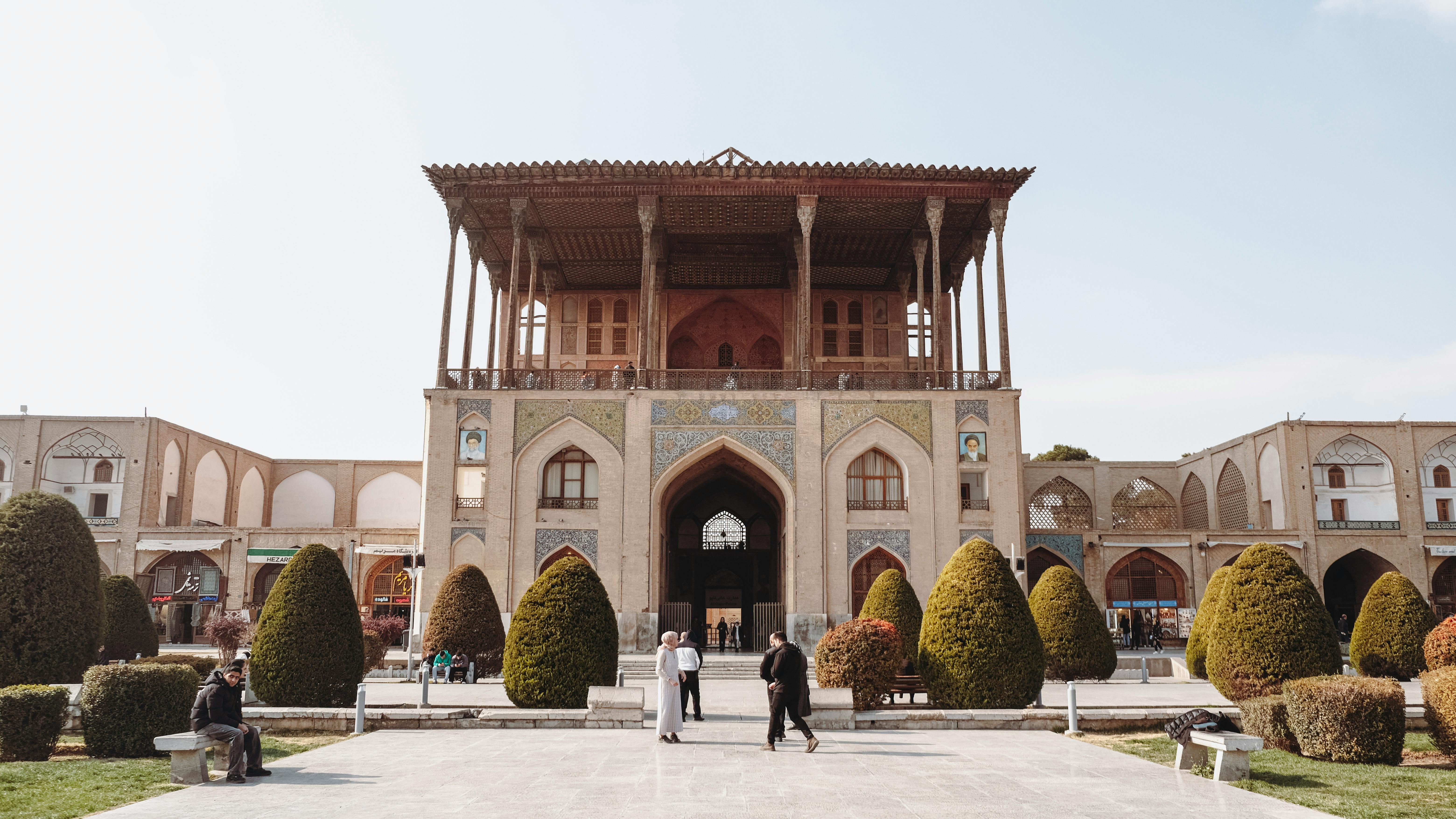

The rich architectural heritage of Persia is finding new expression in American cities, where enthusiasts and designers of Persian architecture are incorporating traditional elements into contemporary buildings. From ornate geometric patterns adorning university libraries to garden courtyards inspired by ancient Persian paradise gardens, Iranian design influence is quietly but powerfully reshaping how we experience urban spaces.
This architectural fusion represents more than aesthetic choice—it reflects the growing Iranian-American community's desire to preserve and celebrate their cultural identity through built environments. As Persian families establish roots in cities from Los Angeles to Washington D.C., their architectural traditions are becoming integral to America's diverse urban fabric.

Welcome to United Tribes
Where Persian Culture Comes Alive
Join Your Tribe
Connect with your people
Discover Events
Watch parties & festivals
Find Persian Businesses
Restaurants, markets & more
Earn Crown Credits
Get rewarded for engaging
Historical Foundations of Persian Architecture
Persian architecture spans more than 3,500 years and is characterized by distinctive elements that have captivated builders and designers worldwide. The fundamental principles include symmetrical layouts, elaborate geometric patterns, pointed arches, and intricate tilework that transforms functional spaces into works of art.
Traditional Persian buildings feature iwans (large rectangular halls open on one side), muqarnas (honeycomb vaulting), and extensive use of calligraphy as decorative elements. These architectural features served both practical and spiritual purposes, creating spaces that promoted contemplation while providing comfort in harsh climates.
The Persian garden concept, known as chahar bagh (four gardens), has particularly influenced American landscape architecture. This design philosophy divides outdoor spaces into four quadrants separated by water channels, symbolizing the four rivers of paradise mentioned in ancient texts. Modern American adaptations of this concept can be found in countless public and private spaces across the country.
Contemporary Persian Buildings
Several remarkable structures across the United States showcase authentic Persian architectural principles adapted for modern use. The Islamic Center of Southern California in Los Angeles features traditional Persian tilework and geometric patterns that serve both the local Iranian community and visitors seeking to understand Persian cultural heritage.
In Washington, D.C., the Freer and Sackler Galleries incorporate Persian-inspired courtyards and decorative elements that complement their extensive collection of Persian art and artifacts. The buildings demonstrate how Iranian design influence can enhance cultural institutions while respecting both traditional aesthetics and contemporary functionality.
Private residences in affluent neighborhoods of cities like Beverly Hills, Potomac, and Great Neck increasingly feature Persian architectural elements, including ornate entrance gates, geometric window screens, and interior courtyards that provide privacy and tranquility reminiscent of traditional Persian homes.
Commercial Applications
Persian-owned businesses often incorporate traditional architectural elements to create authentic cultural experiences. Restaurants feature Persian arches, intricate ceiling work, and traditional color schemes that transport diners to ancient Isfahan or Shiraz while remaining thoroughly American in their accessibility and comfort.
Cultural centers and community spaces designed for Iranian-American gatherings frequently employ traditional Persian proportions and decorative motifs that support the cultural identity and hospitality traditions central to Iranian society.
Modern Adaptations in American Cities
Contemporary architects are finding innovative ways to interpret Persian design principles for modern American construction. Geometric patterns traditionally found in tilework now appear as decorative concrete panels, laser-cut metal screens, and glass installations that filter light in patterns reminiscent of traditional Persian windows.
Climate considerations have led to the development of innovative adaptations of traditional Persian cooling systems. Modern buildings incorporate wind towers, courtyards for natural ventilation, and water features that provide both aesthetic appeal and practical climate control—principles that are particularly valuable in southwestern American cities facing climate challenges similar to those of ancient Persian settlements.
Educational Institutions
Universities with significant Middle Eastern studies programs have embraced Persian architectural influences in their campus designs. These institutions recognize that architectural environments can enhance cultural understanding and provide authentic settings for academic exploration of Persian civilization.
Student centers and libraries featuring Persian-inspired reading alcoves, geometric ceiling patterns, and traditional color palettes create immersive environments that support academic study while honoring the sophisticated design traditions of Persian culture.
Regional Variations and Community Impact
Different American regions have developed distinct approaches to incorporating Persian architectural elements. California's Persian architecture often emphasizes outdoor living spaces and the integration of gardens, reflecting both the state's climate and the preferences of its large Iranian-American population for entertainment and family gatherings.
East Coast interpretations often focus on interior decorative elements and traditional craftsmanship details that can be appreciated year-round, regardless of weather conditions. These buildings feature elaborate entrance halls, decorative plasterwork, and traditional lighting fixtures, creating welcoming spaces for community gatherings.
The Iranian design influence varies significantly depending on local building codes, climate considerations, and community preferences. Still, common elements include an emphasis on geometric harmony, natural materials, and spaces that facilitate social interaction, consistent with Persian cultural values of community and hospitality.
Community Centers and Cultural Spaces
Persian community centers across America serve as focal points for cultural preservation and celebration. These buildings often feature traditional assembly halls, kitchen facilities designed for Persian cooking, and exhibition spaces for displaying Persian art and cultural artifacts.
During important celebrations such as Nowruz, these architectural spaces become vital gathering points where traditional design elements support community cohesion and the transmission of culture to younger generations.
Integration with American Architectural Traditions
The most successful Persian buildings demonstrate thoughtful integration with existing American architectural contexts. Rather than creating isolated cultural enclaves, these structures contribute to neighborhood diversity while maintaining their distinct Persian character.
Mixed-use developments increasingly incorporate Persian-inspired retail spaces, residential courtyards, and public plazas that serve both Iranian Americans and the broader community. This approach reflects the authentic Persian traditions and values that characterize Iranian society.
Adaptive reuse projects have transformed existing American buildings through Persian architectural interventions, creating unique hybrid spaces that honor both architectural traditions. These projects demonstrate how Iranian design influence can revitalize urban areas while preserving historical building stock.
Future Trends and Innovations
Emerging technologies are creating new opportunities to express Persian architectural traditions in American contexts. 3D printing, parametric design software, and advanced materials enable the precise reproduction of traditional geometric patterns and decorative elements at previously impossible scales and costs.
Sustainable design principles align naturally with traditional Persian architecture's emphasis on climate responsiveness, natural ventilation, and water conservation. Modern Persian-inspired buildings increasingly incorporate solar panels, green roofs, and rainwater collection systems that honor both ancient wisdom and contemporary environmental consciousness.
Young Iranian-American architects are developing innovative approaches that honor their heritage while addressing contemporary American lifestyle needs. Their work promises to expand the influence of Persian architecture into new building types and urban contexts.
Preserving Heritage Through Architecture
The growing presence of Persian-inspired architecture across the United States reflects the deep roots that Iranian Americans have established in their adopted homeland. These buildings serve as bridges between cultures, offering all Americans opportunities to experience the beauty and wisdom embedded in Persian architectural traditions. As communities continue to grow and evolve, these structures will remain vital spaces for celebrating cultural identity and sharing the rich heritage that defines Persian civilization.
Visit United Tribes today to learn more about Persian culture and community connections in your area.
Make United Tribes Your Preferred Source
Add United Tribes on Google to get the latest stories, cultural updates, and community events directly in your Google Search and Top Stories.


