
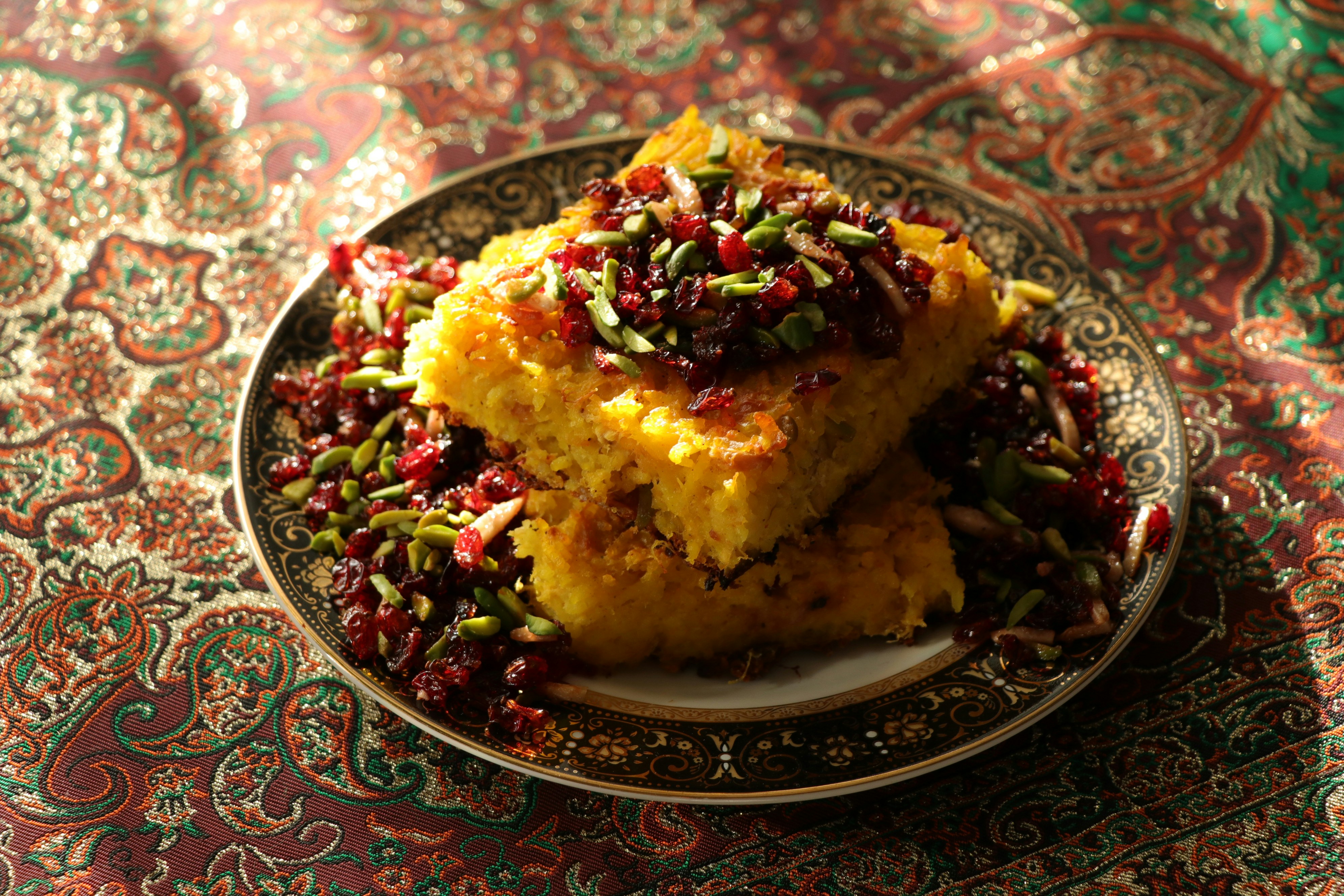

The American culinary landscape is experiencing a remarkable transformation as Persian food enthusiasts discover the rich, complex flavors of Iranian cuisine. From bustling food trucks serving saffron-infused tacos to upscale restaurants incorporating pomegranate molasses into contemporary dishes, Persian-American chefs are creating innovative fusion cuisine that honors their heritage while appealing to diverse American palates.

Welcome to United Tribes
Where Persian Culture Comes Alive
Join Your Tribe
Connect with your people
Discover Events
Watch parties & festivals
Find Persian Businesses
Restaurants, markets & more
Earn Crown Credits
Get rewarded for engaging
The growing popularity of Iranian fusion cuisine reflects America's evolving relationship with Middle Eastern flavors. As Persian immigrants and their descendants establish deeper roots in American communities, they're finding creative ways to share their culinary heritage while adapting to local tastes and ingredients. This fusion movement is creating exciting opportunities for cultural dialogue and understanding, with food serving as a universal language that transcends borders and brings communities together.
The Foundation of Persian Culinary Traditions
Persian cuisine is built on centuries of culinary sophistication, emphasizing the delicate balance of sweet and savory flavors, aromatic herbs, and premium ingredients like saffron, pomegranate, and rose water. Traditional Iranian cooking techniques focus on slow preparation methods that allow flavors to develop complexity, a principle that translates beautifully to modern American kitchens.
The cornerstone of Persian cooking lies in its masterful use of rice dishes, with golden tahdig representing the pinnacle of culinary achievement. This crispy rice bottom has inspired American chefs to incorporate similar techniques into risottos, grain bowls, and even breakfast dishes. The precision required to achieve perfect tahdig demonstrates the technical expertise that Persian cooks bring to American fusion cuisine.
Herb-forward cooking is another hallmark of Persian cuisine that's influencing American dining. Traditional dishes like ghormeh sabzi and kuku showcase how herbs can be the star of a dish rather than mere garnishes. This approach has revolutionized how American chefs think about incorporating fresh herbs into everything from pasta sauces to cocktail programs.
Traditional Persian spices form the aromatic foundation that makes Iranian fusion cuisine so distinctive. Spices like sumac, za'atar, and dried lime bring unique flavor profiles that American diners are eagerly embracing, creating demand for more Persian-inspired dishes across the country.
Persian-American Fusion Innovations
Street Food Revolution
The American street food scene has been transformed by Persian-American food entrepreneurs who've adapted traditional recipes for on-the-go consumption. Persian tacos featuring slow-cooked lamb with saffron rice, pickled vegetables, and tahini sauce represent the perfect marriage of Middle Eastern flavors with Mexican-American convenience culture.
Food trucks specializing in Persian fusion have introduced Americans to koobideh sliders, in which traditional ground-meat kebabs are served on brioche buns with pomegranate aioli and crispy onions. These innovations preserve the authentic flavors of Persian cuisine while presenting them in familiar formats that appeal to American street-food enthusiasts.
Breakfast fusion has emerged as a particularly creative space, with Persian-American chefs developing dishes like kashk-e bademjan Benedict, where traditional eggplant and whey dishes are reimagined as elegant brunch offerings. Saffron-infused pancakes and rose water French toast showcase how Persian flavors can enhance beloved American breakfast traditions.
Fine Dining Integration
Upscale American restaurants are increasingly incorporating Persian ingredients and techniques into their menus. Chefs are discovering how pomegranate molasses can enhance everything from braised short ribs to cocktail reductions, while saffron adds luxury and complexity to seafood dishes and desserts.
The Persian approach to rice preparation has influenced how fine-dining establishments prepare grain dishes. Techniques borrowed from Persian cuisine create textural contrasts and flavor layering that elevate simple grains into sophisticated accompaniments worthy of high-end presentations.
Persian-inspired tasting menus are becoming more common in major metropolitan areas, where chefs create multi-course experiences that tell the story of Iranian culinary heritage while incorporating local American ingredients. These menus often feature modern interpretations of classic dishes like fesenjan, using local duck or turkey and traditional pomegranate-walnut sauces.
Regional American Adaptations
California's Persian Influence
California's diverse agricultural landscape provides ideal ingredients for Persian fusion cuisine. Local Persian-American communities in Los Angeles and the Bay Area have created thriving food scenes that blend Iranian traditions with California's farm-to-table movement. Fresh herbs from local farms enhance traditional Persian dishes, while organic, locally sourced meats are prepared using time-honored Iranian techniques.
The state's wine culture has also embraced Persian flavors, with sommeliers discovering how California wines pair beautifully with the complex spice profiles of Iranian cuisine. This pairing culture has encouraged restaurants to develop Persian-inspired wine dinners and tasting events that celebrate both traditions.
Vegetarian adaptations have flourished in California's health-conscious dining scene, where Persian herb dishes and rice-based meals align perfectly with plant-forward eating trends. Traditional dishes like kashk-e bademjan and various kuku preparations have found new audiences among American diners seeking flavorful vegetarian options.
East Coast Metropolitan Integration
New York City's diverse dining landscape has embraced Persian fusion with particular enthusiasm, where Iranian-American chefs operate everything from casual lunch counters to sophisticated dinner destinations. The city's 24-hour food culture has been enriched by Persian late-night offerings that provide alternatives to traditional American fast food.
Persian-American bakeries in metropolitan areas are introducing American consumers to traditional sweets while also creating fusion desserts that incorporate familiar American flavors with Persian techniques. Rose water macarons and saffron cheesecakes represent successful bridges between culinary traditions.
The influence of Persian hospitality traditions has enhanced how Persian-American restaurants approach service, creating dining experiences that emphasize warmth and generosity alongside exceptional food.
Cultural Impact and Community Building
Persian food has become a vehicle for cultural preservation and community connection. Persian-American families use fusion cuisine to maintain connections to their heritage while creating new traditions that resonate with their American-born children. These culinary bridges help preserve cultural identity across generations while fostering integration into broader American society.
Community events featuring Persian fusion cuisine serve as gathering points for both Persian-Americans and curious food enthusiasts from other backgrounds. These events create opportunities for cultural exchange and education, helping dispel misconceptions while building appreciation for Iranian culture and traditions.
The success of Persian fusion restaurants has created economic opportunities for Persian-American entrepreneurs while also providing employment and training opportunities within immigrant communities.
Educational Opportunities
Cooking classes focusing on Iranian fusion cuisine have become popular ways for Americans to learn about Persian culture through hands-on culinary experiences. These classes often include discussions of Iranian history, traditions, and contemporary life, creating deeper cultural understanding through food education.
Persian-American chefs frequently participate in food festivals and cultural events where they demonstrate traditional techniques while explaining their modern adaptations. These educational opportunities help build bridges between communities while promoting appreciation for Persian culinary contributions to American dining.
Future Trends in Persian-American Cuisine
The evolution of Persian-American food continues to accelerate as younger generation Persian-Americans bring fresh perspectives to traditional recipes. These innovative cooks are experimenting with molecular gastronomy techniques applied to Persian flavors, creating visually stunning dishes that honor their heritage while pushing culinary boundaries.
Health-conscious adaptations are emerging as Persian-American chefs respond to American dietary trends without compromising authentic flavors. Grain substitutions, reduced-sodium preparations, and plant-based protein alternatives are being developed to make Persian cuisine more accessible to broader audiences.
Technology is also shaping the future of Persian fusion, with meal kit services and online cooking platforms making Persian-American recipes accessible to home cooks nationwide. These platforms are democratizing access to Persian ingredients and techniques, accelerating the integration of Iranian flavors into mainstream American cooking.
The Future of Persian-American Culinary Culture
The influence of Persian cuisine is an opportunity to bridge cultures and create new traditions. As Iranian fusion cuisine continues to evolve, it's creating opportunities for cultural understanding, economic development, and community building that extend far beyond restaurant kitchens. The success of Persian food demonstrates how immigrant communities can preserve their heritage while contributing to America's diverse culinary landscape.
The future of Persian-American fusion cuisine looks incredibly promising, with new generations of chefs and entrepreneurs continuing to innovate while honoring their ancestral traditions. This ongoing evolution ensures that Persian flavors will remain an integral part of America's culinary future, creating lasting connections between communities and cultures. Visit United Tribes today to learn more about Persian culture and community.
Make United Tribes Your Preferred Source
Add United Tribes on Google to get the latest stories, cultural updates, and community events directly in your Google Search and Top Stories.


